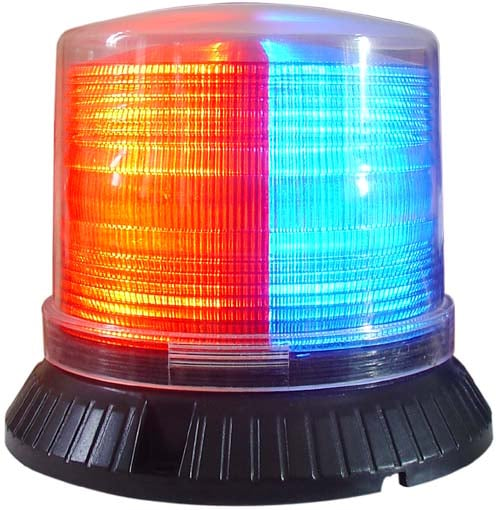
Choosing the Right Blue Light Strobe for Emergency Use

All Categories

Blue light strobe

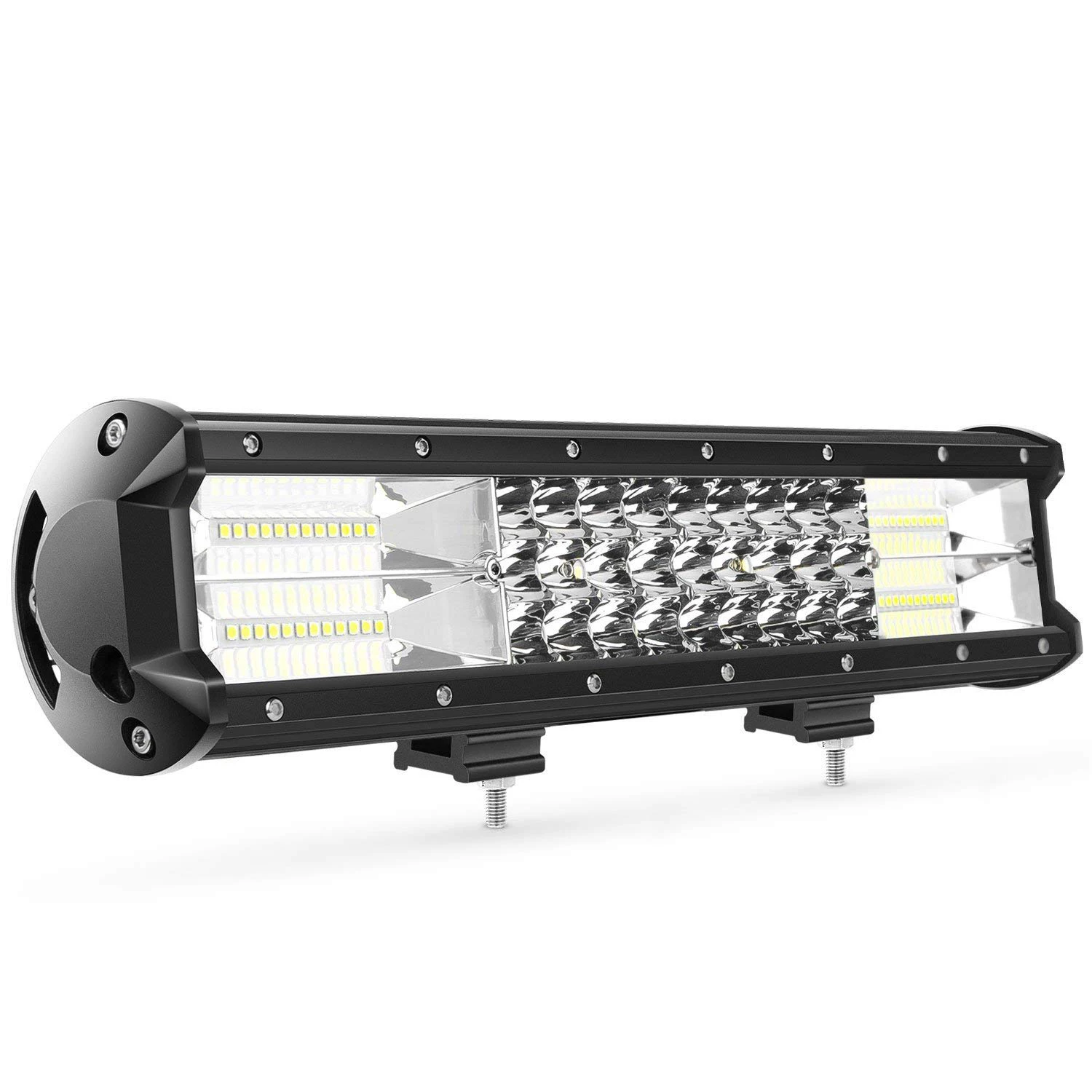
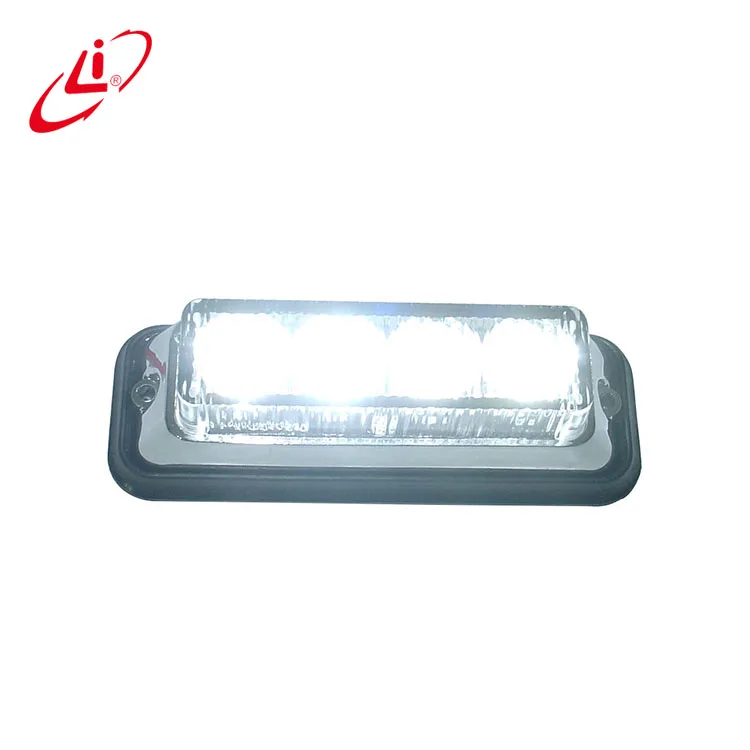
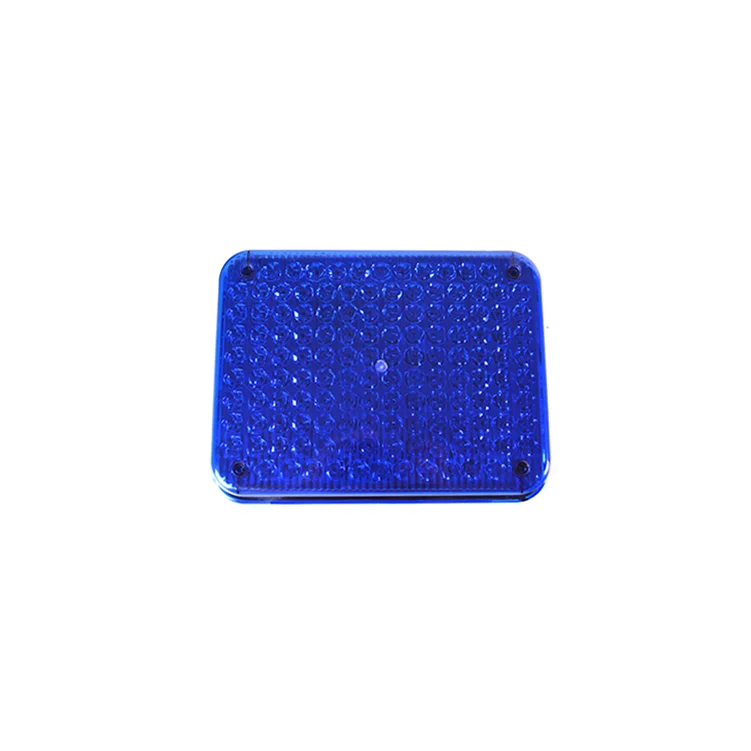
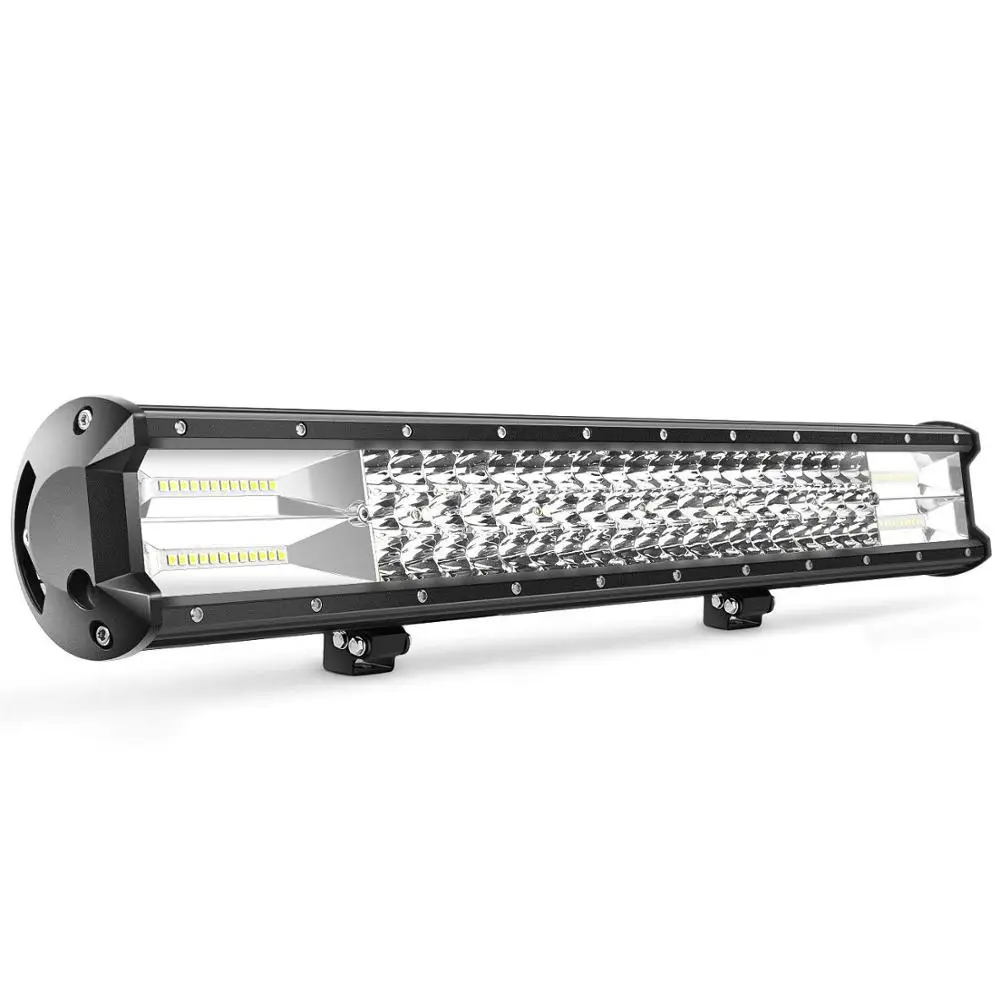
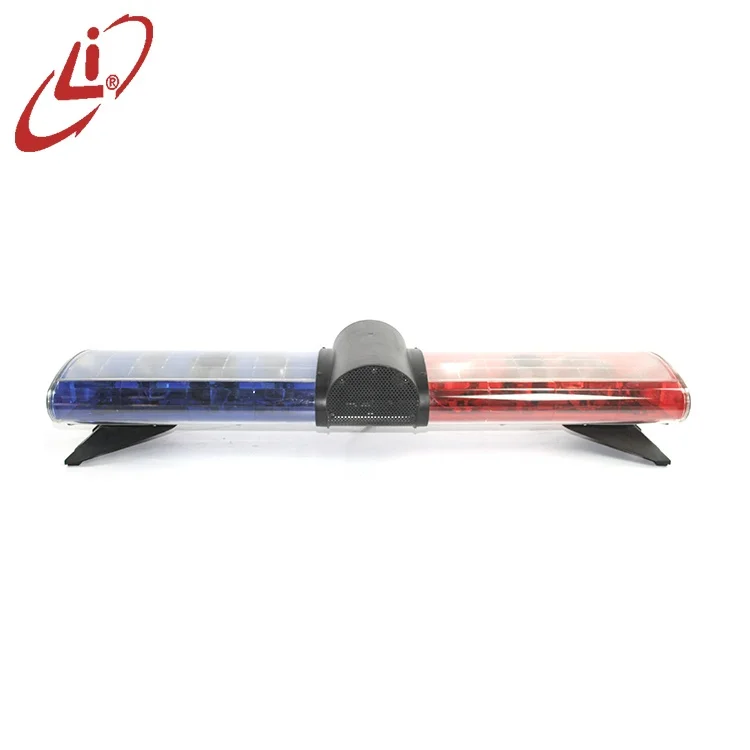
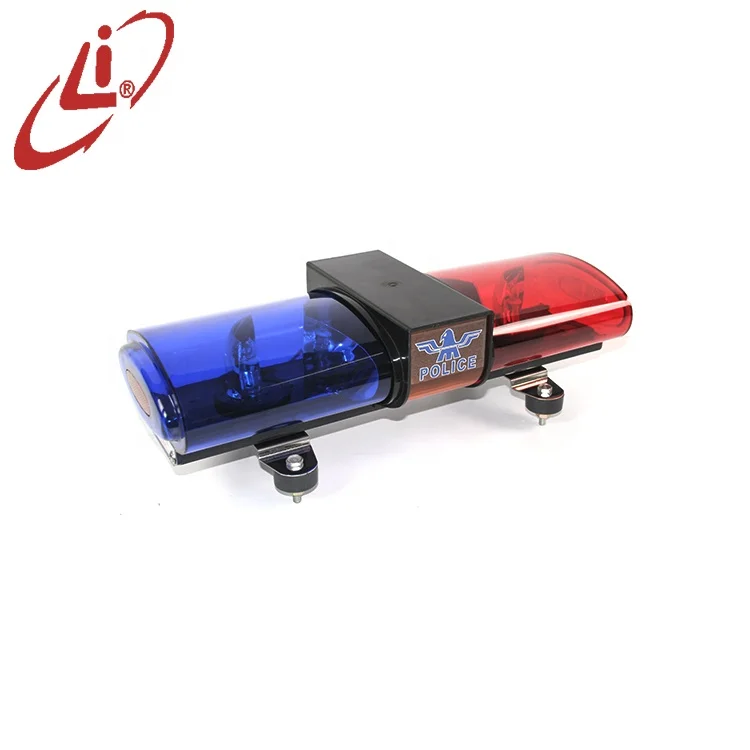
Blue light strobes are essential components of police and emergency service equipment, providing visibility and signaling in critical situations. As a professional manufacturer of emergency equipment since 1987, we understand that B2B buyers, such as purchasing managers and product managers, prioritize reliability, performance, and compliance when selecting these products. This rotary beacon light article will guide you through choosing the right blue light strobe, evaluating specifications, pricing strategies, comparison methods, and troubleshooting common issues.
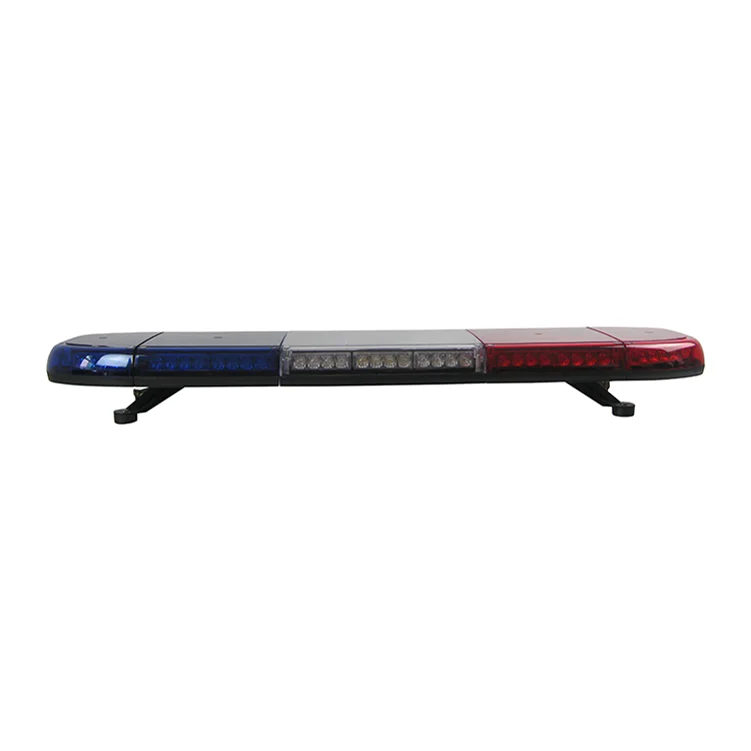
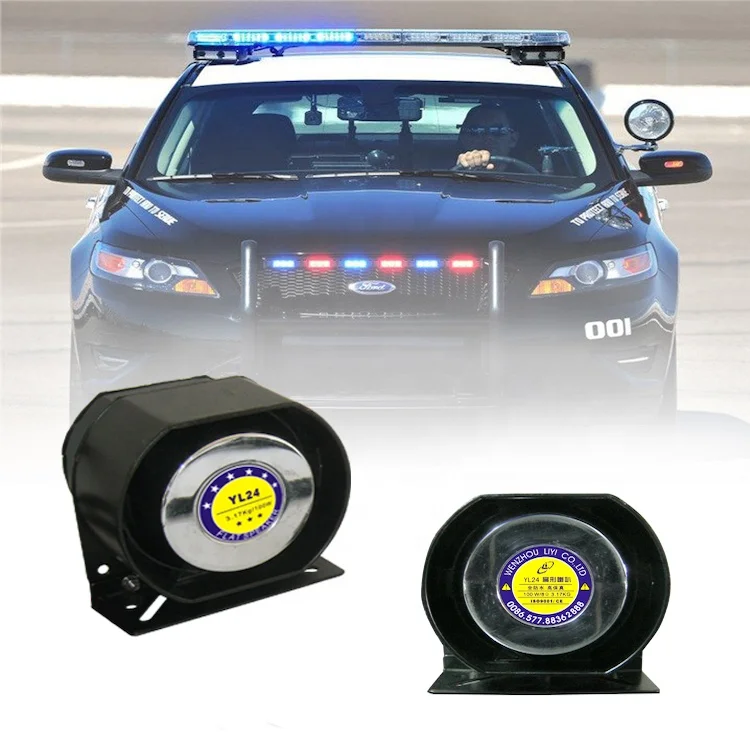
Our Products

When evaluating blue light strobe products

When evaluating blue light strobe products, several specifications are critical for ensuring optimal performance and compliance. 

Light Output: Measured in lumens, rotating dash light this indicates the brightness of the strobe. Ensure it meets your application needs for visibility. 

Flash Patterns: Different flash patterns can convey various messages or urgency levels. Ensure the strobe offers multiple patterns for versatility. 

Durability Ratings: Look for IP (Ingress Protection) ratings, which indicate resistance to dust and water. An IP67 rating, for example, signifies protection against temporary immersion in water, making it suitable for outdoor use. 

Power Source: Consider whether the strobe operates on 12V or 24V systems, and check energy consumption to avoid draining vehicle batteries. 

Mounting Options: Ensure the strobe comes with suitable mounting brackets or options for easy installation on your specific vehicles or equipment. 

Certification: Verify that the product meets local and national safety standards, such as those set by the Ministry of Public Security, to ensure compliance. 

By confirming these specifications before purchasing, you can avoid common pitfalls that may lead to inadequate performance or safety issues in the field. 
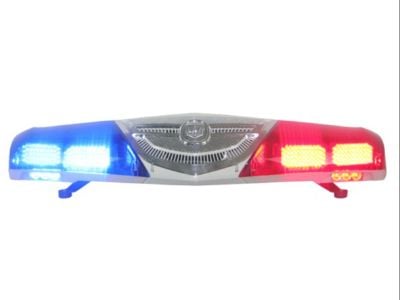
When purchasing blue light strobes in bulk

When purchasing blue light strobes in bulk, understanding pricing strategies can significantly reduce costs. Here are key considerations: 

Minimum Order Quantities (MOQ): Manufacturers often have MOQs that can affect pricing. Knowing your needs allows you to negotiate better terms. 

Volume Discounts: Suppliers typically offer discounts based on order size. Discuss potential price breaks for larger orders, which can substantially lower per-unit costs. 

Shipping Costs: Factor in shipping logistics when calculating total costs. Bulk orders may qualify for reduced shipping rates, so it’s wise to inquire about these options. 

Long-Term Contracts: Establishing a long-term purchasing agreement can lead to more favorable pricing and guaranteed supply, which is especially important for ongoing projects. 

Payment Terms: Discuss payment options and terms. Some suppliers may offer extended payment terms for bulk purchases, improving cash flow management. 

By leveraging these pricing strategies, B2B buyers can maximize their purchasing power and ensure they obtain high-quality blue light strobes within their budget. 

Comparing blue light strobe options

Comparing blue light strobe options involves a systematic approach to ensure that you select the best product for your project. Here’s how to effectively compare different models: 

Create a Comparison Matrix: List potential options alongside key specifications such as brightness, durability, and price. This visual aid can help in making informed decisions. 

Assess Performance Reviews: Look for customer reviews and case studies to gauge real-world performance. Feedback from other users can provide insights into reliability and effectiveness. 

Check Warranty and Support: A robust warranty indicates manufacturer confidence in their product. Also, evaluate the level of customer support offered for troubleshooting or installation issues. 

Evaluate Customization Options: Depending on your specific needs, consider whether the manufacturer offers customization in terms of patterns, sizes, and colors. 

Sample Testing: Whenever possible, request samples for testing. This allows you to verify performance under actual operating conditions before committing to a bulk order. 

By following these steps, buyers can confidently select the right blue light strobe for their specific applications, ensuring reliability and compliance. 

Despite their robust design

Despite their robust design, blue light strobes can experience issues that may hinder performance. Here are some common problems and solutions: 

Insufficient Brightness: If a strobe does not provide adequate visibility, ensure that the light output meets your application needs. Consider upgrading to a model with higher lumens or additional light sources. 

Flash Pattern Malfunctions: Inconsistent or malfunctioning flash patterns may occur due to wiring issues.  Verify that connections are secure and that the power supply is stable. If problems persist, consult the manufacturer for troubleshooting. 

Water Ingress: Strobes may fail due to water damage if not properly sealed. Check the IP rating and ensure that all seals are intact, especially after installation. Regular maintenance checks can help identify potential vulnerabilities. 

Overheating: If a strobe heats up during operation, ensure it is mounted correctly to allow for adequate airflow. Additionally, verify that it is rated for the intended use to prevent overheating. 

Color Fading: Over time, the color of the lens may fade due to UV exposure. Choose products with UV-resistant materials to maintain visibility and compliance over time. 

By proactively addressing these common issues, buyers can enhance the longevity and effectiveness of their blue light strobe systems, ensuring reliable performance when needed most. 

Selecting the appropriate blue light strobe

Selecting the appropriate blue light strobe involves understanding the specific requirements of your application. Consider the intended use—whether for police vehicles, emergency response units, or public safety applications. Key factors include brightness, visibility range, and mounting options. 

Brightness is typically measured in lumens; higher lumens provide better visibility in various environments. For instance, a strobe with 1,000 lumens may be suitable for urban settings, while a more powerful 2,000-lumen model is ideal for rural areas or larger vehicles. 

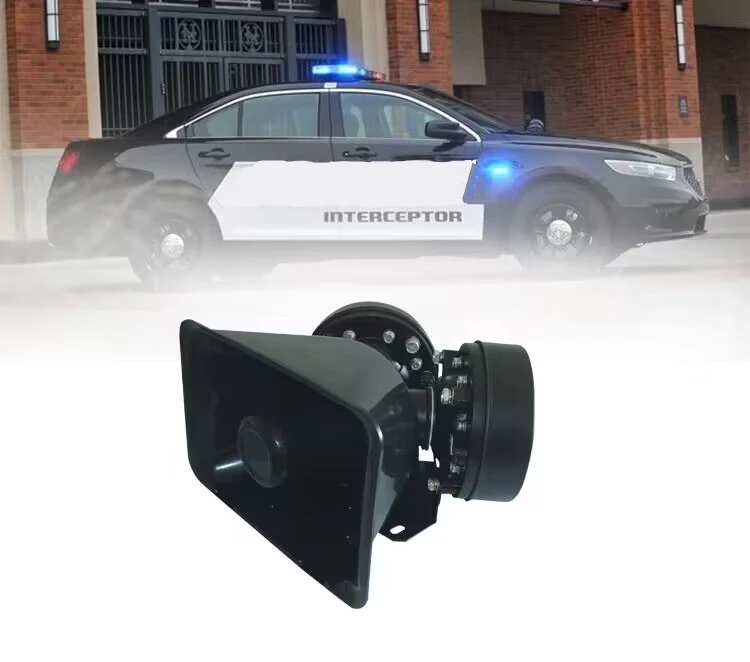
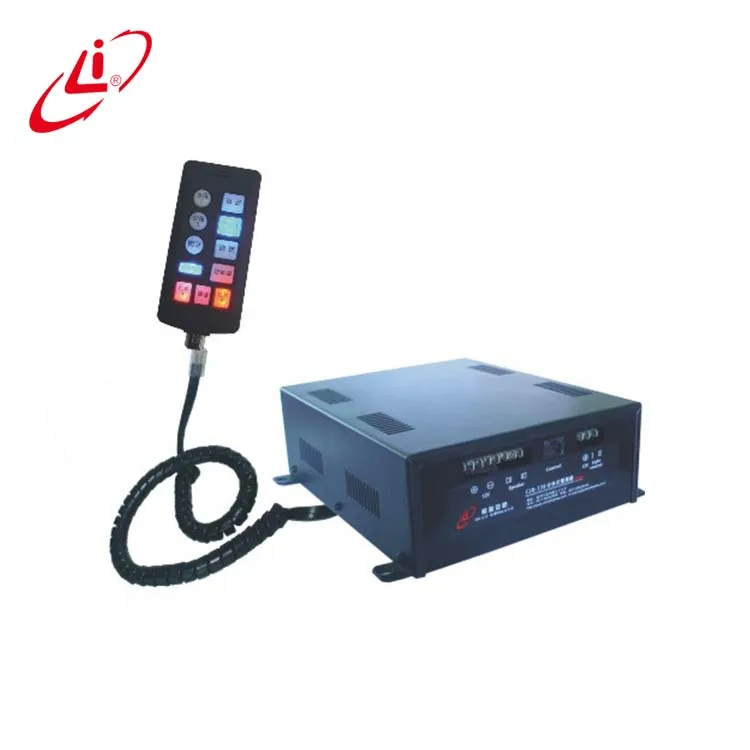
Furthermore, revolving light for vehicles consider the color temperature of the strobe. Blue light is often used to convey urgency, but understanding local regulations regarding light color and patterns is crucial. Lastly, ensure compatibility with existing equipment, such as sirens and control systems, to avoid installation issues. 

Why choose Liyi Blue light strobe

Comprehensive Customization and OEM Capability

We offer full customization for emergency lighting and audio systems, including flash patterns, siren tones, LED specifications, and lens colors, along with complete packaging design services to meet your unique product and branding requirements.

Industry Authority with Long-Standing Reputation

As a founding member of the China Security Association and a Ministry of State Security network member, we have 30+ years of industry leadership, consistently recognized as a "Key Enterprise of Wenzhou" and awarded the "Contract Fulfillment Award" for 10 consecutive years.

Rigorous Quality Assurance and Certified Products

All our products undergo strict testing and certification by the Ministry of Public Security, ensuring high reliability and compliance for warning light bars, sirens, and security equipment used in demanding applications.

Full-Service Support from Design to After-Sales

We provide end-to-end services—from R&D and sampling to quality control, timely delivery, and responsive after-sales support—ensuring a smooth, reliable partnership and complete customer satisfaction throughout the product lifecycle.

Our Blog Posts

What to Know About Emergency Light Bar Mounting Standards

16

May

What to Know About Emergency Light Bar Mounting Standards

Introduction: The Importance of Secure Mounting Emergency light bars are crucial for the safety of many vehicles, including police cars, ambulances, and fire trucks. However, properly mounting these light bars isn’t just about aesthetics; it is...
View More
The Key Factors That Shape the Reliability of LED Flashing Beacons

16

May

The Key Factors That Shape the Reliability of LED Flashing Beacons

Introduction: The Importance of Reliable LED Flashing Beacons LED flashing beacons are essential safety tools used on roads, construction sites, and emergency vehicles. They attract attention rapidly with bright flashing lights, ensuring people notic...
View More
The Engineering Behind Rotating Beacon Light Synchronization

16

May

The Engineering Behind Rotating Beacon Light Synchronization

Introduction: The Role of Synchronization in Rotating Beacon Lights Rotating beacon lights are essential safety tools found in factories, construction sites, and on emergency vehicles. They warn people of potential dangers effectively. However, when ...
View More
How Waterproof Ratings Affect Outdoor Emergency Strobe Lights

18

May

How Waterproof Ratings Affect Outdoor Emergency Strobe Lights

Introduction: Why the Right Tools Matter Outdoors When you are operating in the field, having the right tools can change everything. One essential piece of equipment is a reliable emergency strobe light. These lights are critical for calling for...
View More

Get a Free Quote

Our representative will contact you soon.
Email
Name
Mobile
Company Name
Message
0/1000

Get a Free Quote

Our representative will contact you soon.
Email
Name
Mobile
Company Name
Message
0/1000