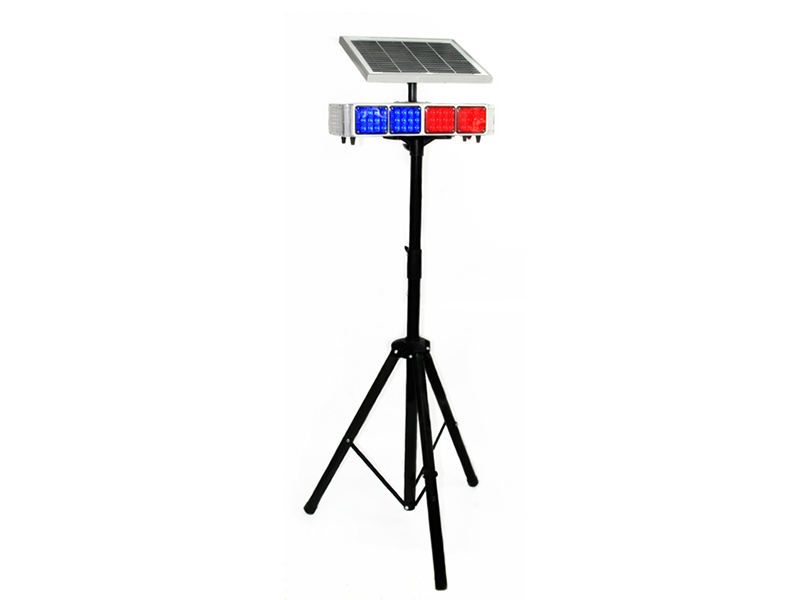
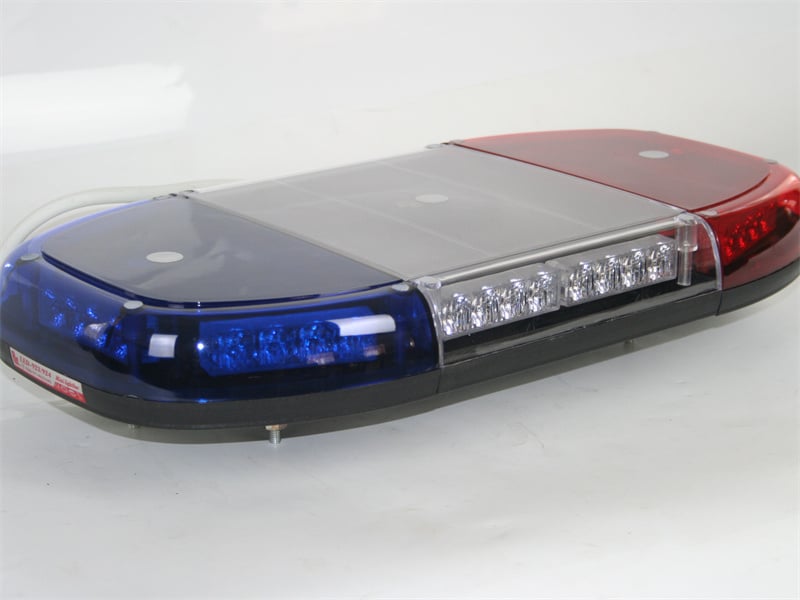
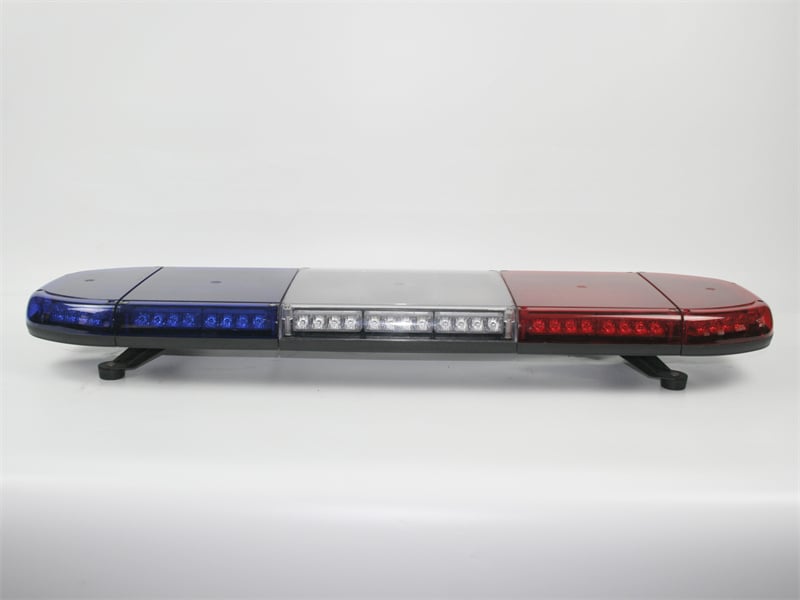
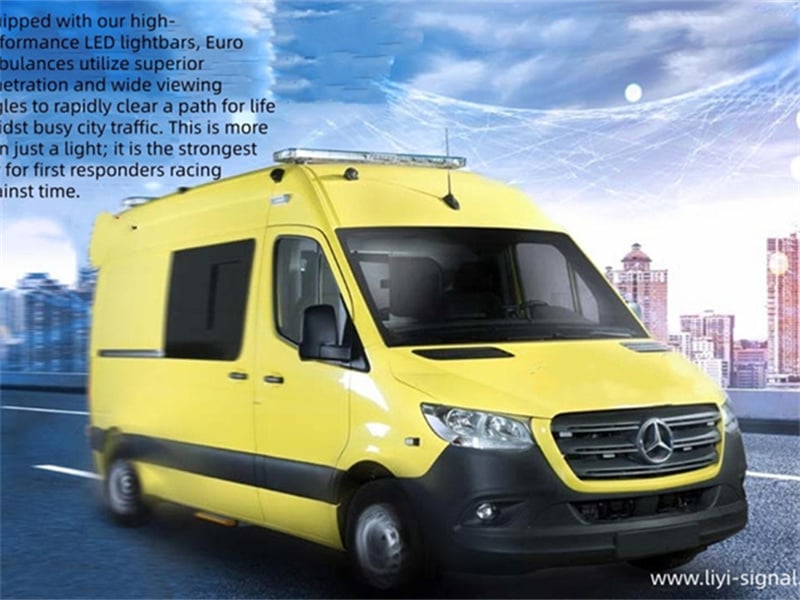
The certification involves rigorous testing across four critical areas: 1. Optical Performance: Ensures 360°horizontal visibility with no blind spots, specified light intensity, and standardized flash patterns (e.g., 2-4Hz) for clear recognition in all weather conditions. 2. Environmental Durability: Tests operation in extreme temperatures (typically -40°C to +50°C), resistance to UV radiation, humidity, and aging to ensure long-term outdoor reliability. 3. Structural & Mechanical Safety: Verifies protection ratings (e.g., waterproofing), impact resistance, and secure mounting methods to prevent failure during high-speed travel or on rough terrain. 4. Electromagnetic Compatibility (EMC): Often paired with ECE R10 certification, this ensures the warning light does not interfere with the vehicle's critical electronic systems (e.g., brakes, navigation).

 EN
EN