
 EN
EN
Why Choose a Small Warning Light Factory? Focus & Flexibility | LIYI
We aren’t a massive conglomerate. LIYI is a focused, agile factory where quality is personal. Discover the advantages of partnering with a dedicated SME.
2026-09-02We aren’t a massive conglomerate. LIYI is a focused, agile factory where quality is personal. Discover the advantages of partnering with a dedicated SME.
2026-09-02
2026 LED Warning Light Mistakes Part 2: The Hazard of Fake Certificates For any LED warning light operating on public roads, compliance with standards like ECE R65 is not optional—it is the law. However, the market is currently floode...
2026-07-11
ECE R10 vs R65: The Technical Guide to LED Warning Lights for European Markets Navigating the European regulatory landscape requires more than just a passing knowledge of acronyms. For distributors and fleet managers, understanding the technical dist...
2026-07-17
In the world of emergency vehicles, EURO Gaza Emergencias stands as a beacon of quality. With 30 years of history and certifications like ISO 9001, EN 1789, and Mercedes-Benz Van Partner, Euro doesn't just build ambulanc...
2026-06-15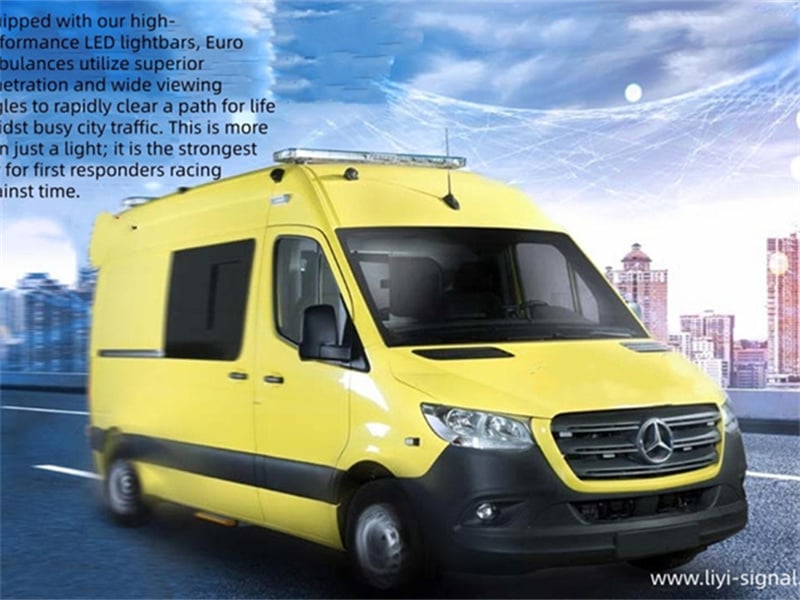
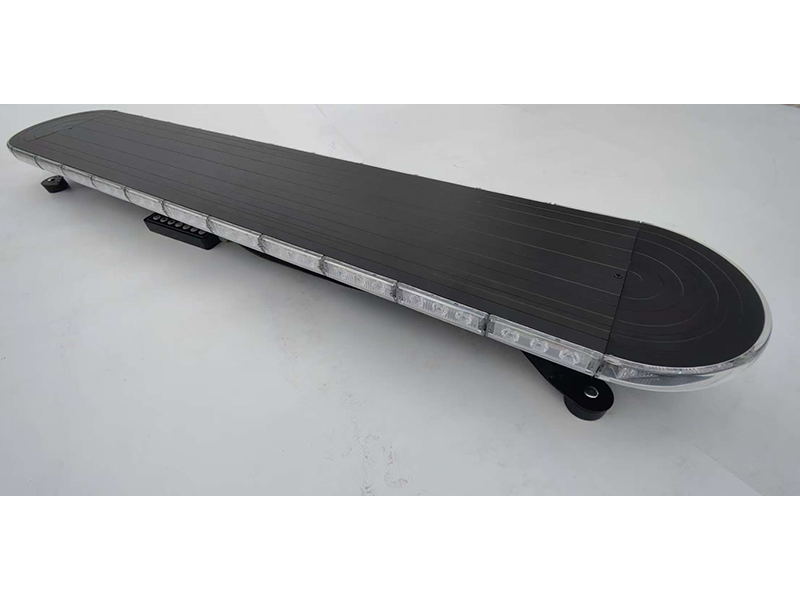
Four R65-certified light bar series, four different jobs. This guide compares the 39000, 61000, 62000, and 63000 series by duty cycle, mounting, voltage, and audible warning requirements.
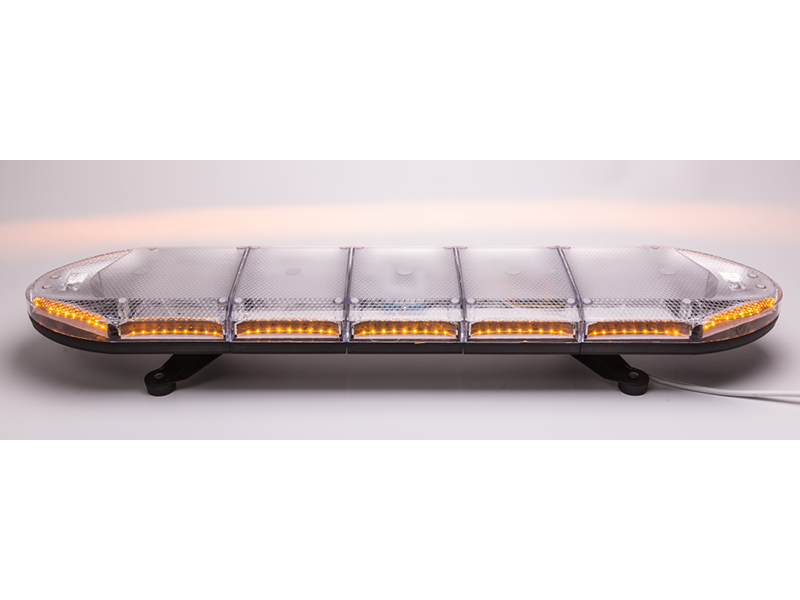
A certificate is only the visible part of an approval. A COP document audit verifies the system behind it. This guide lists the documents an approval holder must produce and what buyers should request.
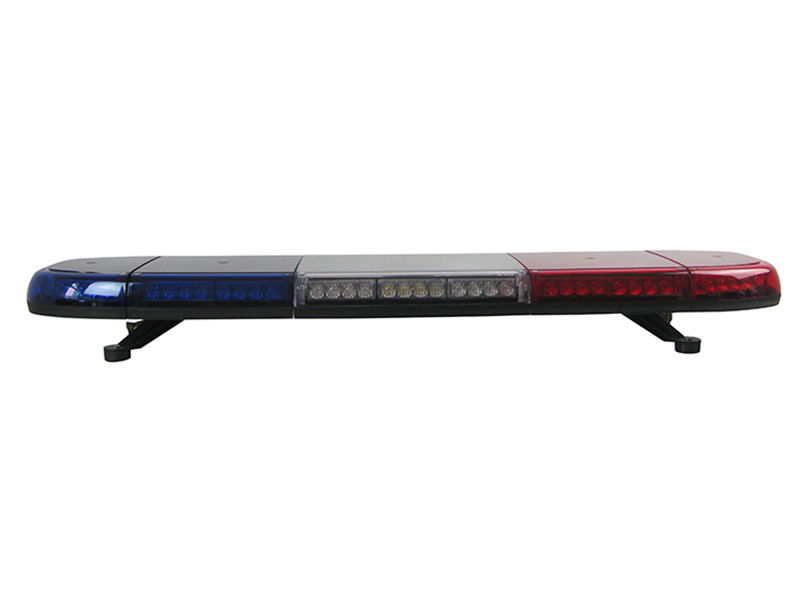
ECE R65 is the mandatory approval for warning lamps sold in Europe and other ECE markets. This guide explains what R65 tests, what Class 1 and Class 2 mean, and why annual production checks matter.
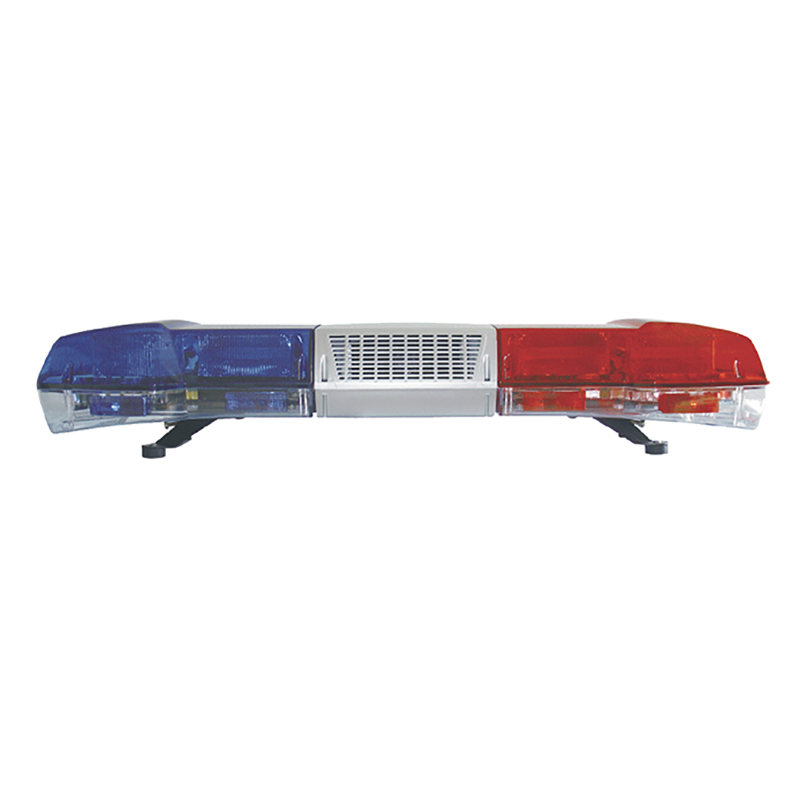
The choice between a full-size light bar and a low-profile unit is usually framed as a trade-off. This six-step framework replaces the trade-off with a decision based on duty cycle, coverage requirements, and compliance.
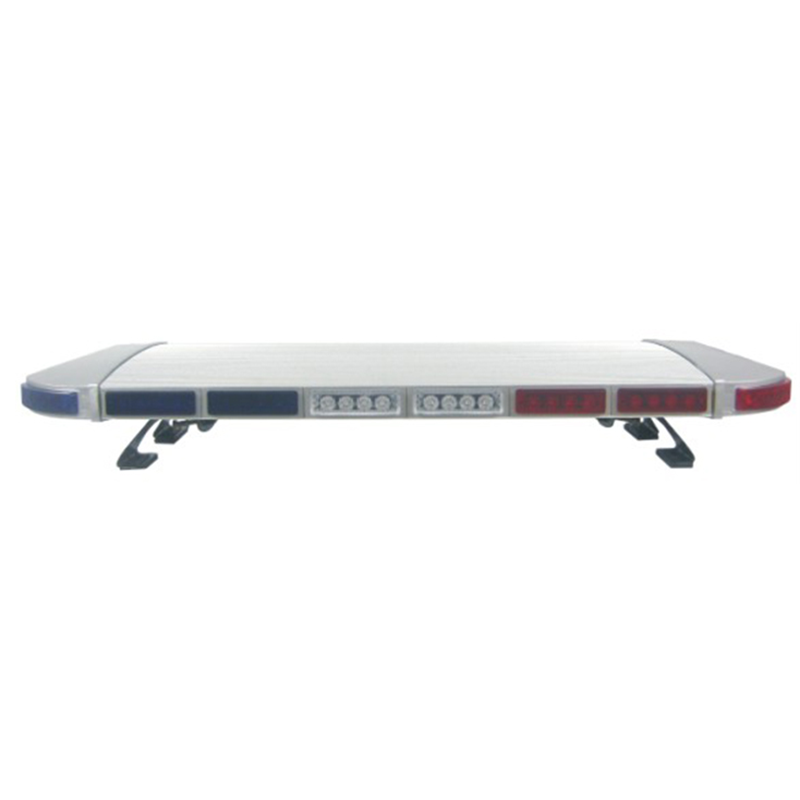
The housing of an LED warning light is not just a shell — it is the heat path, the structure, and the environmental barrier. This guide explains how material choice affects output stability and service life.
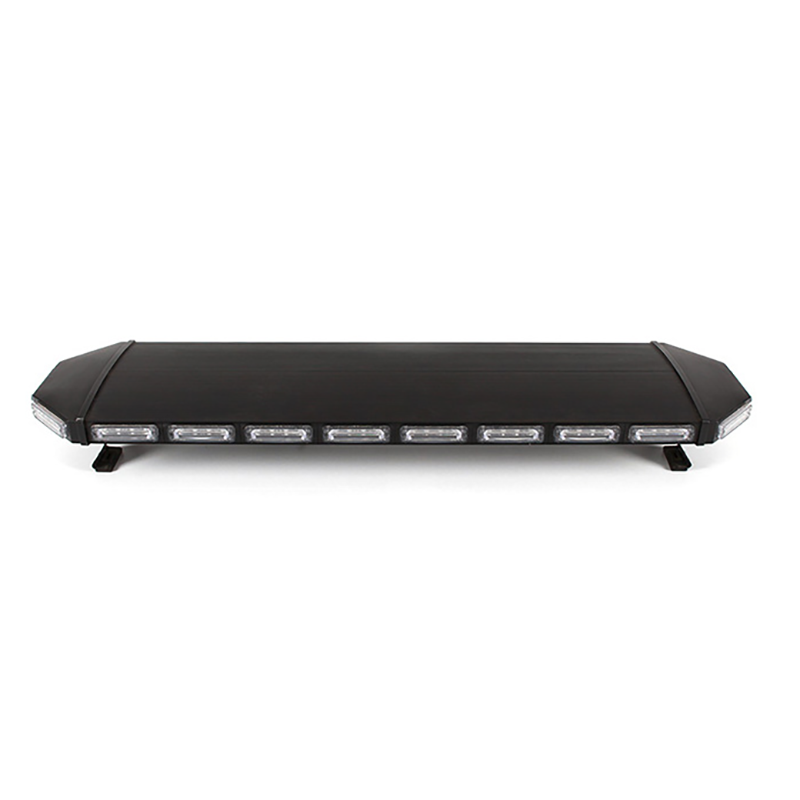
Tall warning light bars add drag and wind noise on high-speed emergency vehicles. This guide explains how profile height affects stability, cabin noise, and driver fatigue — and what to evaluate before you specify.
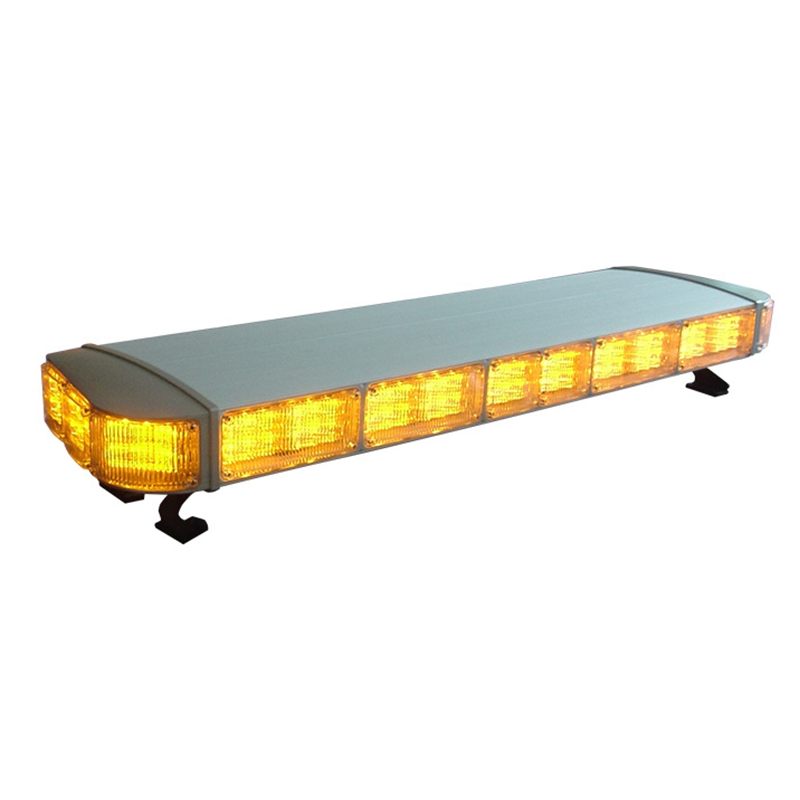
Switching warning light suppliers looks like a cost-saving move. Hidden costs include re-certification, re-qualification, compliance risk, and downtime. Here is what actually happens and how to evaluate whether switching is worth it.
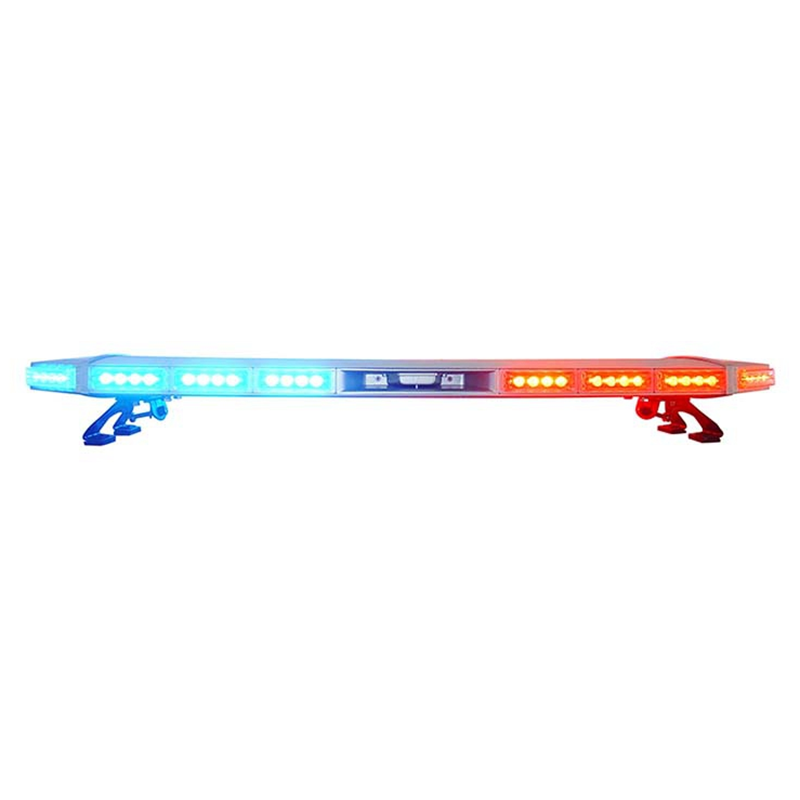
A practical 12-question checklist for evaluating emergency vehicle warning light suppliers — covering approvals, production control, change management, and continuity.
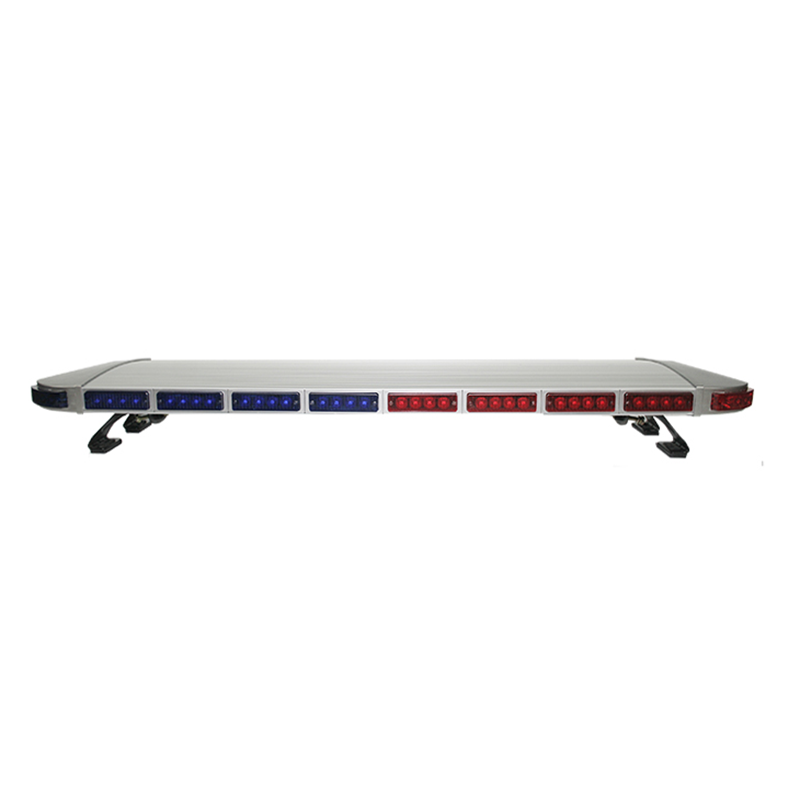
Three OEM relationships spanning more than three decades taught us what buyers actually need from a warning light supplier: market-specific engineering, verifiable documentation, change control, and continuity.
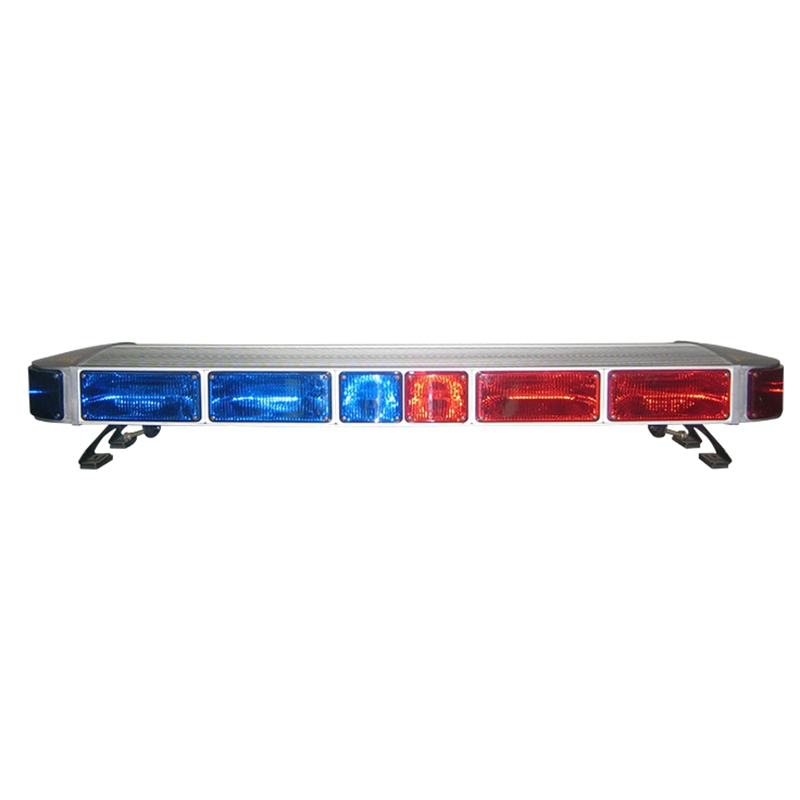
Copied and altered E-mark approval codes circulate in the warning light market. This guide gives buyers seven verification steps to confirm a certificate is genuine, current, and actually covers the model being purchased.
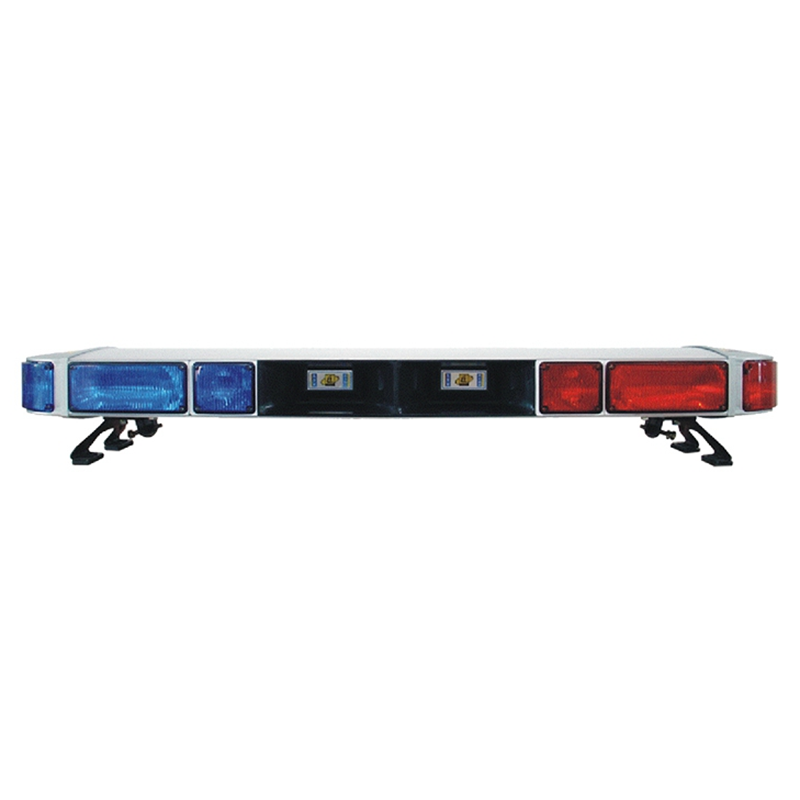
A type approval certificate certifies a sample, not the units in your container. COP on-site audits verify that mass production still matches the approved type. Here is what auditors examine and how buyers verify it.
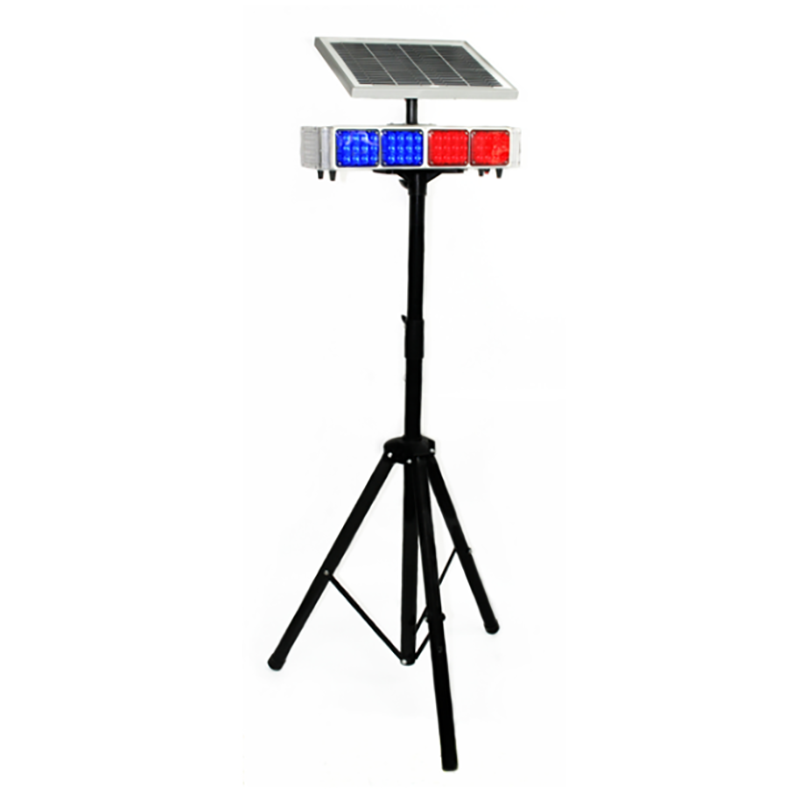
Premium vehicle fitment is not just a bolt pattern. This guide explains the five engineering dimensions OEM programmes actually evaluate — packaging, aerodynamics, electrical integration, materials, and documentation.