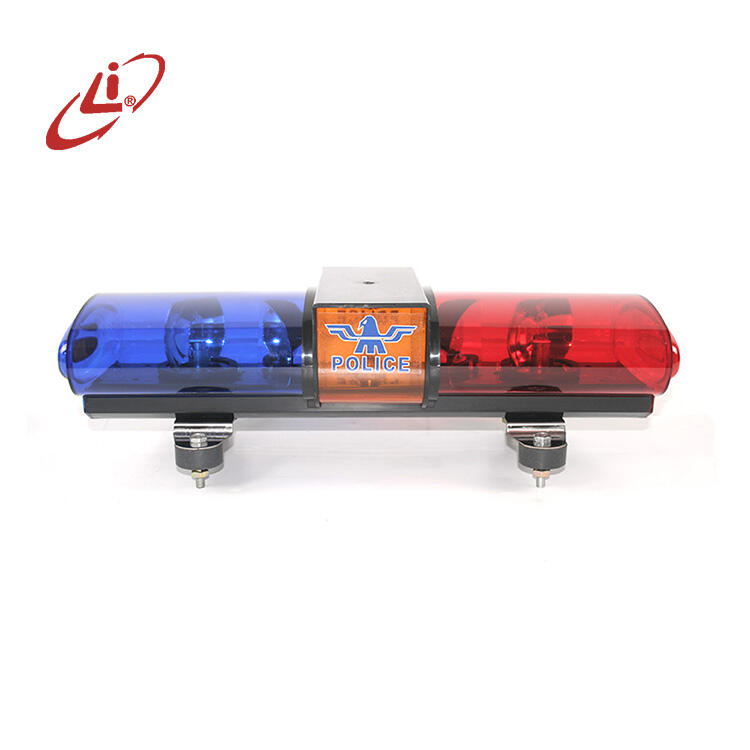
Introduction: The Role of Synchronization in Rotating Beacon Lights
Rotating beacon lights are essential safety tools found in factories, construction sites, and on emergency vehicles. They warn people of potential dangers effectively. However, when using multiple lights together, synchronization is key. This means the lights flash and rotate in unison. The technology behind this synchronization is both interesting and complex, playing a vital role in modern safety systems.
How Does Rotating Beacon Light Synchronization Improve Safety in Industrial Applications?
When beacon lights are synchronized, they provide a strong, unified visual signal. This is highly beneficial in industrial environments where heavy machinery and workers operate in close proximity. Imagine a construction site with heavy equipment moving everywhere. If workers see multiple lights flashing and rotating in perfect harmony, they can instantly recognize the danger zone. For example, if a crane is moving with synchronized lights, people can quickly understand they need to keep their distance. This unified signal ensures everyone is aware of the situation, significantly lowering the chance of accidents and crashes.
Common Usage Issues with Rotating Beacon Light Synchronization
Even though synchronized rotating beacon lights are helpful, some challenges can arise:
-
Compatibility Issues: A common problem is that not all lights are compatible. If a company purchases lights from different brands, they might not sync well, causing some to flash at different times. This visual chaos can confuse workers rather than help them. At Liyi, we manufacture lights designed to work seamlessly with each other to eliminate this compatibility problem.
-
Power Supply Issues: If lights do not receive enough power, they may not rotate or flash correctly, and some might stop working entirely. Regular maintenance checks are important to ensure the power supply is stable, though many companies sometimes overlook this.
How to Choose the Right Rotating Beacon Light for Your Synchronization Needs
When choosing a rotating beacon light, consider the following factors:
-
Application Environment: Think about where you will use the light. For a busy road, a very bright light visible from a distance is best. For other rotating red beacon lights in less critical areas, lower brightness might suffice. Liyi offers a range of lights to suit different locations.
-
Quantity and Sync Capability: If you plan to use several lights together, they must sync perfectly. Liyi lights are designed to work smoothly together, so you don't have to worry about them being out of sync.
-
Power Source: Consider whether you need battery-operated or plug-in lights. For portable applications, battery-powered units are the best choice.
How Can Wholesale Buyers Benefit from Advanced Rotating Beacon Technology?
Wholesale buyers gain significant advantages from advanced beacon technology:
-
Cost Savings: Buying in bulk allows for significant savings. Liyi offers special pricing for wholesalers, allowing businesses to stock high-quality lights without overspending.
-
Access to New Tech: Liyi's newer lights feature improved brightness, longer battery life, and greater durability. Selling the best products helps wholesalers stand out in the market and attract more customers.
Key Features of High-Quality Rotating Beacon Light Synchronization Systems
A high-quality synchronization system for rotating emergency lights has several key features:
-
Seamless Synchronization: The system must easily sync multiple lights. When one changes, the others should follow instantly. Liyi's system allows for smooth, unified operation, which is crucial for safety in emergencies or road work.
-
Durability: Good lights must last long even in tough weather. They need to handle rain, snow, and wind without breaking. Liyi uses strong materials to ensure our lights work when needed most.

 EN
EN