EN
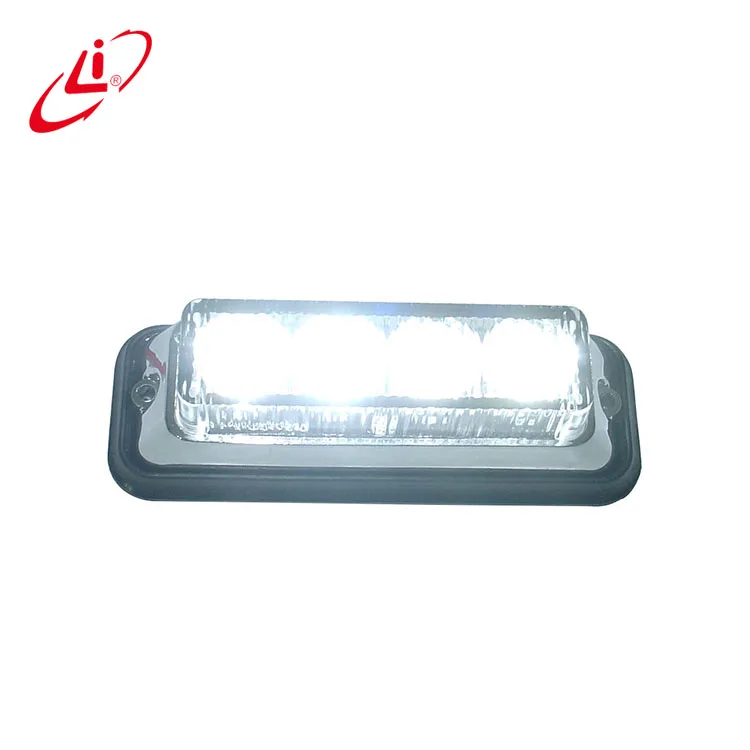
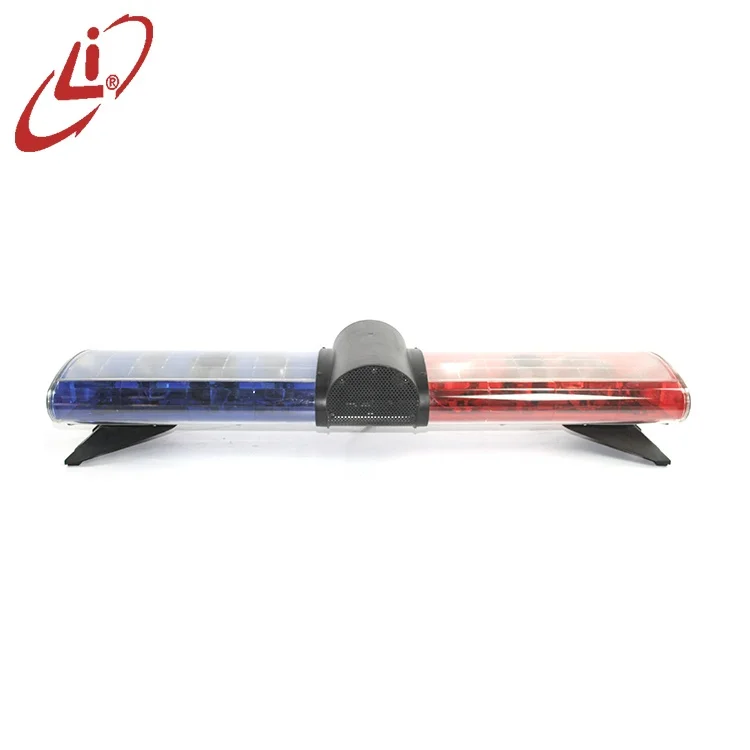
Car strobes are critical components in emergency response vehicles, designed to enhance visibility and alert other drivers. When selecting car strobes, B2B buyers often focus on aspects such as quality, application suitability, and cost-effectiveness. This article will provide valuable insights into key features, cost factors, common issues, and technological advancements in car strobe manufacturing to assist you in making informed purchasing decisions.
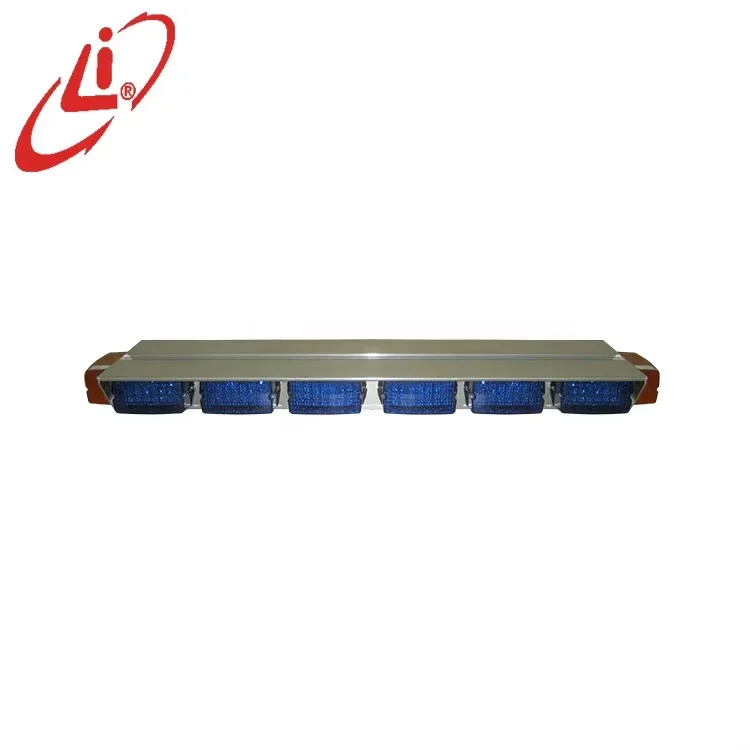
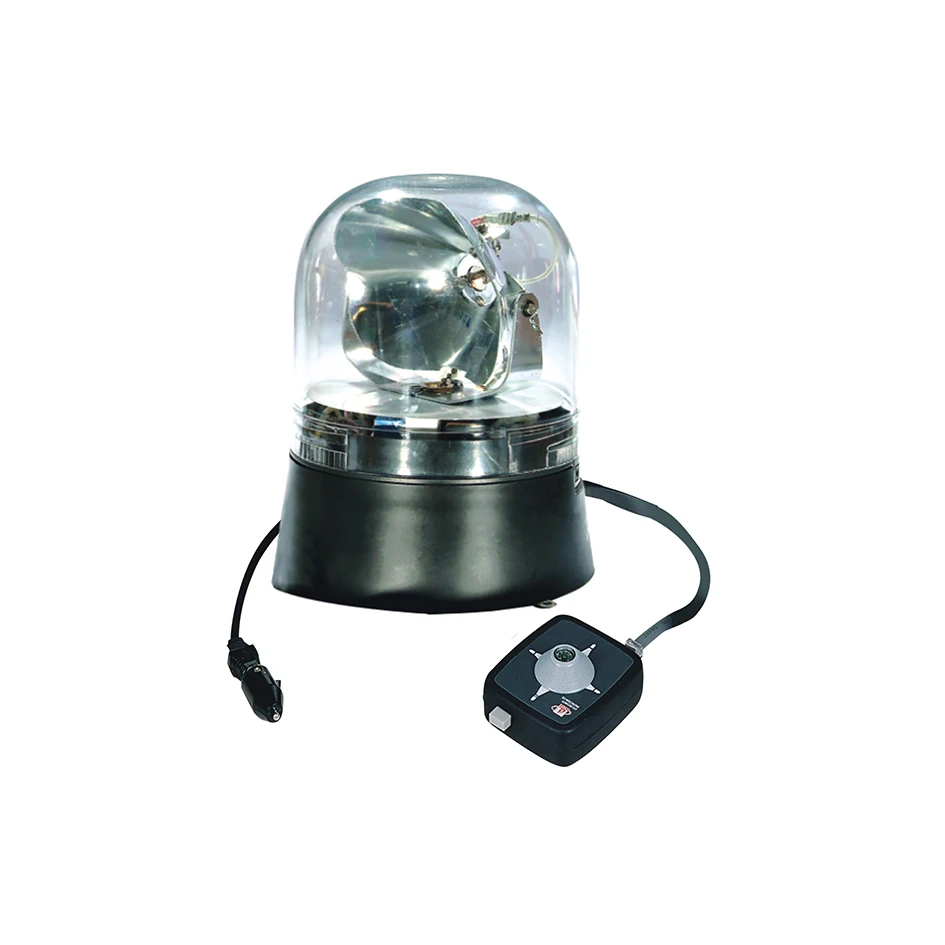
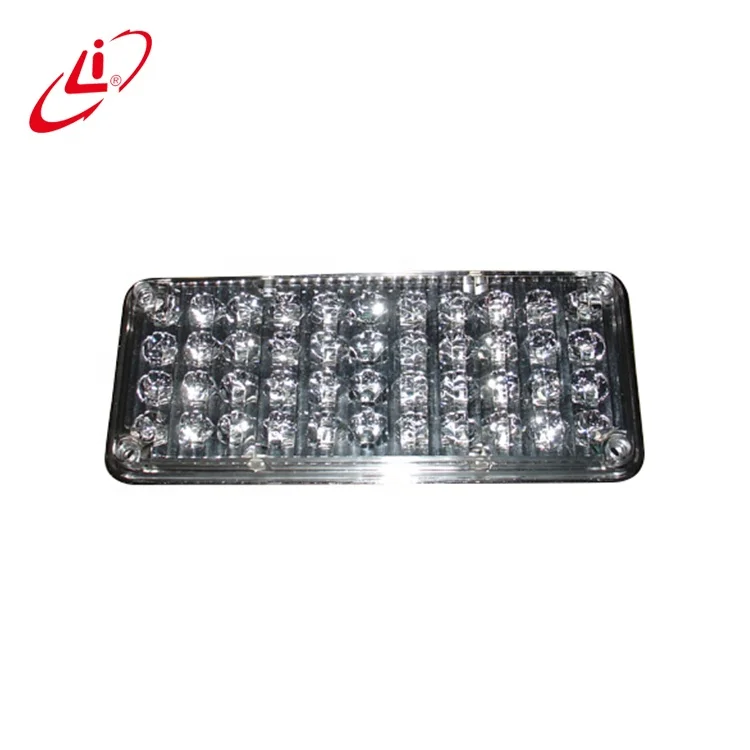
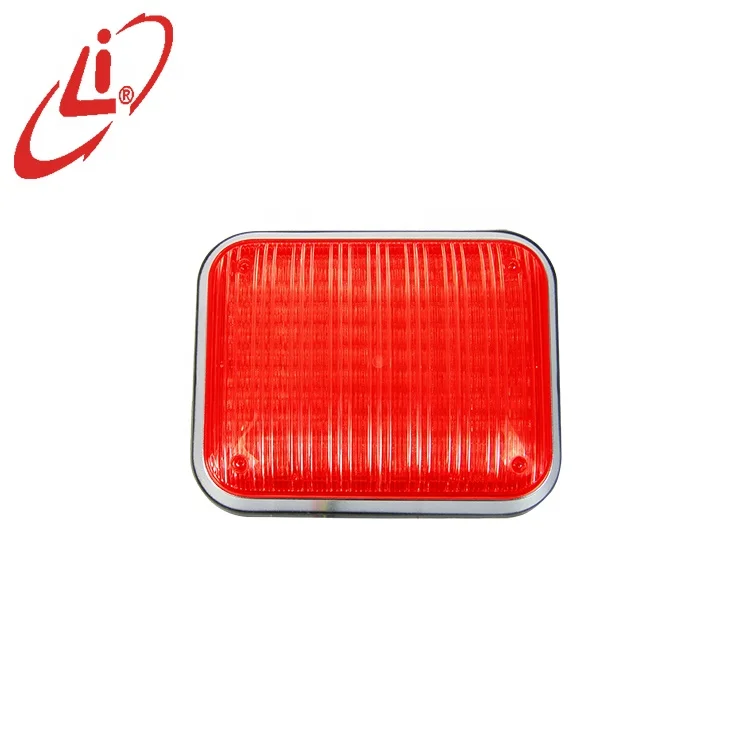
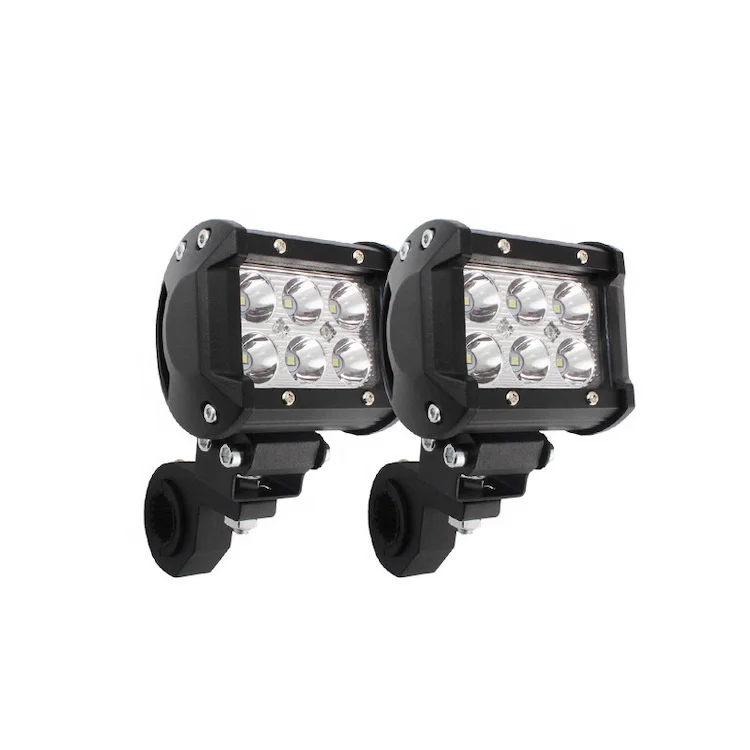
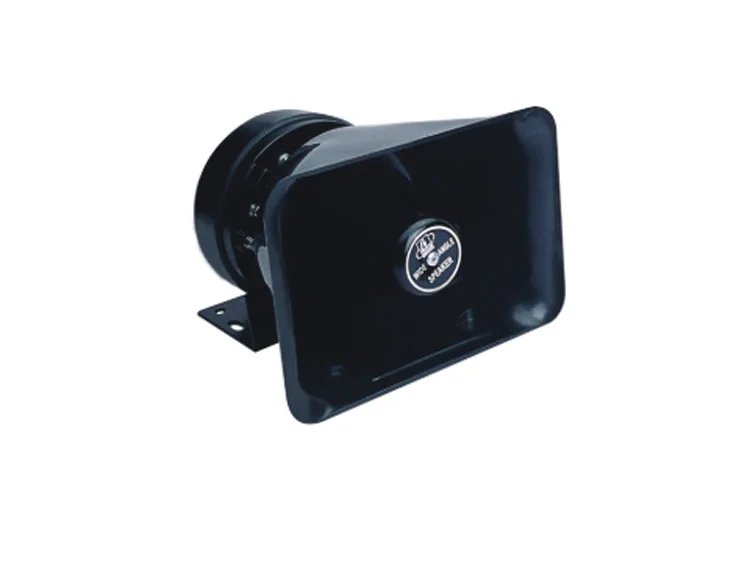
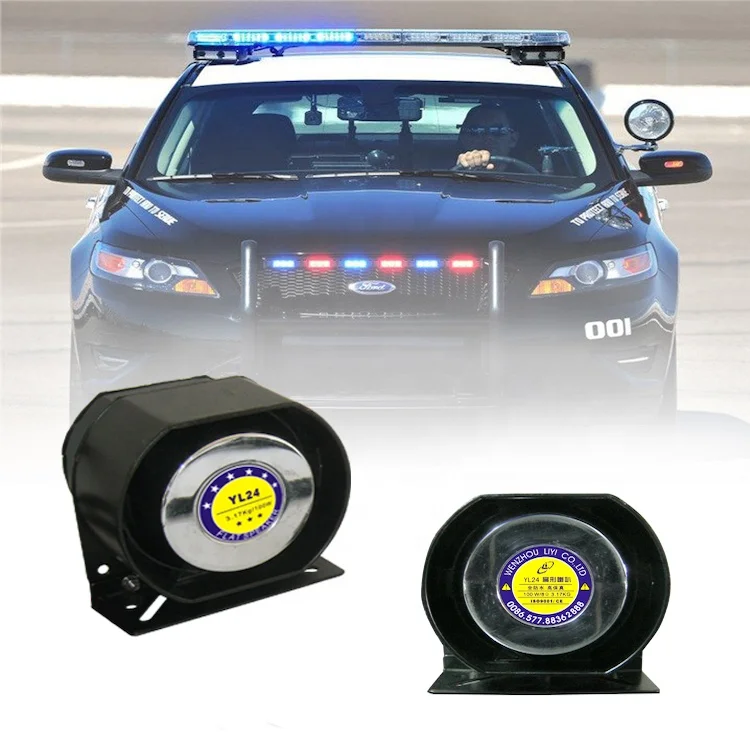
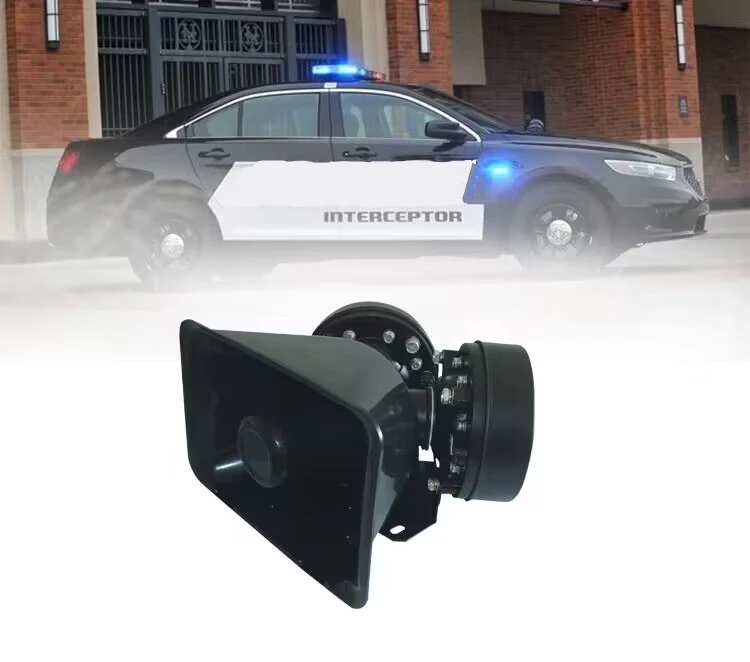
Understanding the Cost Factors of High-Quality Car Strobes
Cost is a pivotal consideration when purchasing car strobes, particularly for bulk orders. Several factors influence pricing:
Material Quality: Higher-quality materials, such as impact-resistant plastics and durable metals, may increase initial costs but can enhance longevity and reduce replacement frequency.
Technology Used: Advanced technology, like LED lighting, typically comes at a premium compared to traditional incandescent bulbs. However, the longevity and lower energy consumption can justify the initial investment.
Production Scale: Bulk purchasing often allows for economies of scale, potentially reducing the car strobes unit price. Be prepared to discuss minimum order quantities (MOQ) with suppliers to maximize cost efficiency.
Customization Requirements: Custom specifications, whether in terms of color or functionality, can add to the overall cost. Buyers should weigh the necessity of these custom features against their budgets.
Shipping and Handling: Consider additional costs related to shipping, especially for international orders. Factors such as destination, volume, and packaging can significantly affect total expenditure.
Understanding these cost factors helps buyers prepare budgets and negotiate effectively with suppliers, ensuring they receive high-quality products that meet their operational needs.