EN
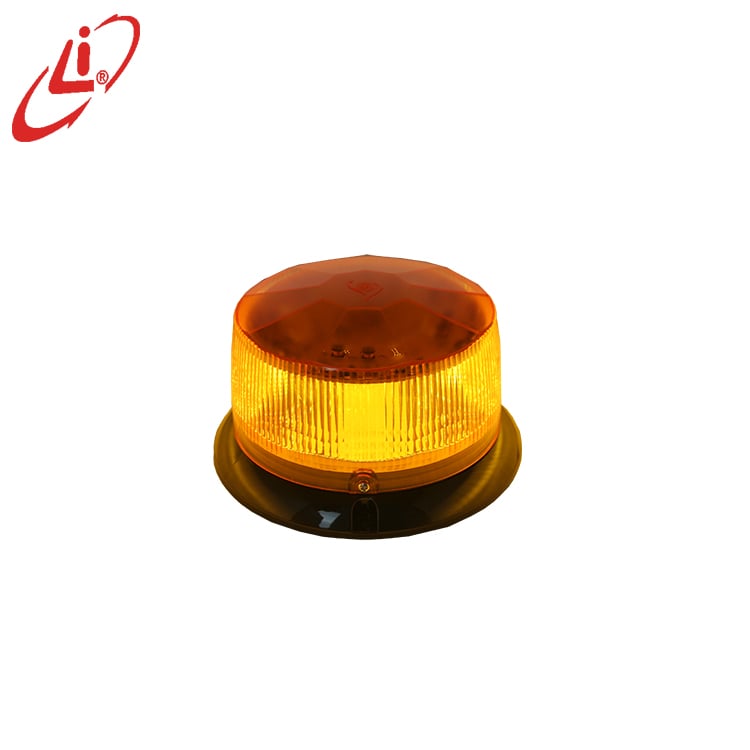
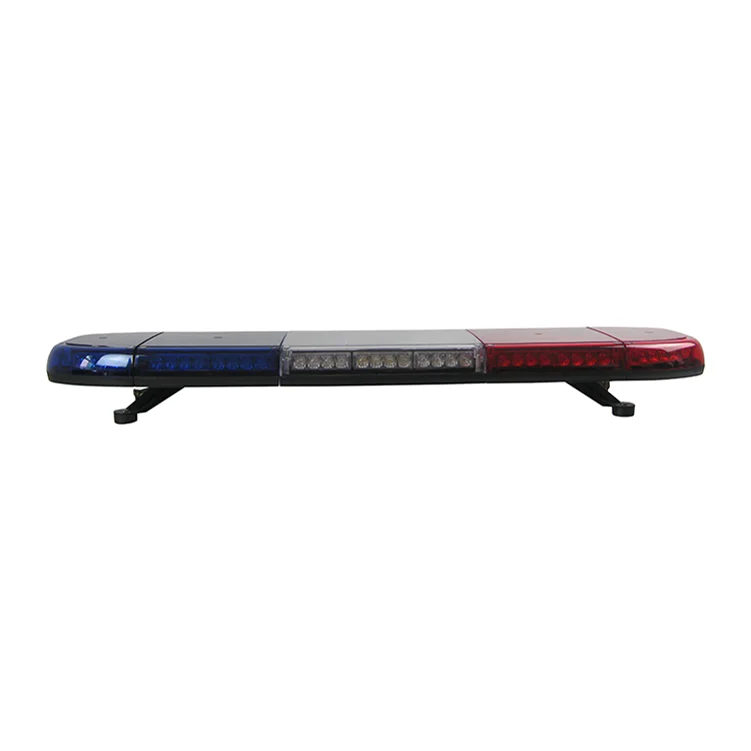
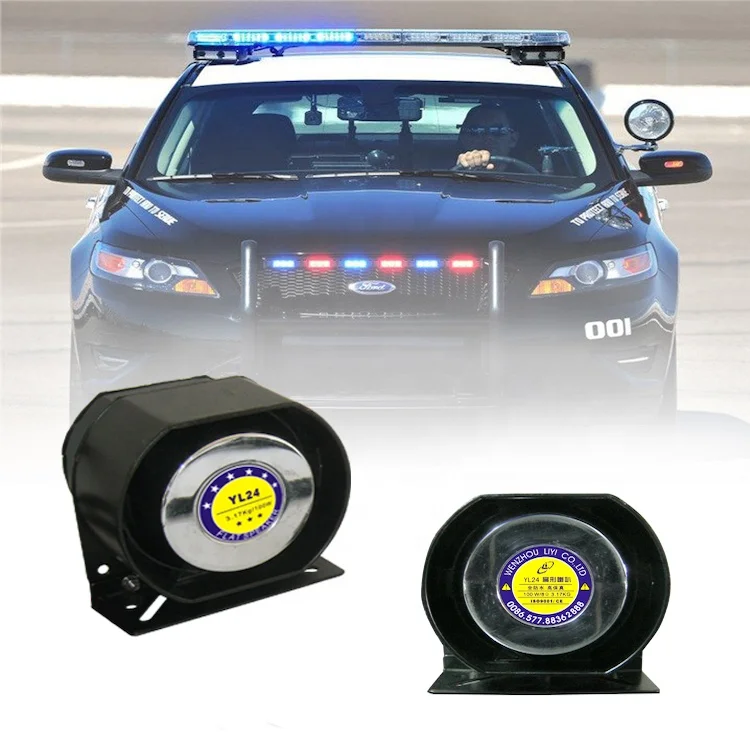
Strobe car lights play a crucial role in police and emergency service vehicles, providing visibility and alerting civilians during critical situations. When selecting strobe car lights, B2B buyers—such as purchasing managers and distributors—often focus on performance, durability, and compliance with safety regulations. This article aims to help you understand the key factors to consider when choosing rotating strobe light and provide actionable insights for making informed purchasing decisions. Strobe car lights, emergency service vehicles, light output and visibility, durability and weather resistance
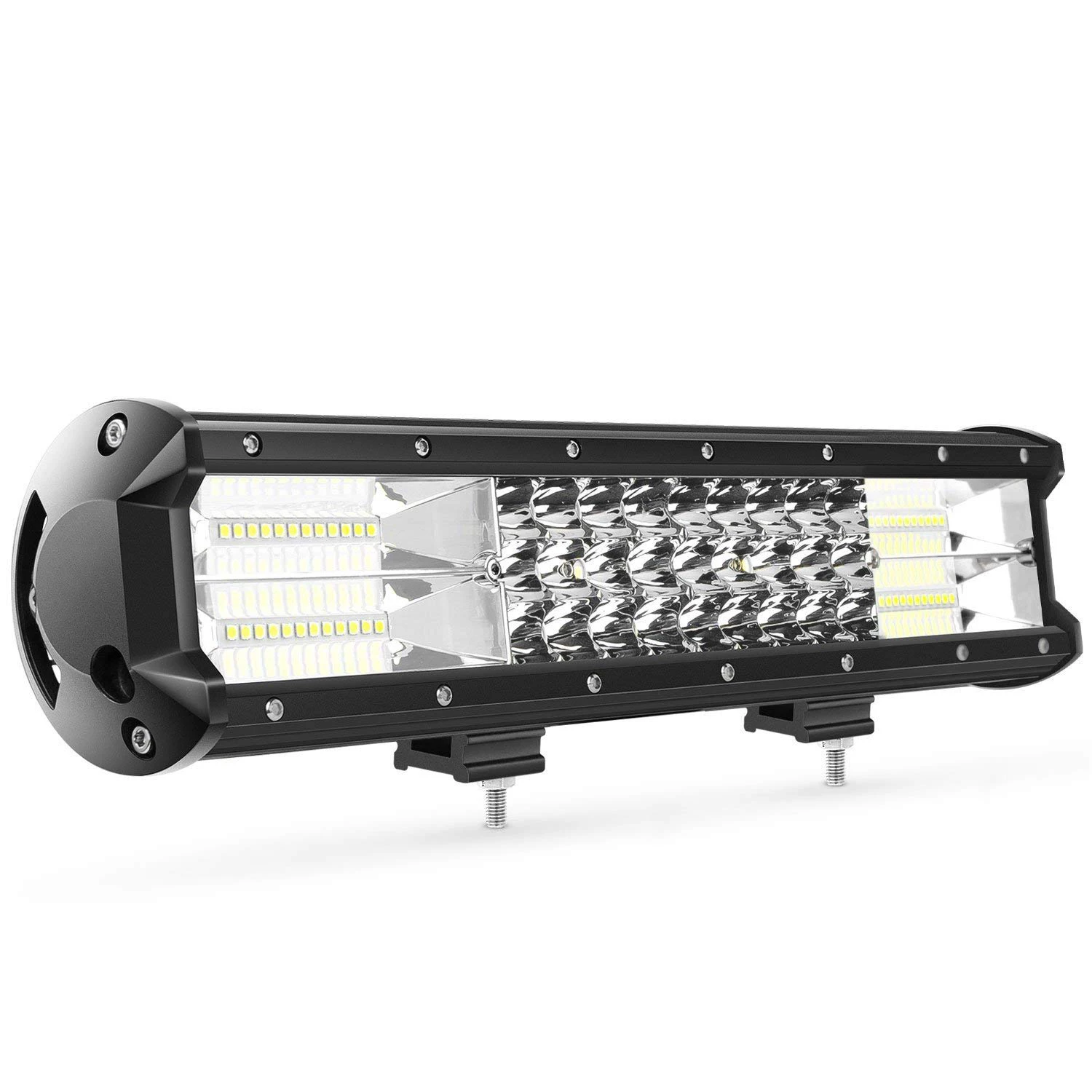
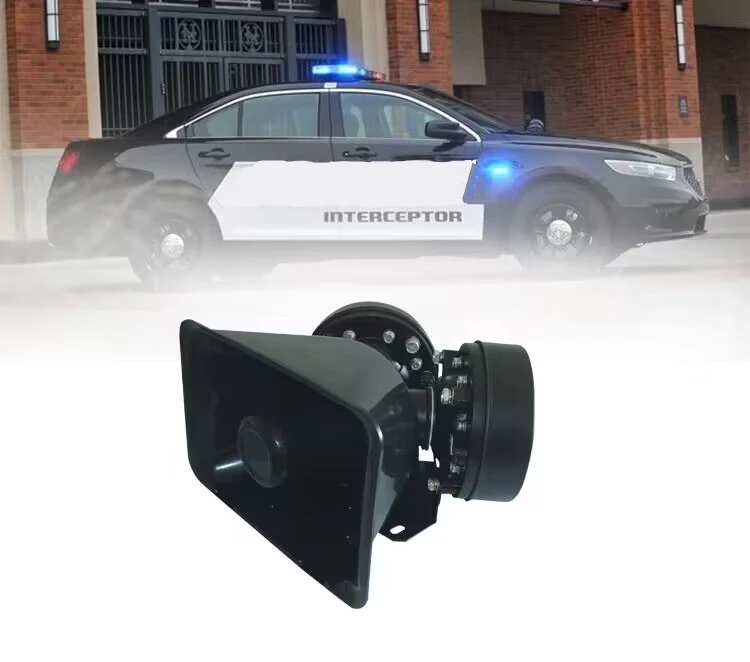
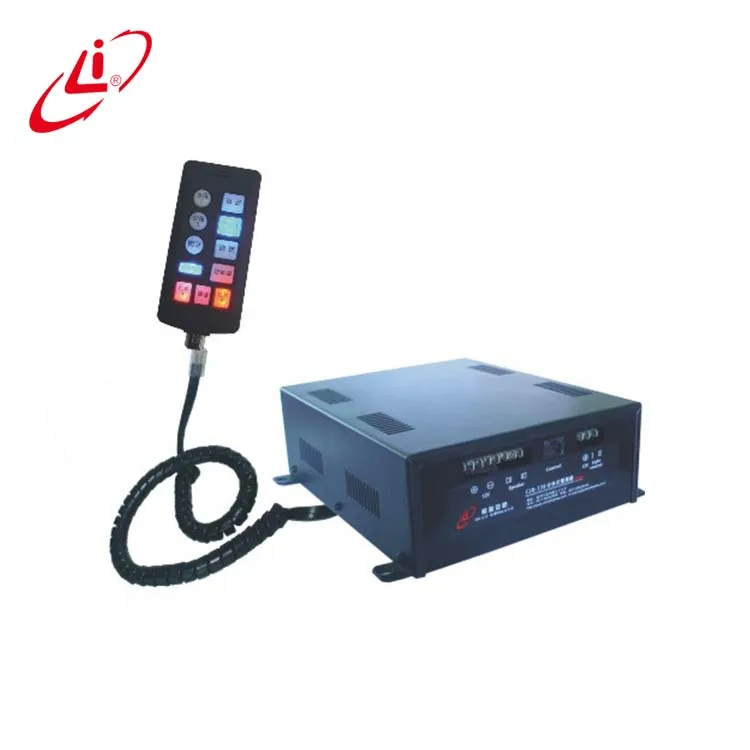
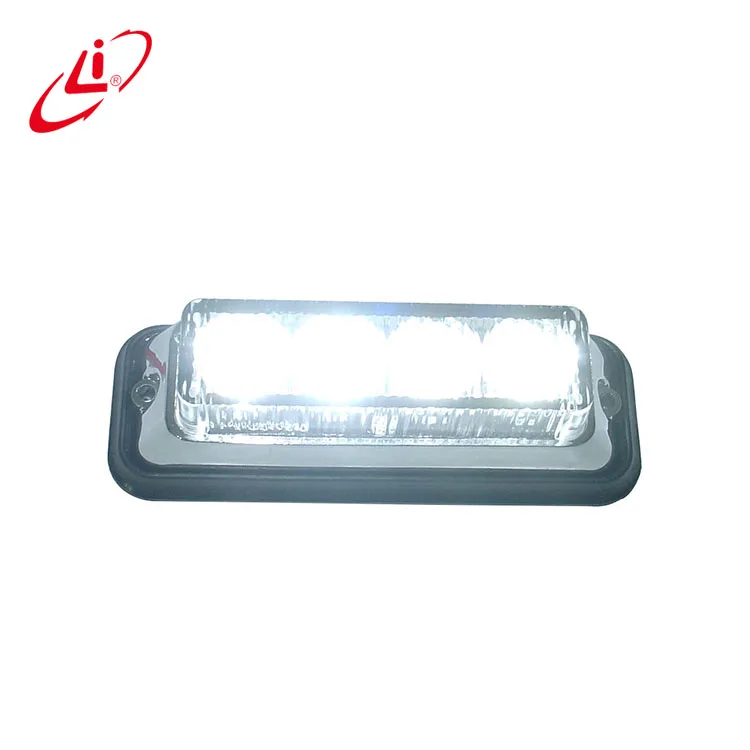
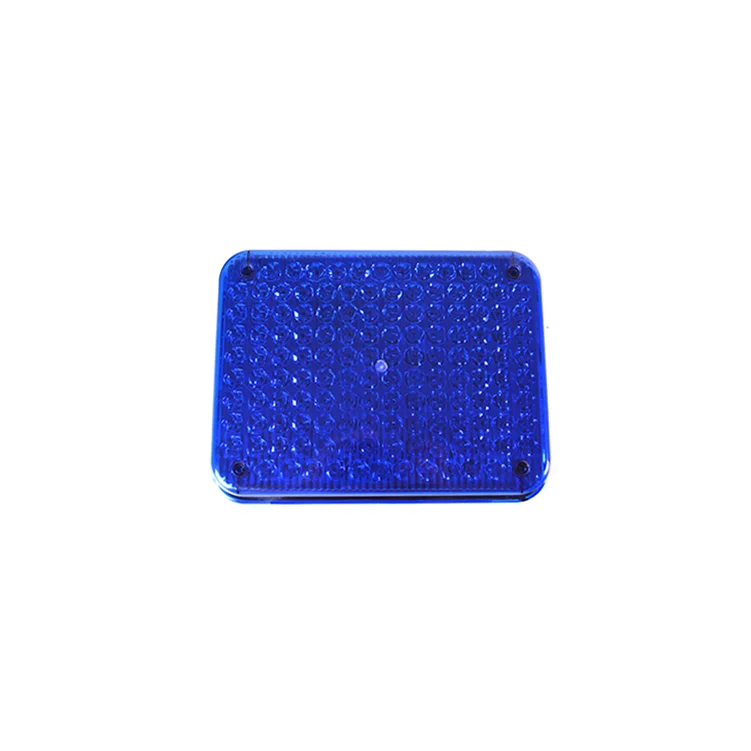
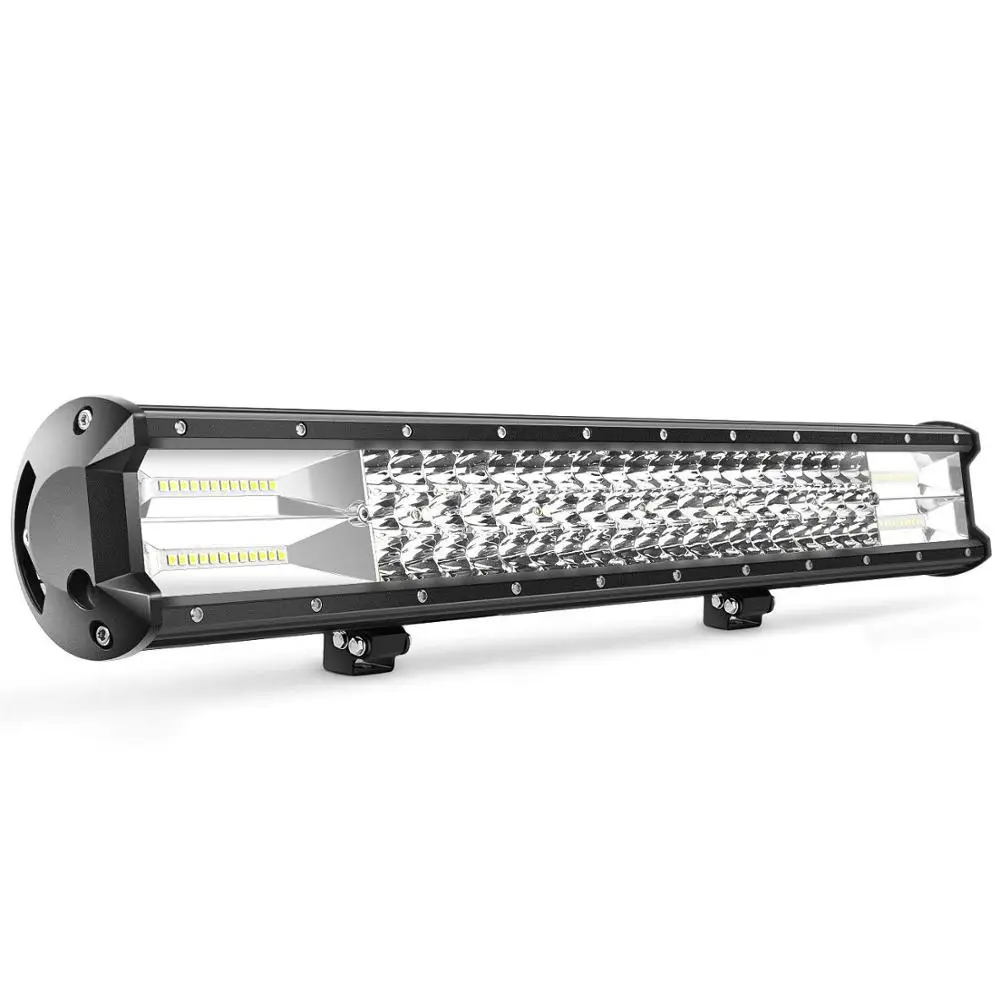
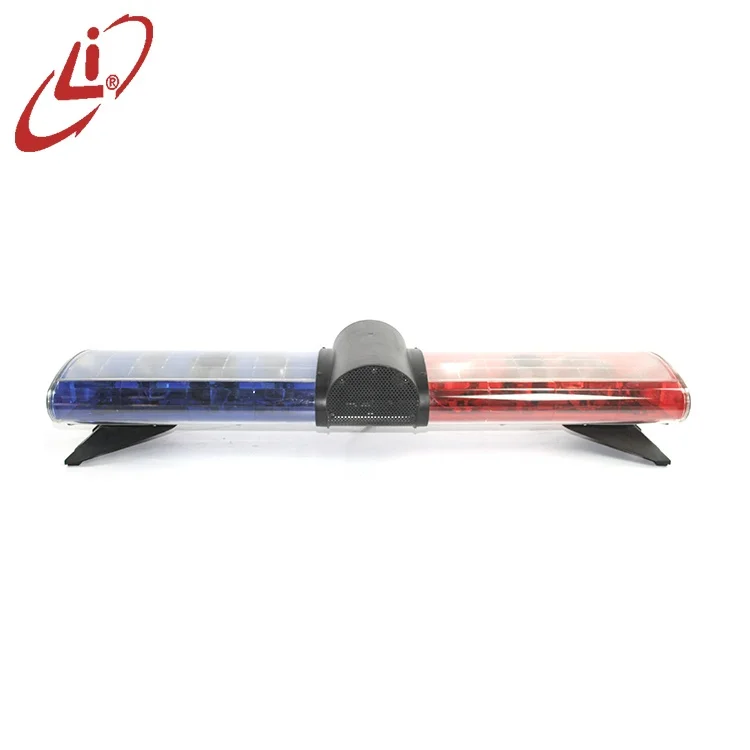
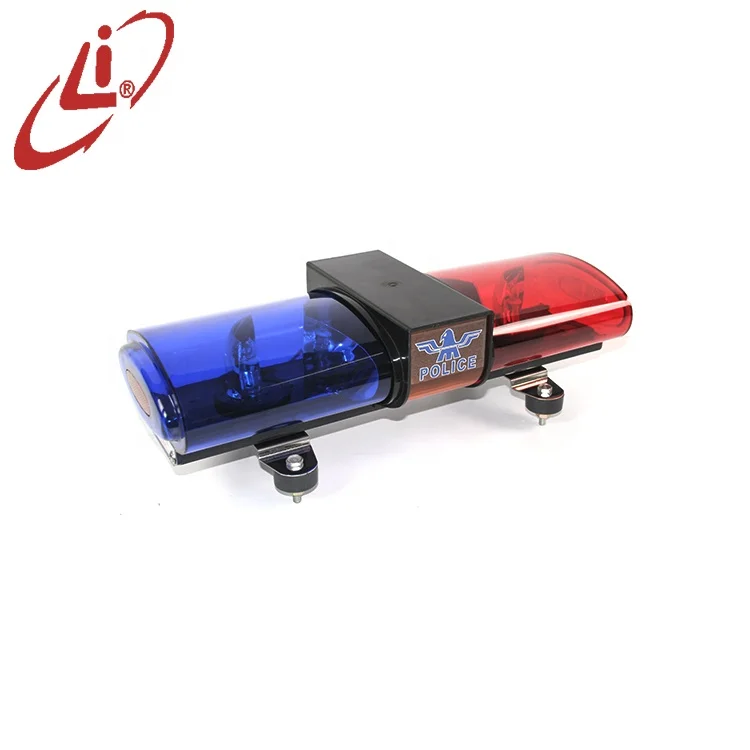
A Guide for Distributors
For distributors, understanding the nuances of strobe car lights is vital for effective sales and customer satisfaction. Here are key elements to consider:
Product Range and Customization: Offer a variety of strobe lights catering to different vehicle types and customer needs. Customization options, such as color, patterns, and intensity, can enhance appeal and meet specific requirements from buyers.
Technical Specifications: Familiarize yourself with the technical specifications of the products you sell. This includes understanding the differences between LED and halogen lights, light patterns (steady vs. flashing), and operational voltage.
Market Trends: Stay updated on industry trends, such as advancements in LED technology or changes in regulations affecting emergency lighting. This knowledge can help you offer informed recommendations to your clients.
After-Sales Support: Providing strong after-sales support can differentiate your business from competitors. Be prepared to assist with installation guidelines, troubleshooting, and warranty claims to ensure customer satisfaction and loyalty.