Choosing Emergency Vehicle Strobes for Wholesale

All Categories

Emergency vehicle strobes

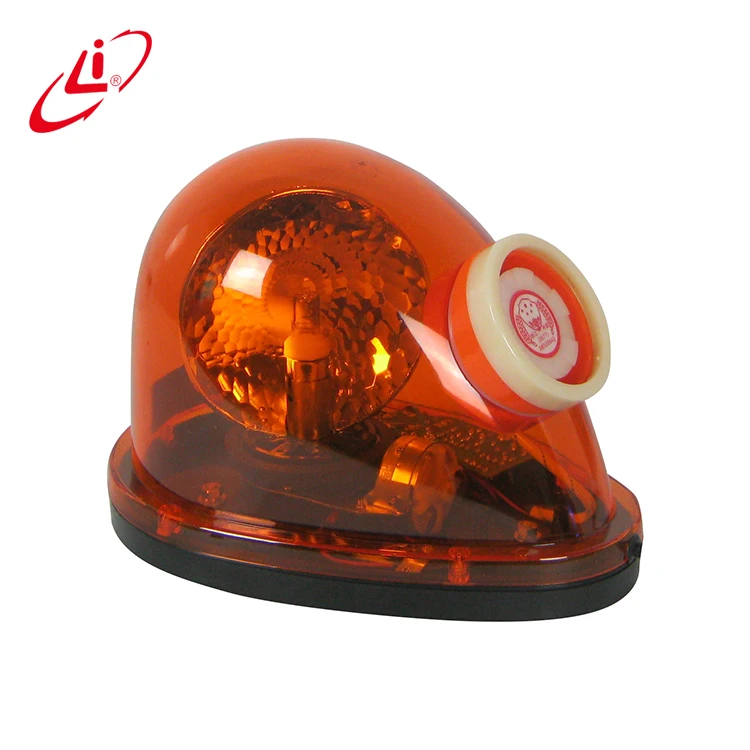
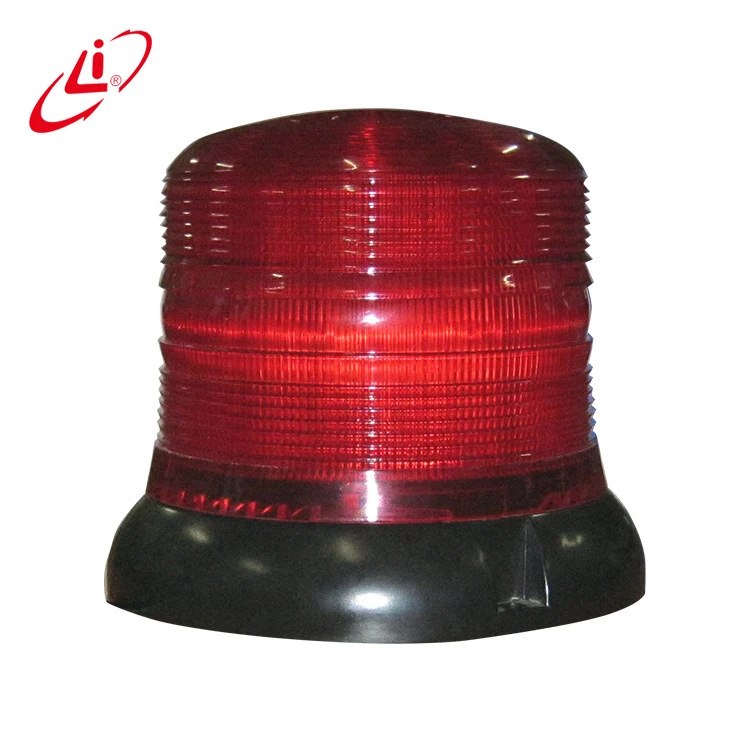
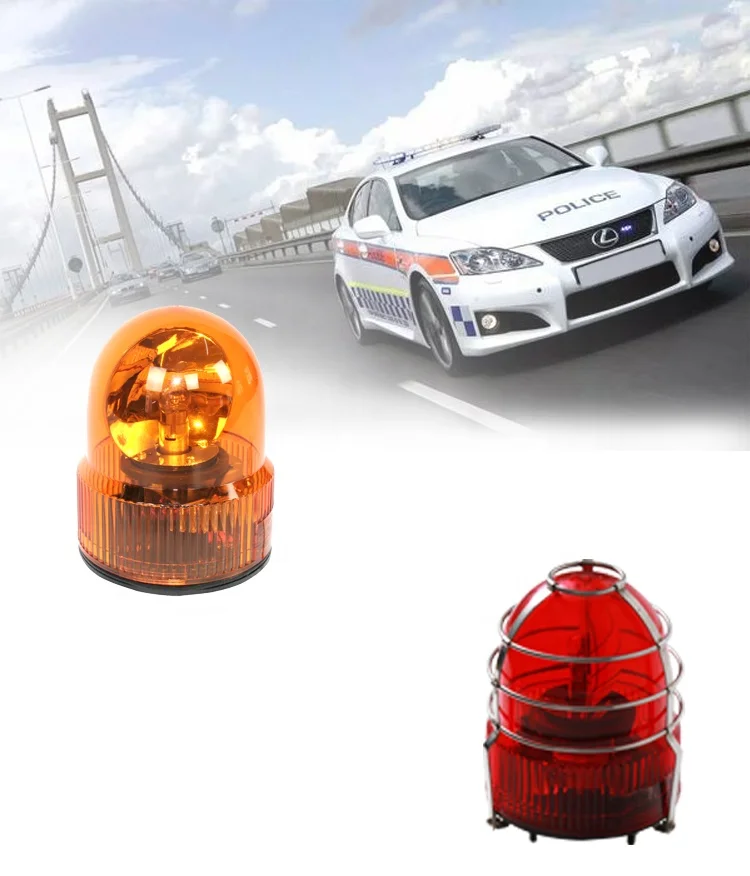
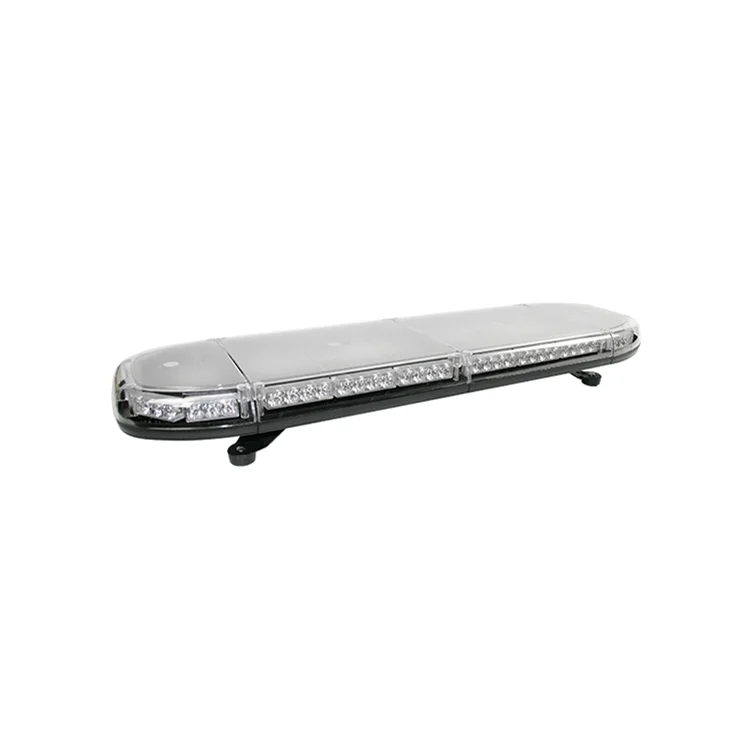
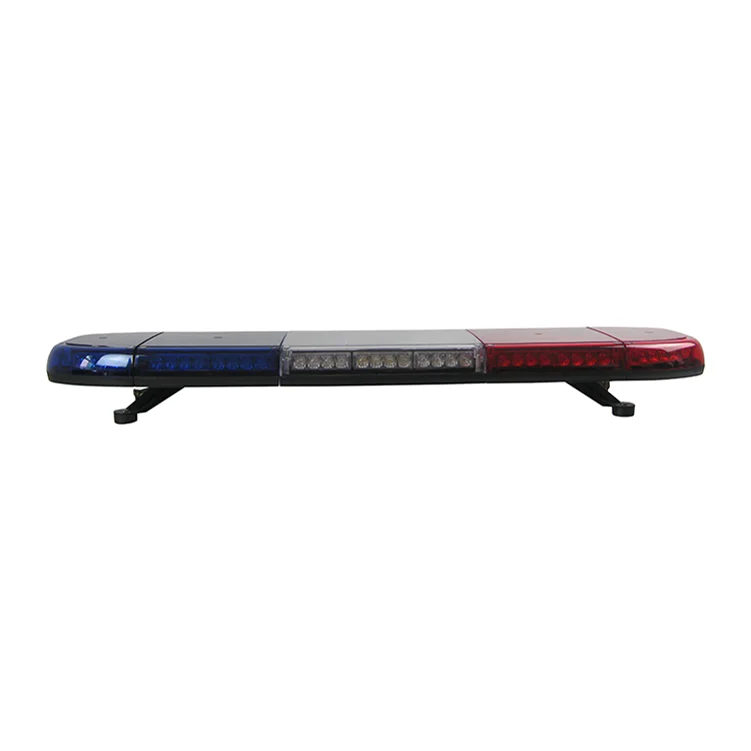
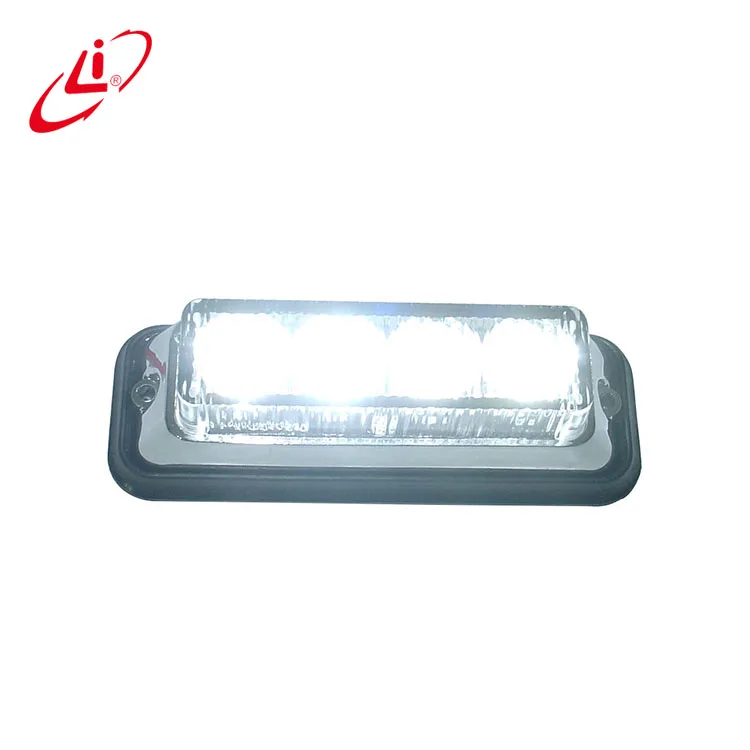
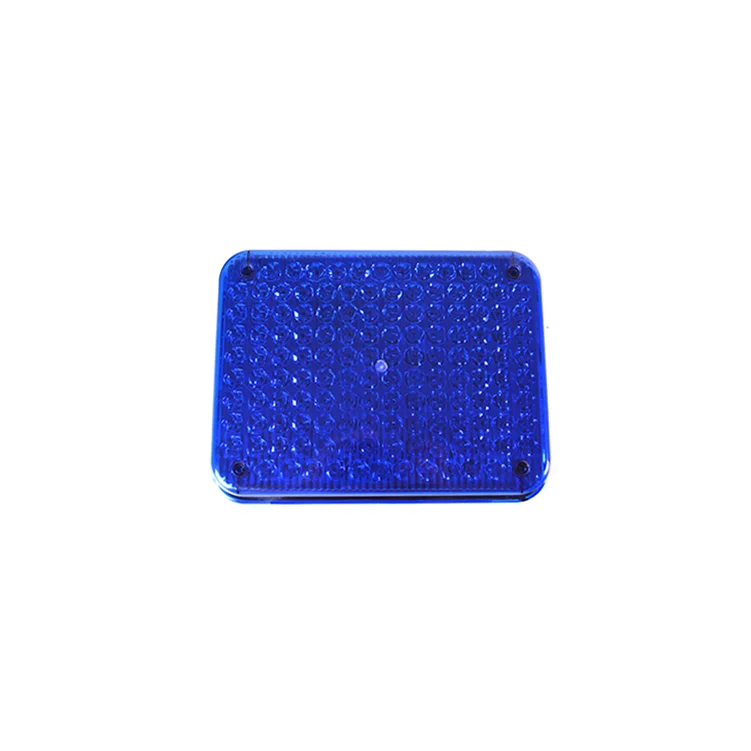
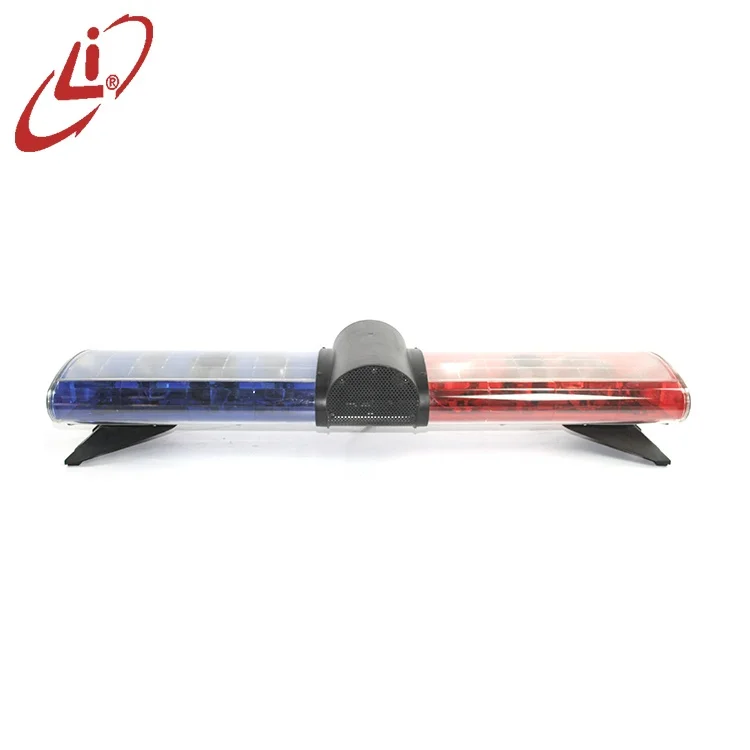
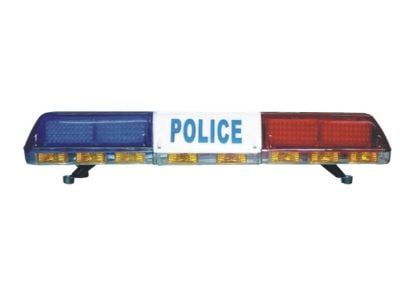
Emergency vehicle strobes are crucial lighting devices designed to enhance the visibility and safety of emergency vehicles such as police cars, ambulances, and fire trucks. For purchasing managers and distributors, understanding the various types of emergency vehicle strobes, their specifications, and their applications is essential for making informed procurement decisions. This article will help you navigate the complexities of selecting the right emergency vehicle strobes for wholesale, considering factors that affect performance, cost, and installation.
Our Products

Cost Factors for Bulk Orders of Emergency Vehicle Strobes Explained

Bulk purchasing of emergency vehicle strobes can offer significant cost benefits, but several factors influence pricing. First, the type of strobe selected will greatly affect the overall cost. Advanced LED models with multiple features will typically have a higher unit price than basic incandescent options.

Quantity is another crucial factor. Manufacturers often provide tiered pricing, where the unit cost decreases as the order quantity increases. Therefore, buyers should consider their anticipated needs and place larger orders when possible to take advantage of these savings.

Customization can also impact price. If specific colors, flash patterns, or additional features are required, this may lead to higher production costs. Buyers should clearly communicate their requirements to the manufacturer to receive accurate quotes.

Finally, shipping and handling costs should be factored into the overall budget. Emergency vehicle strobes are often bulky and may require special handling, which can affect shipping rates. It’s advisable to work closely with suppliers to understand the full scope of costs involved.
Installation Guidance for Emergency Vehicle Strobes in Various Applications

Proper installation of emergency vehicle strobes is critical to ensure optimal functionality and safety. Before installation, it's essential to review the vehicle’s manual and understand its electrical system. Here are some general guidelines:

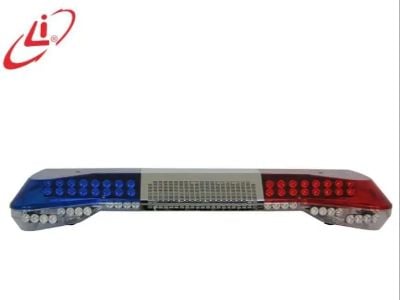
Location: Strobes should be mounted in locations that maximize visibility. Common areas include roof racks, rear windows, and front grilles. Ensure that the chosen locations comply with local regulations regarding light placement on emergency vehicles.

Electrical Connections: Most vehicle strobe lights will require connection to the vehicle's power supply. It's crucial to use the proper gauge wiring to prevent overheating and ensure reliable operation. Following manufacturer guidelines will help avoid potential electrical issues.

Angle and Orientation: Strobes should be angled correctly to ensure they project light outward effectively. Adjustments might be necessary to prevent obstructions and ensure that the light can be seen from multiple angles.

Testing: After installation, conduct a thorough test of the strobes to ensure they function correctly and conform to the necessary flash patterns and colors required by law enforcement agencies.

Common Problems with Emergency Vehicle Strobes and Their Solutions

Despite their reliability, emergency vehicle strobes can experience issues that may affect their performance. Here are some common problems and their solutions:

Flickering Lights: This can be caused by loose connections or faulty wiring. Ensure all connections are secure and inspect the wiring for any signs of damage. Replacing faulty components may be necessary.

Inconsistent Brightness: If strobes are not as bright as expected, check the power supply and ensure that the voltage is within the recommended range. Dimming can also occur if the bulb or LED unit is nearing the end of its lifespan.

Water Ingress: Water damage is a significant concern for outdoor equipment. Ensure that the strobes have a proper IP rating for the expected environmental conditions. If water ingress occurs, immediate replacement or sealing may be necessary.

Failure to Activate: If strobes fail to activate, check the switch and the vehicle's electrical system. It may be necessary to consult with an electrician or the manufacturer to troubleshoot the issue.

Material Advantages of Emergency Vehicle Strobes in Different Environments

The materials used in emergency vehicle strobes significantly influence their performance and longevity in various environments. Here are some of the common materials and their advantages:

Polycarbonate: This material is often used for the lens and housing of emergency vehicle strobes due to its high impact resistance and clarity. Polycarbonate is lightweight and can withstand harsh UV exposure, making it ideal for outdoor applications.

Aluminum: Strobes with aluminum housings are favored for their durability and heat dissipation properties. Aluminum is resistant to rust and corrosion, making it suitable for marine or humid environments.

Silicone Sealants: Many emergency vehicle strobe lights feature silicone sealants to protect against moisture ingress. These sealants provide flexibility and durability, ensuring that the strobes remain operational even in extreme weather conditions.

LED Components: The choice of LED technology is crucial for energy efficiency and longevity. High-quality LEDs provide superior brightness and have a longer lifespan compared to traditional bulbs, reducing maintenance needs and replacement costs.

By understanding the materials used in emergency vehicle strobes, buyers can make informed decisions that align with their specific application needs and environmental considerations.

What to Consider When Choosing Emergency Vehicle Strobes for Wholesale

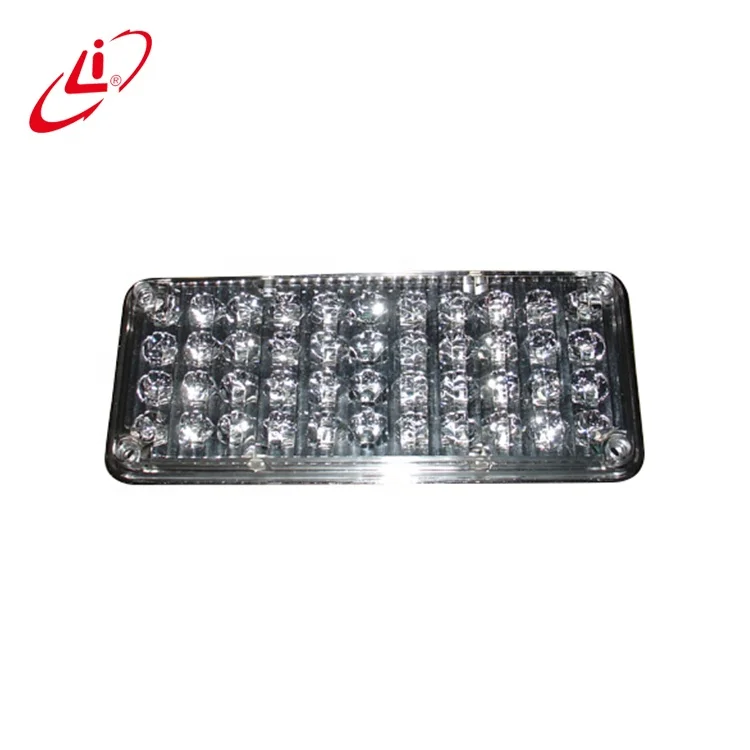
When selecting emergency vehicle strobes for wholesale, buyers should prioritize several key factors. First, consider the visibility requirements. Strobes are typically rated by their brightness (measured in lumens) and their effectiveness in various lighting conditions. High-intensity LEDs are often preferred because they produce bright, clear light that can be seen from a distance, even in daylight.

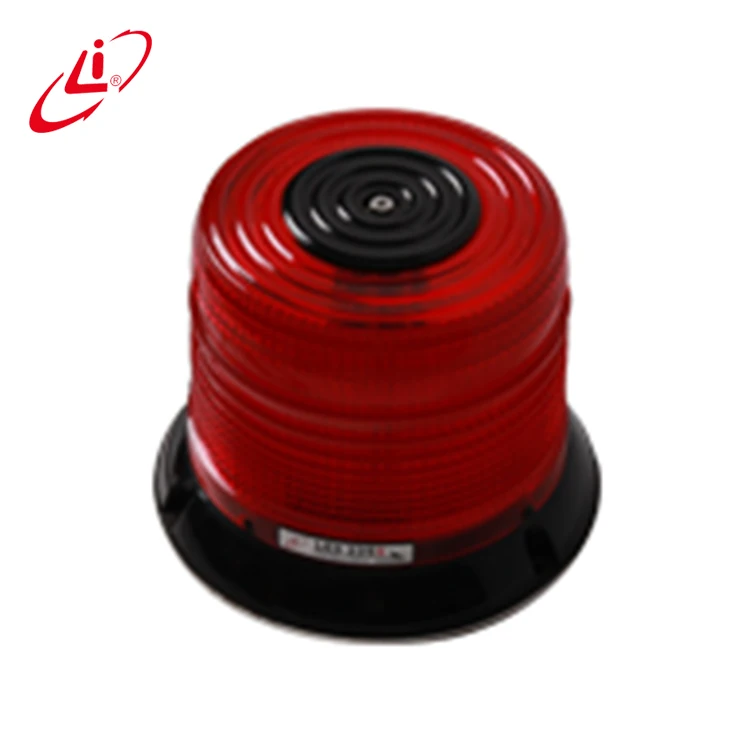
Next, evaluate the strobe's color and flash pattern. Different colors (such as red, blue, or amber) serve specific purposes and may be mandated by local regulations. Flash patterns can also impact the effectiveness of the strobe; some patterns are designed to catch the attention of drivers and pedestrians more effectively than others.

Additionally, assess the strobe's durability and environmental resistance. Emergency response vehicles are often exposed to harsh weather conditions, so selecting strobes with appropriate ingress protection (IP) ratings is crucial. Emergency strobe lights with high-quality housing materials, like polycarbonate or aluminum, can withstand impacts and resist corrosion.

Lastly, consider the strobe's compatibility with existing equipment. Ensure that the strobes can be easily integrated into the vehicle's electrical system and that installation can be performed without extensive modifications.

Why choose Liyi Emergency vehicle strobes

Full-Service Support from Design to After-Sales

We provide end-to-end services—from R&D and sampling to quality control, timely delivery, and responsive after-sales support—ensuring a smooth, reliable partnership and complete customer satisfaction throughout the product lifecycle.

Rigorous Quality Assurance and Certified Products

All our products undergo strict testing and certification by the Ministry of Public Security, ensuring high reliability and compliance for warning light bars, sirens, and security equipment used in demanding applications.

Industry Authority with Long-Standing Reputation

As a founding member of the China Security Association and a Ministry of State Security network member, we have 30+ years of industry leadership, consistently recognized as a "Key Enterprise of Wenzhou" and awarded the "Contract Fulfillment Award" for 10 consecutive years.

Comprehensive Customization and OEM Capability

We offer full customization for emergency lighting and audio systems, including flash patterns, siren tones, LED specifications, and lens colors, along with complete packaging design services to meet your unique product and branding requirements.

Our Blog Posts

What Makes a High-Performance Flashing Beacon Light for Heavy-Duty Vehicles

16

May

What Makes a High-Performance Flashing Beacon Light for Heavy-Duty Vehicles

Introduction: Essential Safety for Heavy-Duty Vehicles Flashing LIGHTBAR are extremely important for large trucks and heavy equipment. They allow other people to see the vehicle from a great distance, which is particularly crucial in adverse weather ...
View More
Compact LED Flashing Beacons for Equipment with Limited Mounting Space

16

May

Compact LED Flashing Beacons for Equipment with Limited Mounting Space

Introduction: Solving Safety Challenges in Tight Spaces When equipment is scaled down or operates in tight spaces, finding safety components that fit well and work perfectly can be challenging. Many machines lack adequate warning lights simply becaus...
View More
What Defines Optical Output in LED Police Lightbars

16

May

What Defines Optical Output in LED Police Lightbars

Introduction: The Critical Role of Optical Output in Police Lighting LED police light bars are essential tools for law enforcement, ensuring officers are visible during emergencies and warning the public of their approach. When we refer to "optical o...
View More
How Voltage Fluctuation Affects Siren Speaker Performance

16

May

How Voltage Fluctuation Affects Siren Speaker Performance

Introduction: The Impact of Voltage Fluctuation on Siren Speakers Voltage fluctuation can significantly disrupt the performance of siren speakers. These loud, specialized speakers are designed to warn people during emergencies. When voltage varies dr...
View More

Get a Free Quote

Our representative will contact you soon.
Email
Name
Mobile
Company Name
Message
0/1000

Get a Free Quote

Our representative will contact you soon.
Email
Name
Mobile
Company Name
Message
0/1000