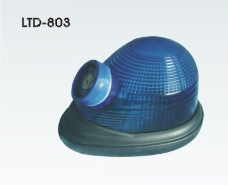
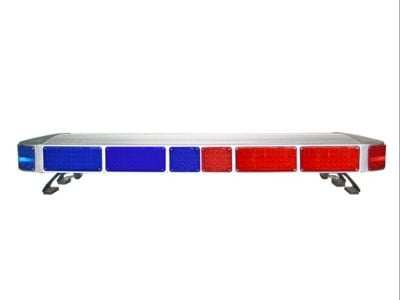
Choosing the Right 24V Strobe for Your Project

All Categories

24v strobe

Choosing the right 24V strobe light for your emergency service or industrial application is crucial. With the growing need for reliable warning lights in various sectors, buyers need to consider factors such as visibility, durability, and compliance with safety regulations. This article will guide you through important considerations for selecting a 24V strobe, sourcing suppliers, and troubleshooting common installation issues. 

Where to Source Reliable Suppliers of 24V Strobe Equipment

Finding a trustworthy supplier for 24V strobe lights involves careful evaluation. Here are some steps to help you identify reliable sources:

Industry Reputation: Research suppliers with a solid track record in manufacturing emergency service equipment. Look for companies that have been in the industry for several years and have a history of quality products. 

Certifications and Compliance: Ensure that the manufacturer complies with relevant safety regulations and industry standards. Certifications from recognized organizations demonstrate a commitment to quality. 

Product Range and Customization: Suppliers should offer a diverse range of led strobe warning lights lights and the ability to customize products based on your specifications, such as color, size, and power options. 

Customer References: Request references or case studies from previous clients to gauge the supplier's reliability and customer service. This feedback is invaluable in assessing their capabilities. 

Quality Control: Investigate the supplier's quality control processes. A robust system ensures that products are tested for performance and durability before reaching the customer. 

By conducting thorough research and vetting potential suppliers, you can ensure that you partner with a manufacturer that meets your standards for quality and reliability. 
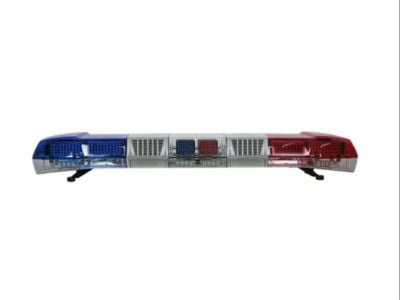
Key Factors to Consider

When making a purchasing decision for a 24V strobe light, the following factors should also be considered:

Technical Specifications: Understand the technical parameters such as voltage, wattage, and light patterns. Ensure the specifications align with the intended application, whether for emergency vehicles or industrial signaling.

Lead Time: Inquire about lead times for production and delivery. Timely access to equipment is crucial in emergency services, so ensure that the supplier can meet your project deadlines.

Minimum Order Quantity (MOQ): Different suppliers have various MOQs. If you require a small number of police strobe lights, clarify this aspect upfront to avoid excess inventory or future procurement issues.

After-Sales Support: Reliable after-sales support can be critical, especially for product installation and troubleshooting. Ensure the supplier offers adequate technical support and warranty options.

By keeping these factors in mind, you can make an informed decision that aligns with your operational requirements and purchasing strategy.

Common Installation Problems with 24V Strobe Lights and Solutions

Successful installation of 24V strobe lights can sometimes present challenges. Here are common problems and their solutions:

Incompatible Wiring: A frequent issue arises when existing vehicle wiring does not match the strobe's requirements. Ensure compatibility with the vehicle's electrical system by consulting the manufacturer's specifications. Use a wiring harness if necessary to simplify connections.

Mounting Difficulties: Improper mounting can lead to ineffective signaling. Follow the manufacturer's guidelines for installation height and angle to maximize visibility. Use appropriate mounting hardware, especially in high-vibration environments, to prevent loosening over time.

Power Issues: Inadequate power supply can result in flickering or non-functioning lights. Verify that the power source matches the strobe's voltage and ensure that connections are secure. Consider using a dedicated circuit if the strobe light draws significant power.

Environmental Impact: Exposure to harsh weather can affect performance. Use gaskets or seals to protect against moisture and debris. Choose lights with high IP ratings for outdoor applications.

By anticipating these common installation problems and implementing solutions, you can ensure the effective operation of your 24V strobe lights.

Features and Benefits Explained

Understanding the features and benefits of 24V strobe lights is essential for making an informed purchase. Key features include:

Flash Patterns: Many strobe lights offer multiple flash patterns, allowing users to select the most effective signaling style for their environment. This flexibility enhances visibility and can be tailored to meet specific needs, especially in emergency situations.

LED Technology: LED strobe lights provide brighter illumination while consuming less power compared to traditional halogen bulbs. This results in longer operational life and reduced energy costs, making them ideal for use in vehicles that require prolonged operation.

Durability and Longevity: Strobe lights designed for heavy-duty use often feature rugged construction and weatherproof designs. These characteristics ensure reliable performance even in challenging conditions, ultimately reducing maintenance costs and downtime.

Easy Installation and Maintenance: Many modern strobe lights are designed for straightforward installation, often equipped with user-friendly mounting options. Additionally, low-maintenance components minimize the need for frequent replacements, providing a cost-effective solution over time.

By understanding these features and their benefits, buyers can select strobe lights that not only meet their immediate needs but also offer long-term value in performance and reliability.

What to Consider When Choosing a 24V Strobe for Your Project

When selecting a 24V strobe light, several key factors should be taken into account:

Visibility: The primary function of a strobe light is to be seen. Look for lights with high lumen output and a color that stands out against the environment they will be used in, such as amber, red, or blue for emergency services. 

Durability: Strobe lights must withstand harsh conditions. Consider materials such as polycarbonate or aluminum, which provide impact resistance and can endure extreme weather. Also, check for an IP (Ingress Protection) rating to ensure they are water and dust resistant. 

Power Consumption: Since these lights are often used for extended periods, it is essential to consider their power consumption. Efficient models can reduce battery drain, especially in vehicles. 

Mounting Options: Depending on your application, the mounting style may vary (e.g., magnetic, permanent, or suction). Ensure that the chosen strobe light offers versatile mounting options to fit your specific needs. 

Compliance: Check if the rotating strobe light meets necessary industry standards or certifications, such as those from the Ministry of Public Security, especially if they will be used in public safety applications. 

By considering these factors, you can select a 24V strobe that not only meets your operational needs but also adheres to safety and performance standards. 

Our Blog Posts

Multi-Unit Synchronization in Strobe Lighting Systems

16

May

Multi-Unit Synchronization in Strobe Lighting Systems

Introduction: The Power of Synchronized Strobe Lighting Several lights working in sync can produce impressive visual effects. When lights flash together precisely, the result looks professional and exciting. However, keeping multiple lights flashing ...
View More
High-Visibility Warning Lightbar Designs for Highway Maintenance Vehicles

16

May

High-Visibility Warning Lightbar Designs for Highway Maintenance Vehicles

Introduction: The Critical Role of Warning Lightbars in Highway Safety Warning lightbars are not just accessories for highway maintenance vehicles; they are a lifeline. In high-risk environments where workers are repairing roads or operating near hig...
View More
How LED Flashing Beacons Improve On-Site Safety for Industrial Operations

16

May

How LED Flashing Beacons Improve On-Site Safety for Industrial Operations

Introduction: The Importance of Visual Safety in Industrial Environments Safety is paramount in large industrial settings. These environments are often loud, crowded, and inherently dangerous. While alarms and signs are standard, they can easily go u...
View More
Why Optical Lens Design Impacts LED Warning Light Visibility

16

May

Why Optical Lens Design Impacts LED Warning Light Visibility

Introduction: Why Lens Design is Crucial for LED Warning Lights LED warning lights are essential for safety in emergency vehicles, construction sites, and industrial environments. However, have you ever wondered why some LED lights are significantly ...
View More

Get a Free Quote

Our representative will contact you soon.
Email
Name
Mobile
Company Name
Message
0/1000

Get a Free Quote

Our representative will contact you soon.
Email
Name
Mobile
Company Name
Message
0/1000