EN
Strobe light kits are essential components in emergency service equipment, providing vital visibility and signaling capabilities for a wide range of applications. As a professional manufacturer with over three decades of experience, we understand that B2B buyers, including purchasing managers and engineers, have specific concerns when selecting these kits. This article will explore critical factors to consider when choosing strobe light kits, key specifications to compare, cost considerations, and their applications in enhancing safety and visibility.
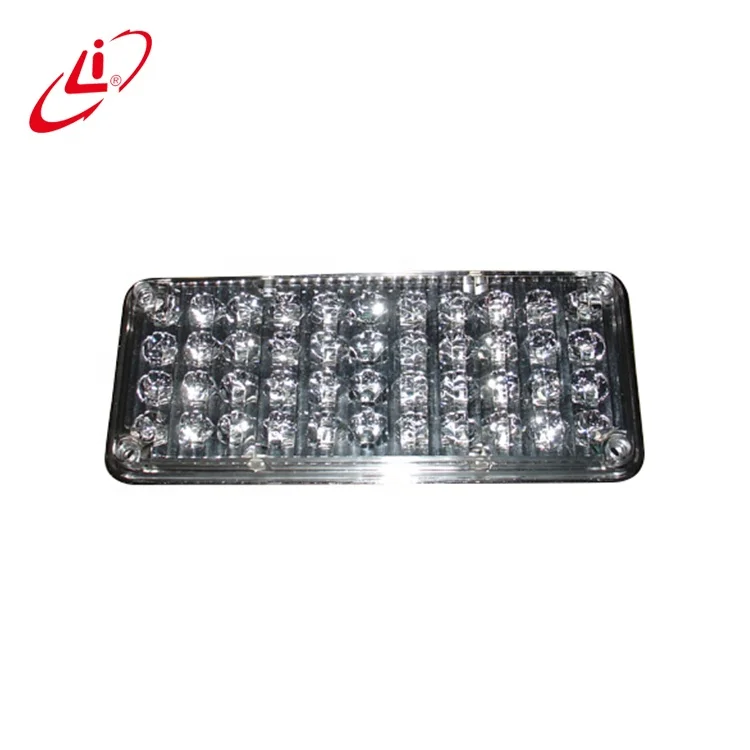
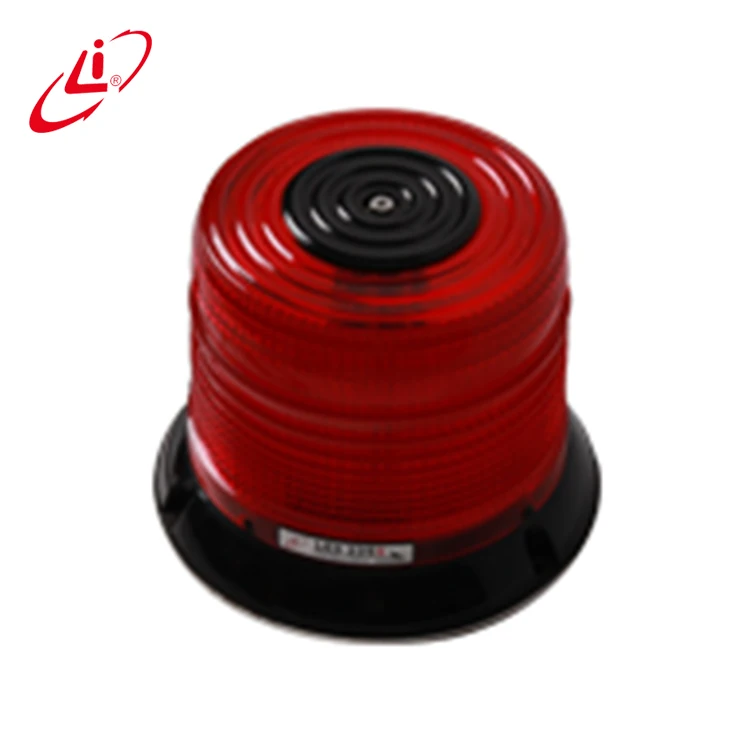
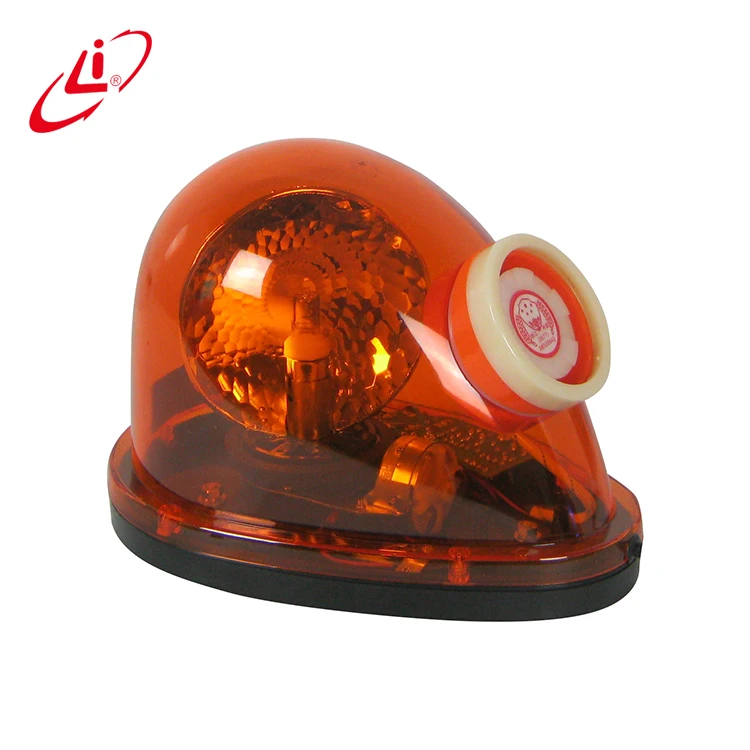
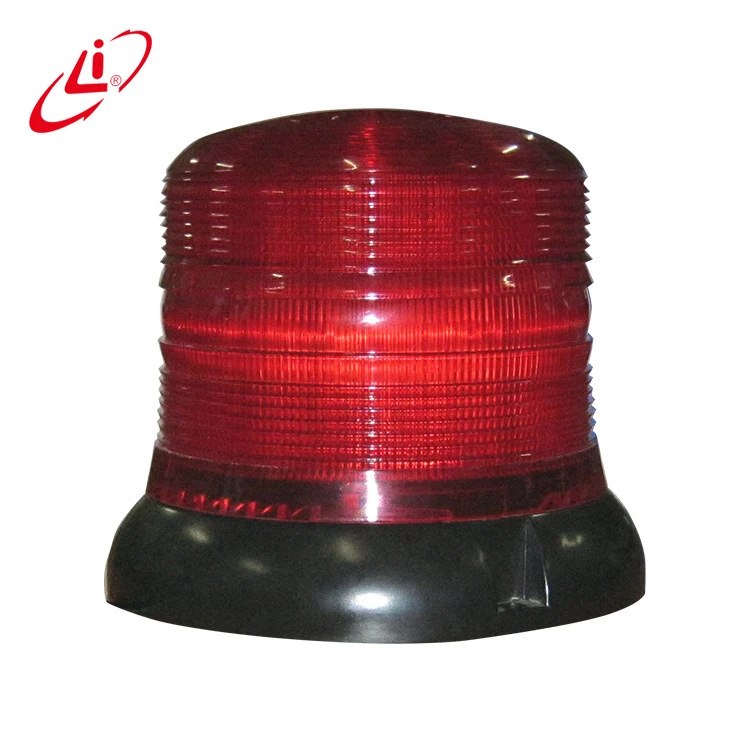
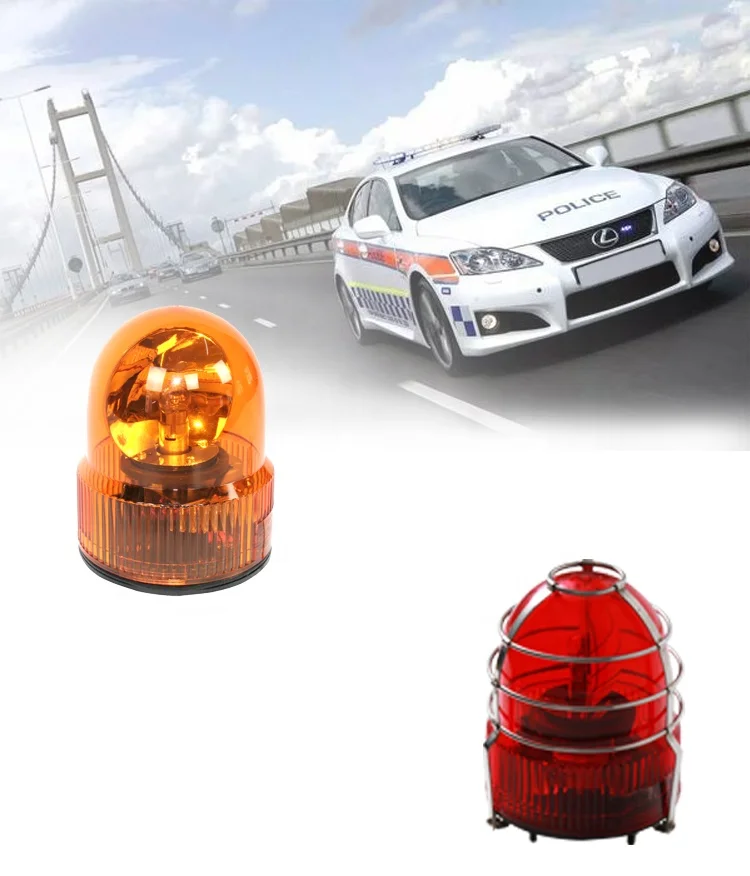
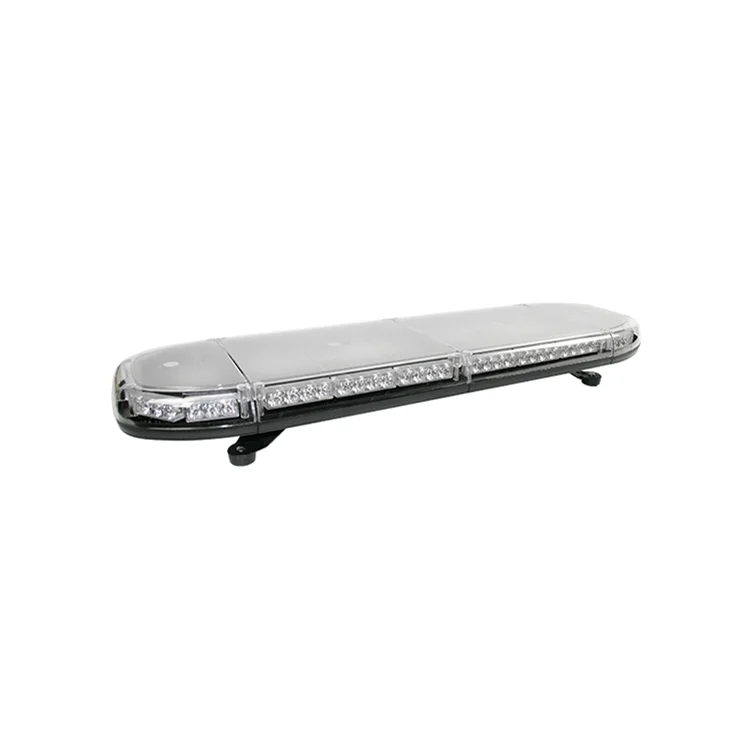
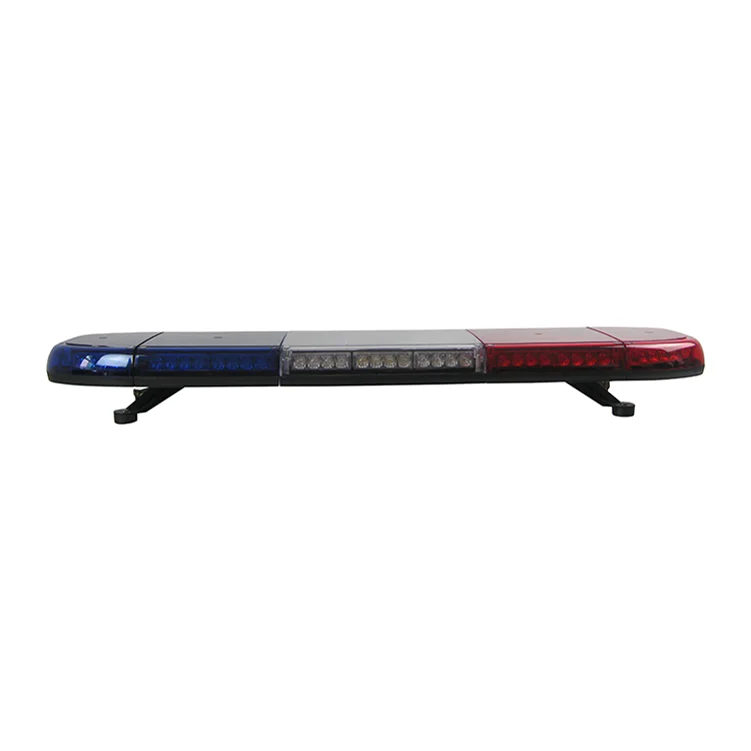
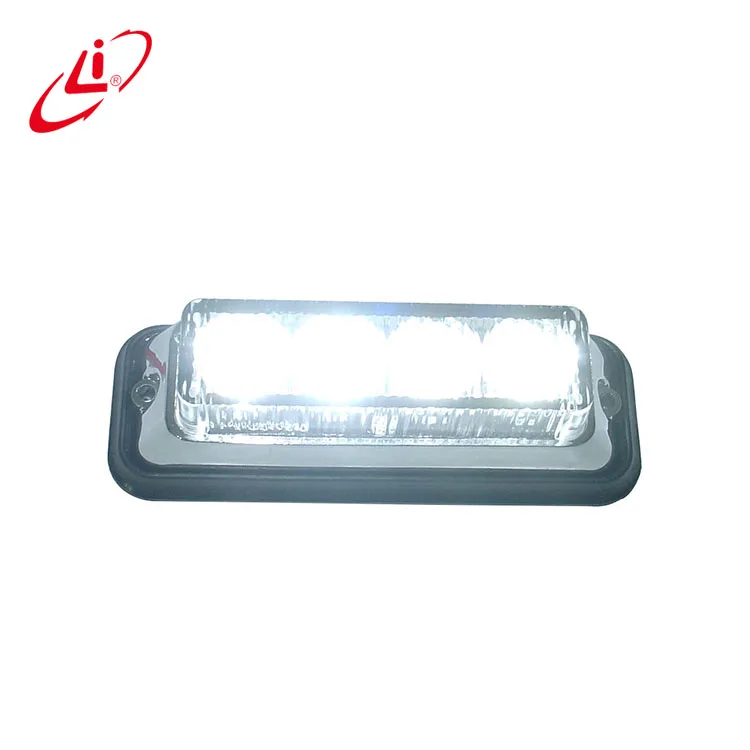
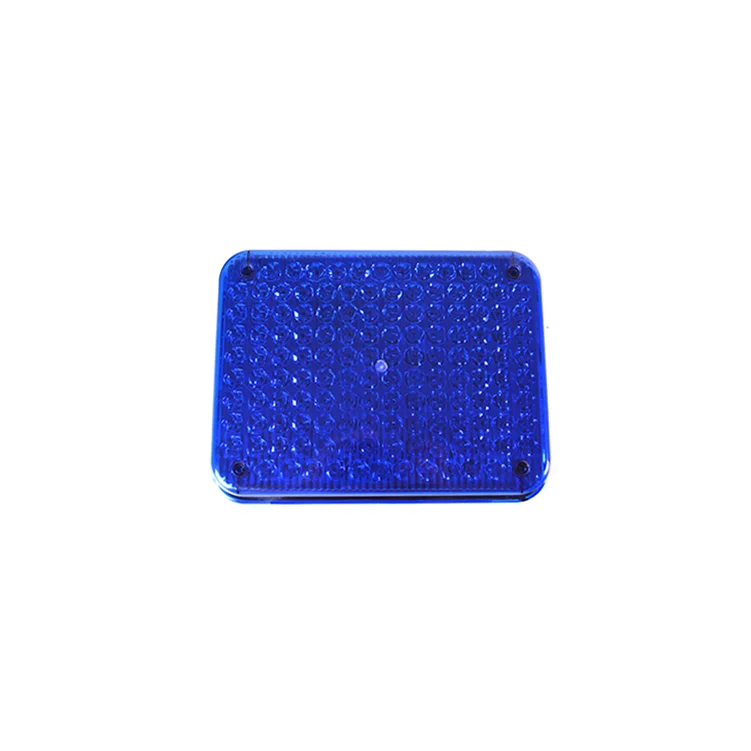
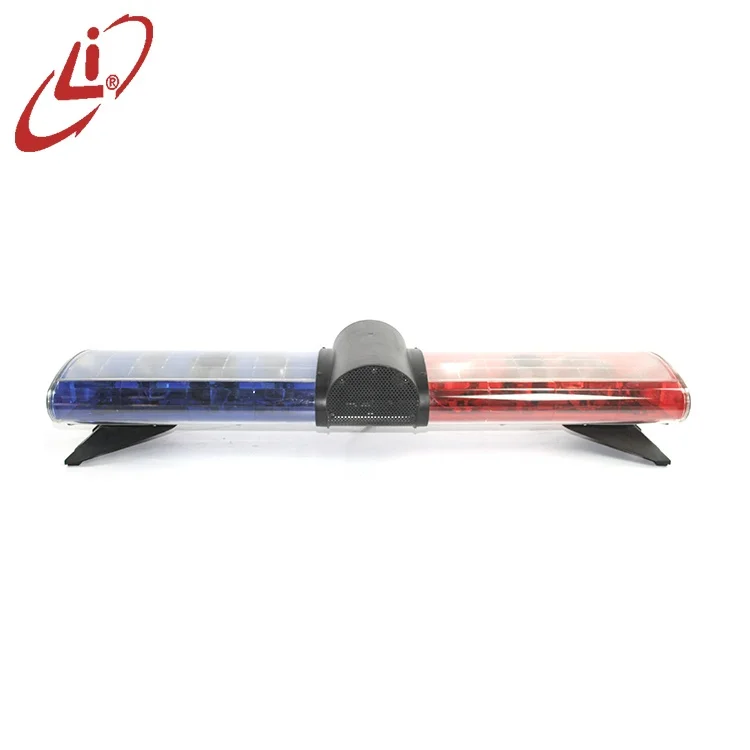
Key Specifications to Compare When Selecting Strobe Light Kits
When evaluating strobe light kits, several specifications are essential to ensure you select the right option for your needs:
Light Output (Lumens): This measurement indicates the brightness of the light. Higher lumens generally mean better visibility during the day.
Flash Patterns: Different kits offer various flash patterns, which can be crucial for signaling in specific scenarios. Ensure the patterns fit your operational needs.
Power Source: Consider whether the kit is powered by 12V or 24V systems, especially if you're outfitting emergency vehicles.
Mounting Options: Verify the mounting hardware included in the kit. Some kits are designed for permanent installation, while others may be more suited for temporary setups.
Water and Dust Resistance Ratings (IP Ratings): Look for IP ratings that indicate the level of protection against water and dust. This is vital for ensuring longevity in outdoor environments.
Warranty and Support: A solid warranty and customer support can provide peace of mind regarding the kit's performance and longevity.
Understanding these specifications will help you select a strobe light kit that meets your requirements for safety and visibility.