EN
Magnetic flashing beacons are essential safety devices used in various applications, primarily to alert and guide in emergency situations. As a B2B buyer, understanding how to source quality rotating beacon light, their specifications, installation requirements, and cost factors is crucial. This article will provide insights into these critical aspects to help you make informed purchasing decisions. This article will help you to understand the product more, so keep on reading it all. This will explain things about this product for you to understand it well.


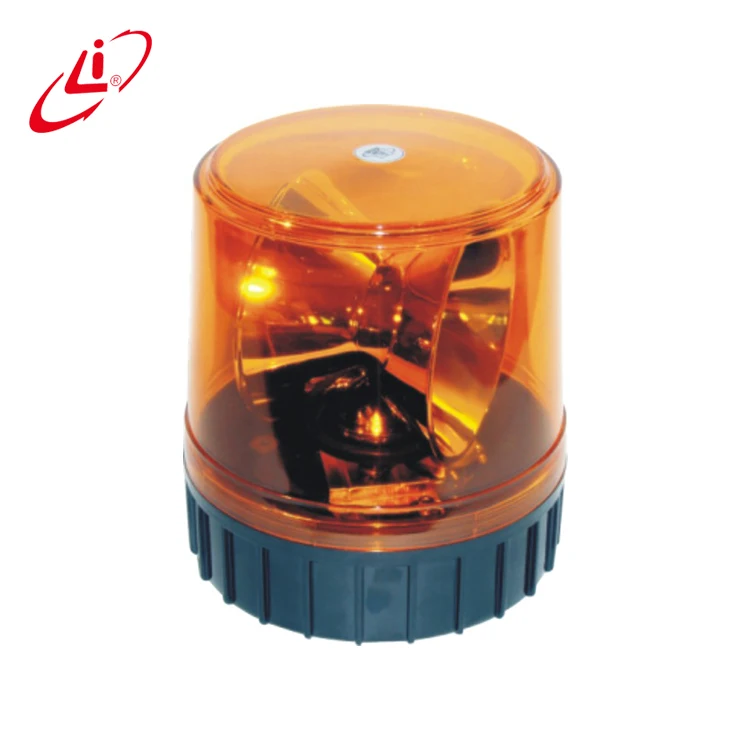
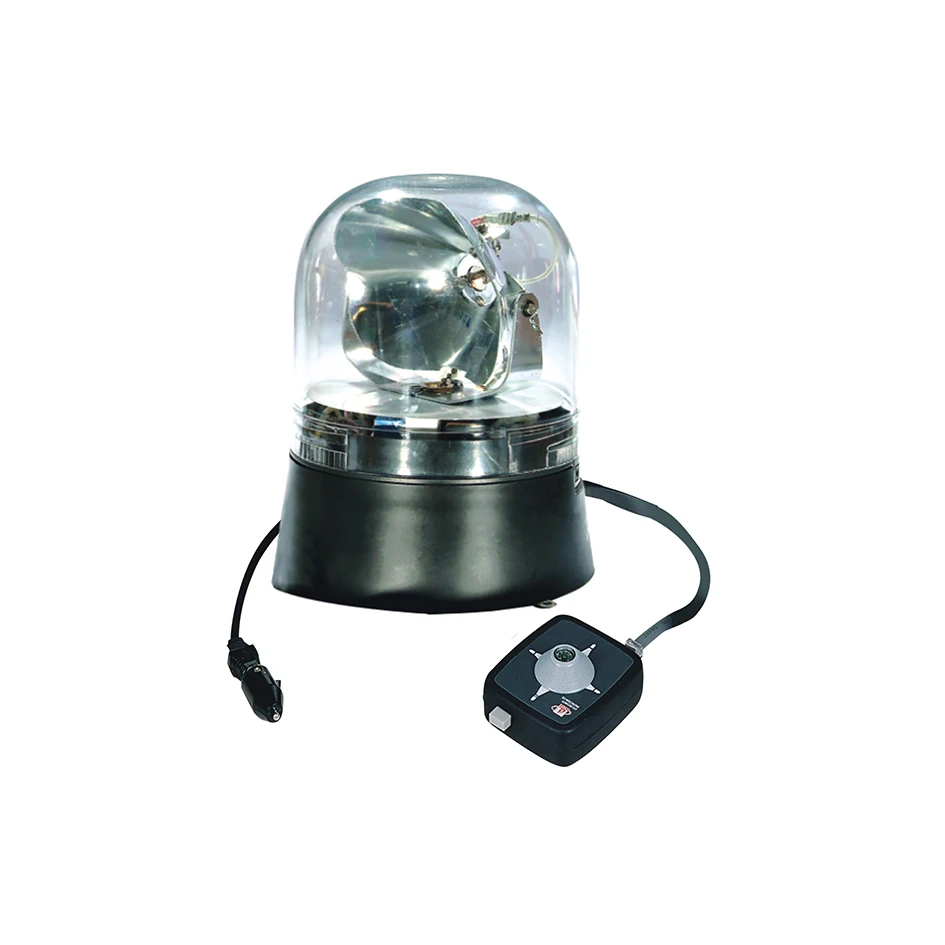
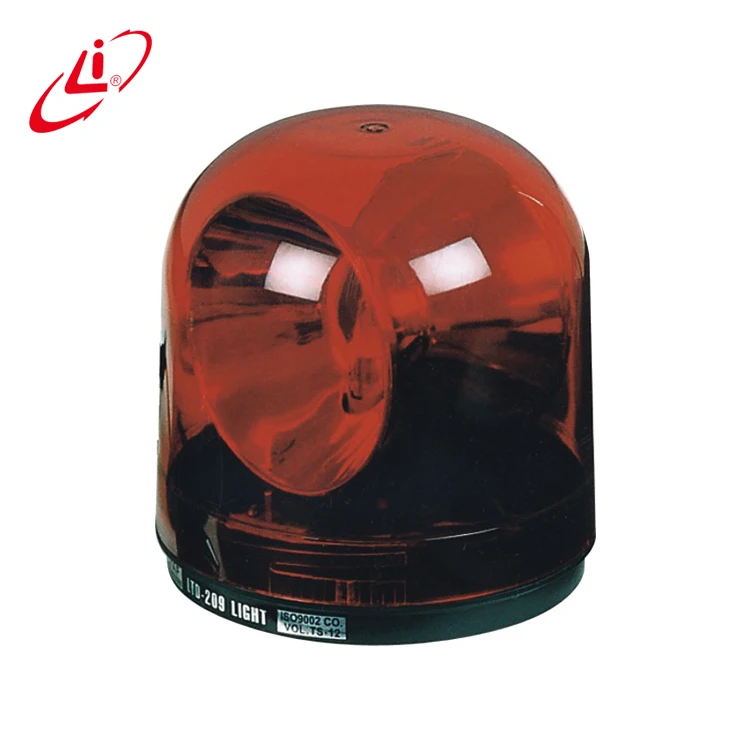
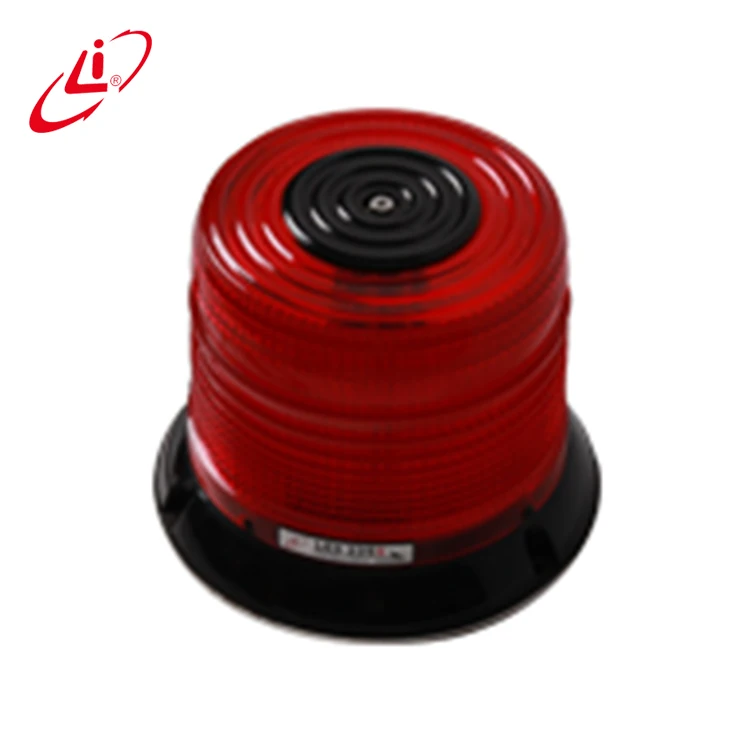
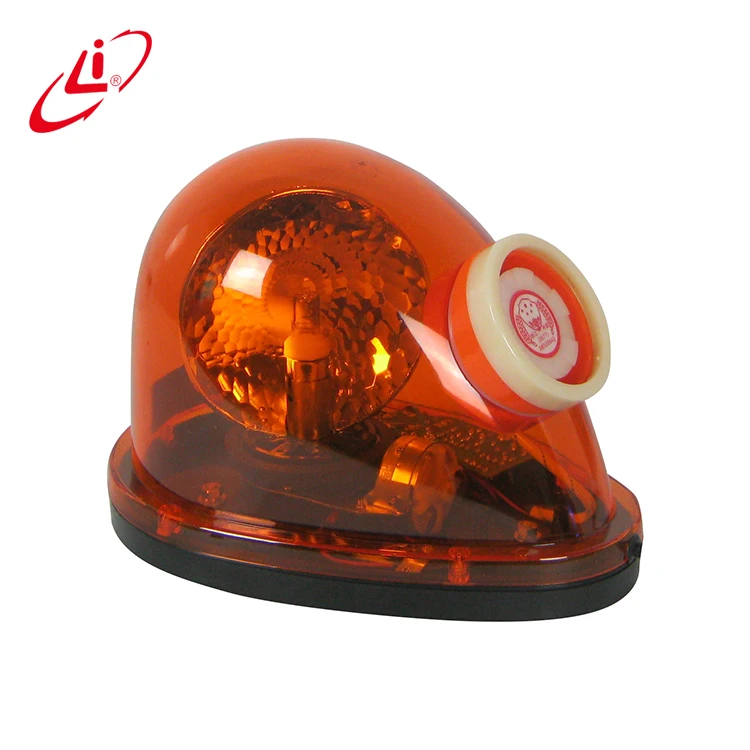
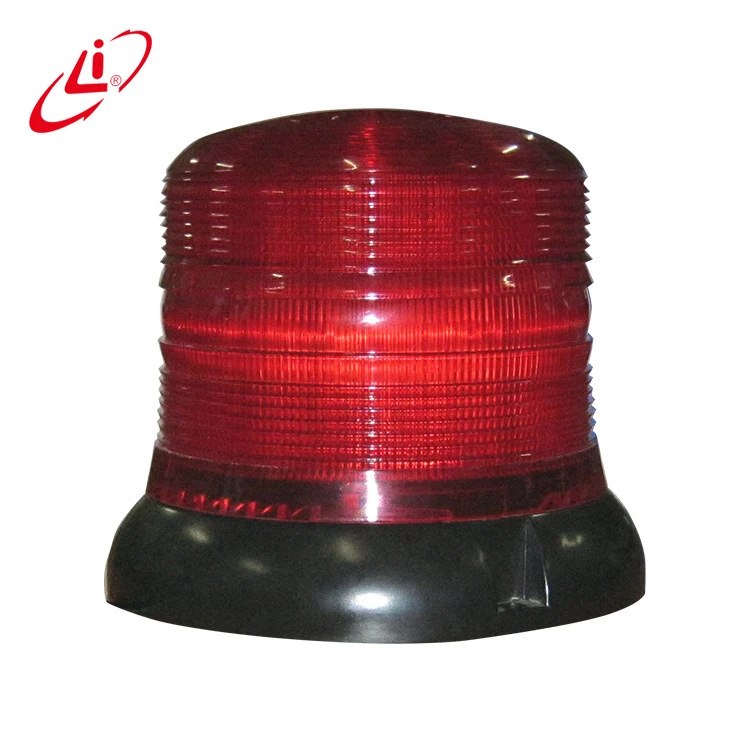
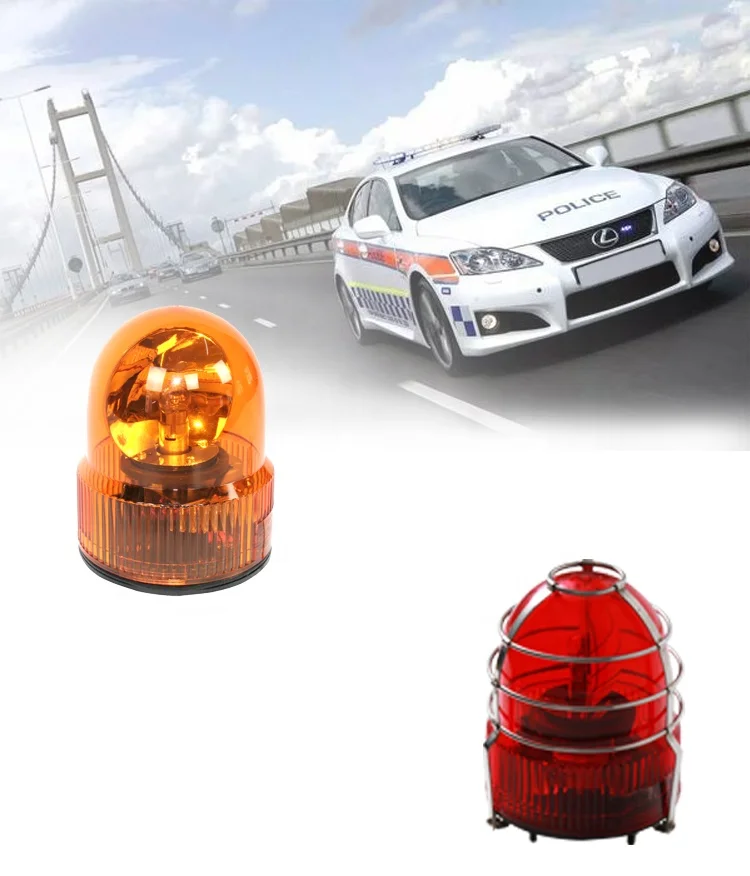
Key Specifications to Compare in Magnetic Flashing Beacons
When evaluating magnetic flashing beacons, focus on key specifications that influence their performance and suitability for your application:
Light Output: Measured in lumens, this indicates the brightness of the led rotating beacon light. Higher lumens typically mean better visibility in various conditions.
Mounting Options: Ensure the beacon has strong magnetic bases for secure attachment to vehicles or equipment. Some models may also offer permanent mounting options.
Weather Resistance: Look for beacons with IP ratings that indicate protection against dust and water. For outdoor use, IP65 or higher is recommended.
Power Source: Consider whether the beacon is powered by batteries, rechargeable units, or direct connection to a vehicle’s electrical system. Battery-operated models offer flexibility but may require frequent replacements.
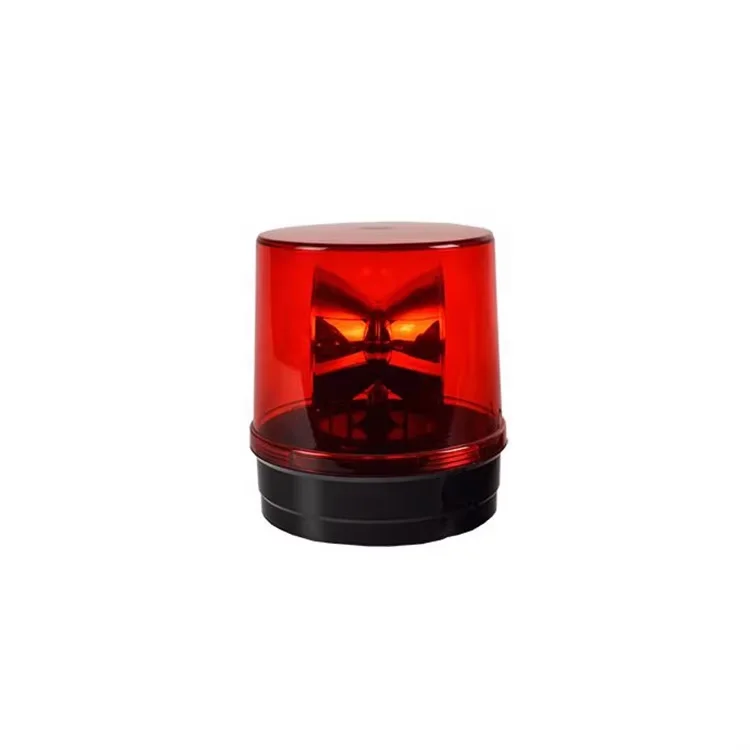
Color and Flash Patterns: Different colors (e.g., amber, red) serve specific purposes and regulations. Flash patterns should be bright and attention-grabbing, with options for customizable settings if needed.