EN
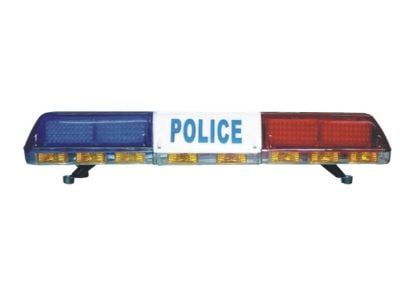
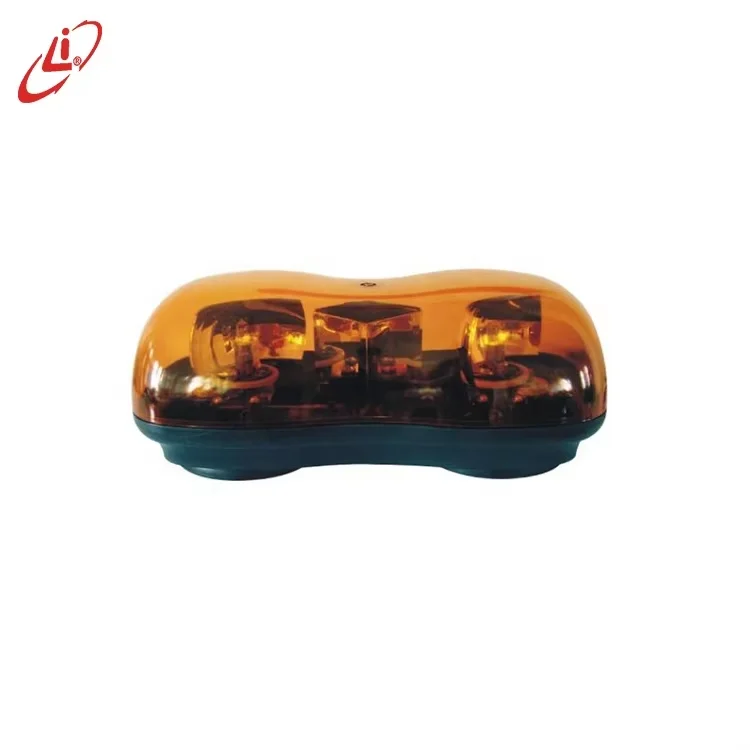
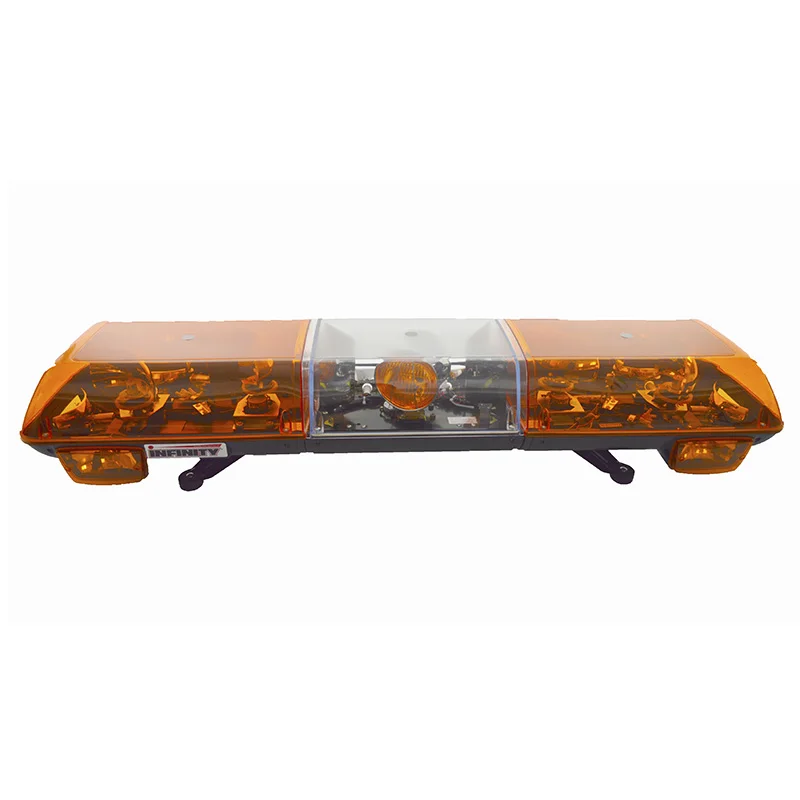
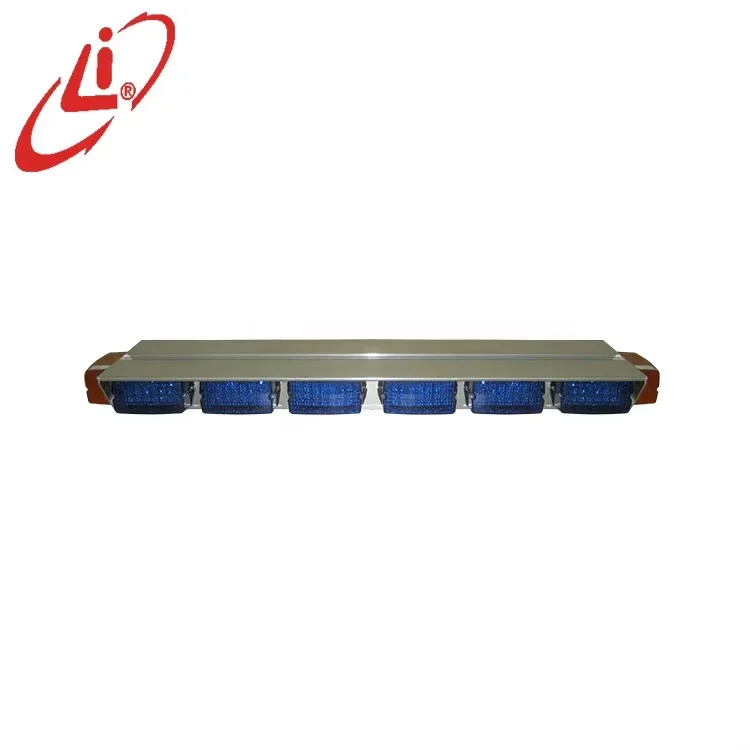
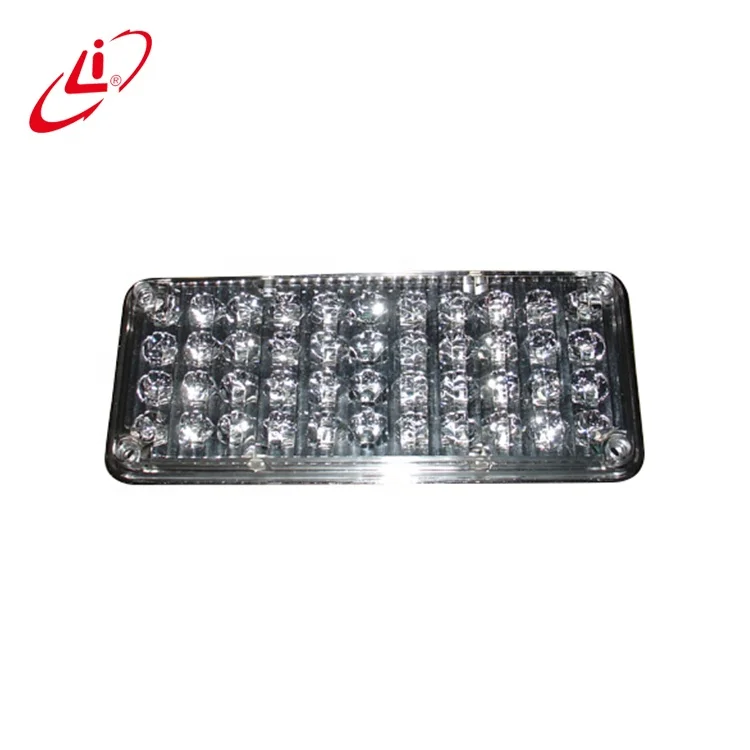
Amber strobes are essential lighting solutions used in emergency service vehicles to enhance visibility and alert other drivers. As a key component in police and emergency equipment, selecting the right amber strobe lights can significantly impact safety and operational effectiveness. This article addresses common concerns for B2B buyers regarding product specifications, installation issues, cost factors, applications, and comparisons of different models, providing valuable insights to aid in your purchasing decisions.

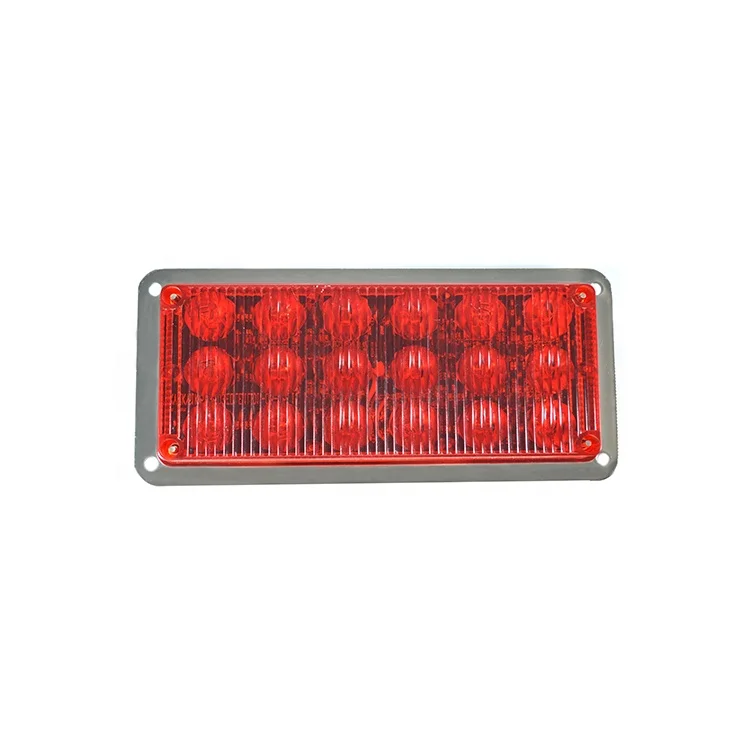
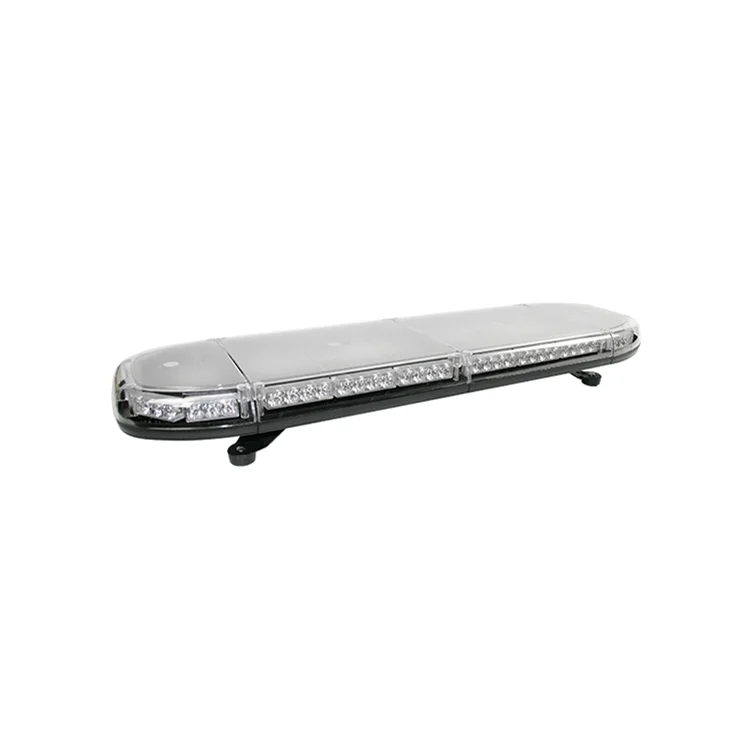
Common Installation Issues with Amber Strobes and Their Solutions
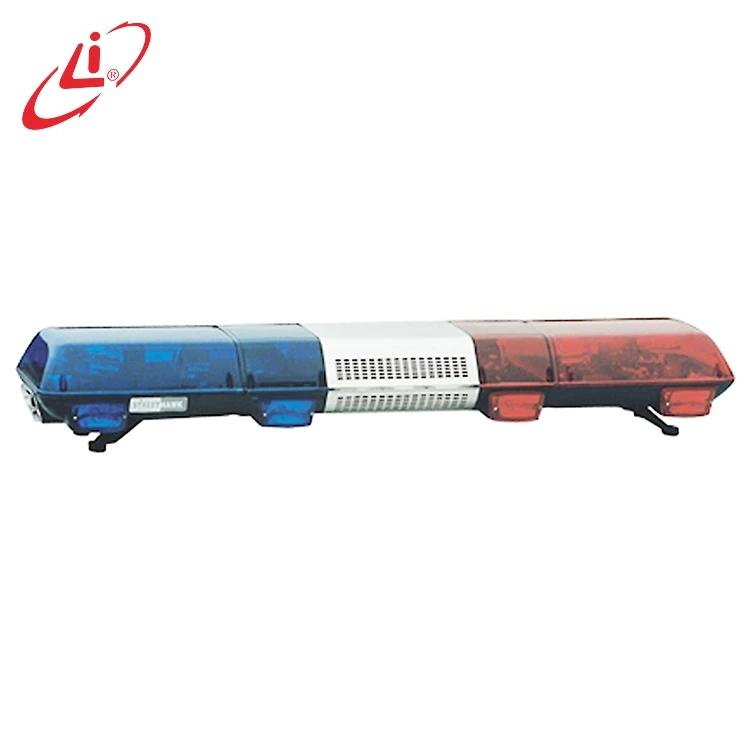
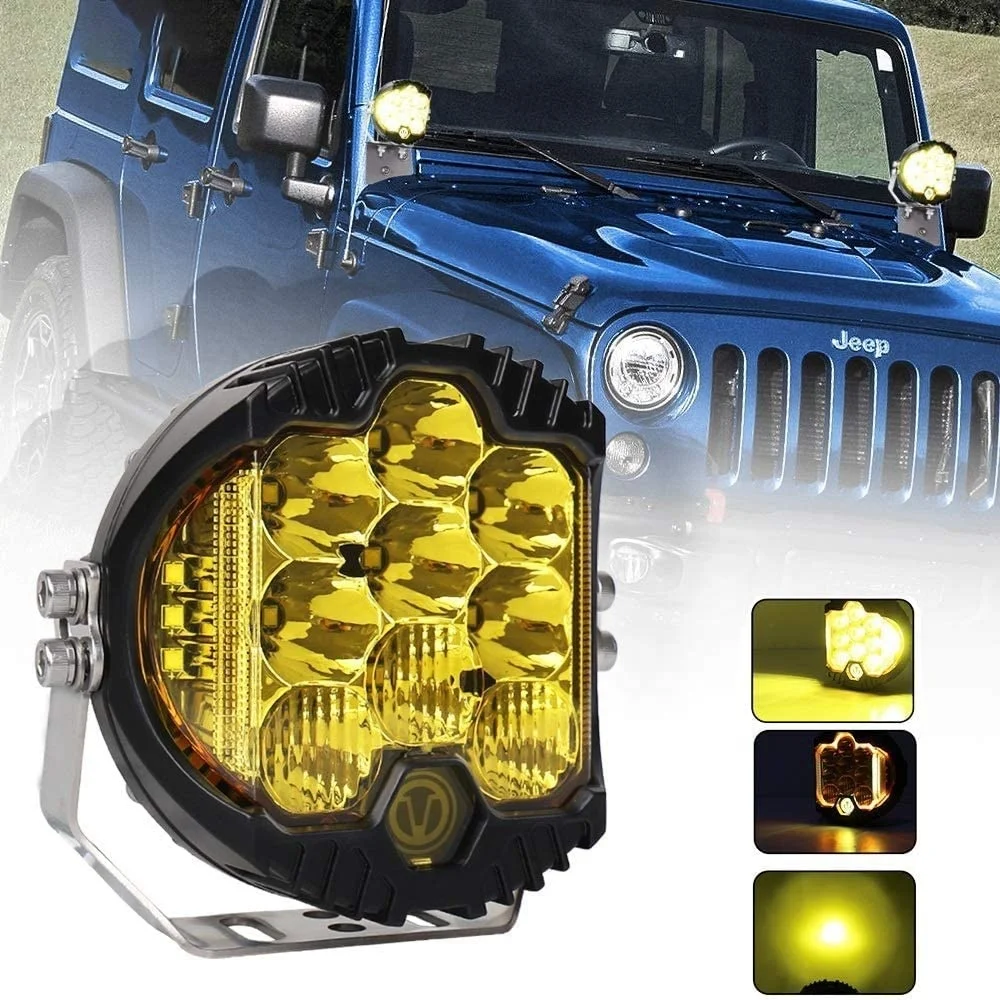
Installation of amber strobes can present challenges if not approached with careful planning. One common issue is ensuring proper wiring to prevent electrical failures. Buyers should always refer to the manufacturer's wiring diagrams and follow best practices for grounding and securing connections. Using high-quality connectors and weatherproofing measures can help mitigate corrosion and ensure longevity. Another typical challenge is the positioning of the strobe lights. Incorrect placement can drastically reduce their effectiveness. Strobes must be positioned to maximize visibility while minimizing obstruction to other vehicle functions. Conducting a thorough assessment of the vehicle’s exterior and testing different locations with temporary mounts can help identify the amber strobes best installation point. Additionally, buyers should be aware of power consumption. amber strobe lights for trucks can draw significant wattage, so it's essential to verify that the vehicle's electrical system can handle the additional load. Utilizing a dedicated circuit for the strobe lights is often recommended to prevent interference with other electronic systems in the vehicle.