EN
Strobe beacons are essential lighting devices used in emergency situations, providing high-visibility alerts to ensure safety and communication. As a B2B buyer, understanding the specifications, quality, and applications of led strobe beacon is crucial for making informed purchasing decisions. This article will guide you through evaluating suppliers, assessing quality, navigating installation challenges, and recognizing the various materials and applications associated with strobe beacons.
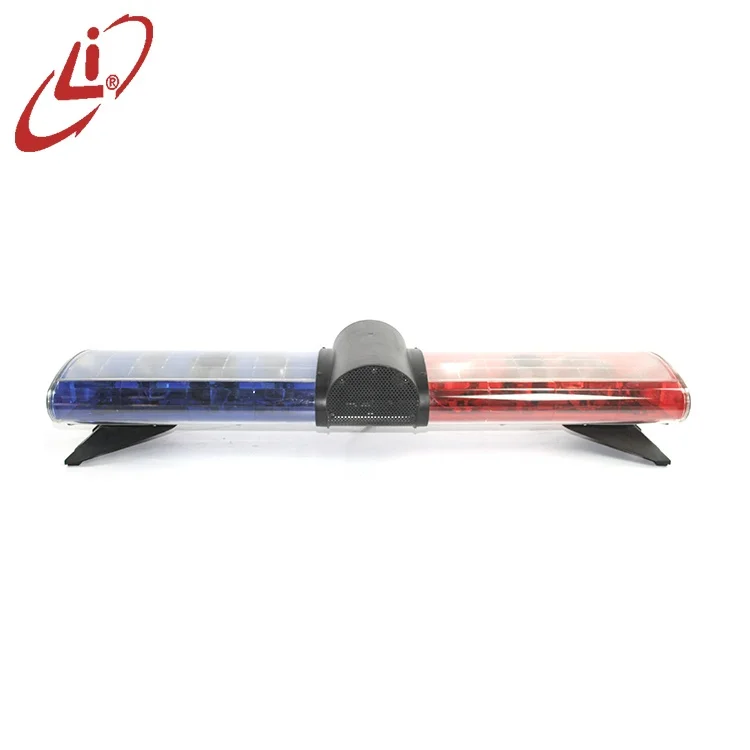
Evaluating the Quality of Strobe Beacons for Emergency Services
Quality is paramount when selecting strobe beacons, as they play a critical role in emergency response scenarios. Here are some essential quality parameters to assess:
Brightness and Visibility: Check the lumen output and visibility range. A higher lumen count typically means better visibility during daylight and adverse weather conditions. Durability: The materials used in the rotating strobe light should withstand harsh environments. Look for products made from UV-resistant plastics or aluminum housings that can resist corrosion.
Water and Dust Resistance: Ensure that the beacons are rated for IP65 or higher, which indicates they are protected against dust and can withstand water jets.
Testing Results: Request documentation of any performance tests conducted, especially those related to brightness, durability, and weather resistance.
Quality inspection should include reviewing samples under actual working conditions to ensure they meet the specifications and operational requirements.