2026 LED Warning Light Mistakes Part 4: Ignoring Extreme Weather Impacts
Emergency vehicles operate in the world's most unforgiving environments. From the scorching heat of desert highways to the freezing blizzards of northern mountains, weather is the ultimate stress test for any equipment. Yet, many buyers make the fatal mistake of evaluating LED warning lights solely in a controlled showroom, completely ignoring how they will perform in extreme weather conditions.
The Thermal Shock Trap
Extreme weather isn't just about high temperatures; it's about drastic temperature fluctuations. A lightbar sitting in a freezing winter storm (-40°C) and then suddenly blasted by high-intensity LEDs can experience severe thermal shock. Cheap plastics and poorly bonded seals will contract and expand at different rates, leading to micro-cracks. Once the seal is broken, moisture will be sucked into the housing, causing immediate electrical failure. High-quality LED warning lights are engineered with premium, weather-resistant materials that maintain their structural integrity across extreme temperature gradients.
Moisture, Ice, and Corrosion
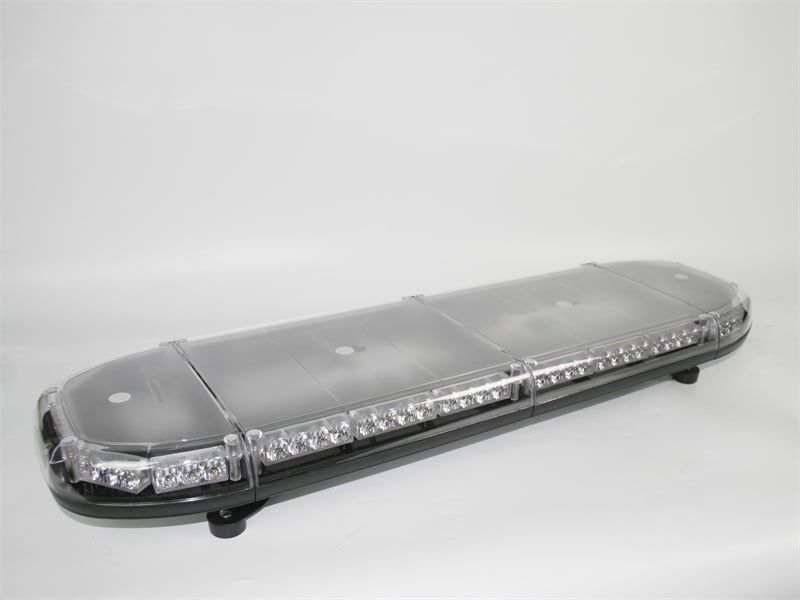
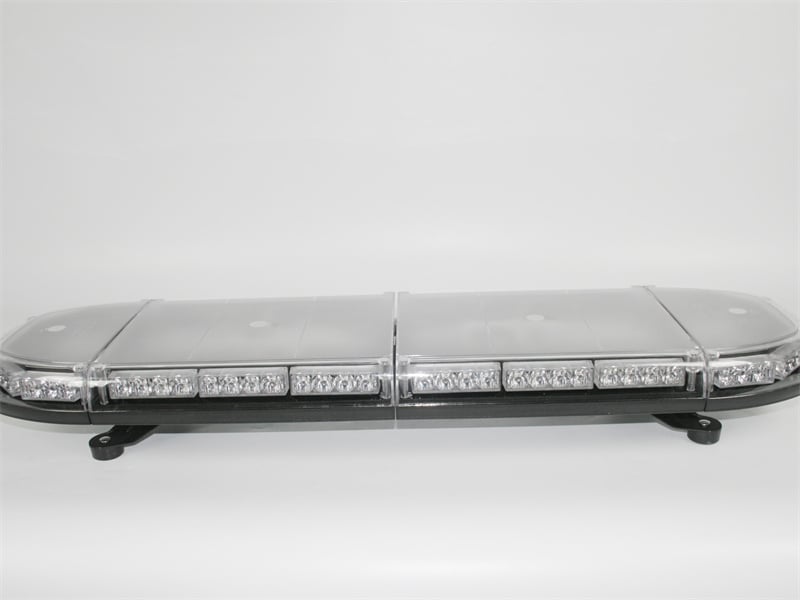
Heavy rain, sleet, and road salt create a highly corrosive environment. Low-grade LED lightbars often use substandard rubber gaskets and basic plastics that become brittle in the cold. When ice forms around the housing, it can physically pry open weak seams. Furthermore, cheap metal brackets will quickly rust and fail under road salt exposure. Professional-grade lighting systems utilize aerospace-grade aluminum housings and industrial-grade sealing to ensure that water and ice remain exactly where they belong: outside the unit.
Reliability When It Matters Most
Extreme weather is exactly when emergency responders need their equipment the most. A lightbar that fails during a blizzard or a torrential downpour is a critical safety failure. At LIYI, our LED warning lights are rigorously tested to withstand the harshest climates on Earth. We don't just build lights for sunny days; we engineer them to perform flawlessly when the weather is at its worst.

 EN
EN