In the competitive world of emergency vehicle equipment, the phrase "too good to be true" is often a costly reality. When sourcing LED warning lights, many buyers are tempted by rock-bottom prices. However, in manufacturing, margins are thin, and a drastically reduced price tag always means a compromise somewhere. At LIYI, we believe in transparency. Here is what is actually behind those suspiciously cheap LED lightbars.
Recycled Plastics vs. Engineering Grade Materials
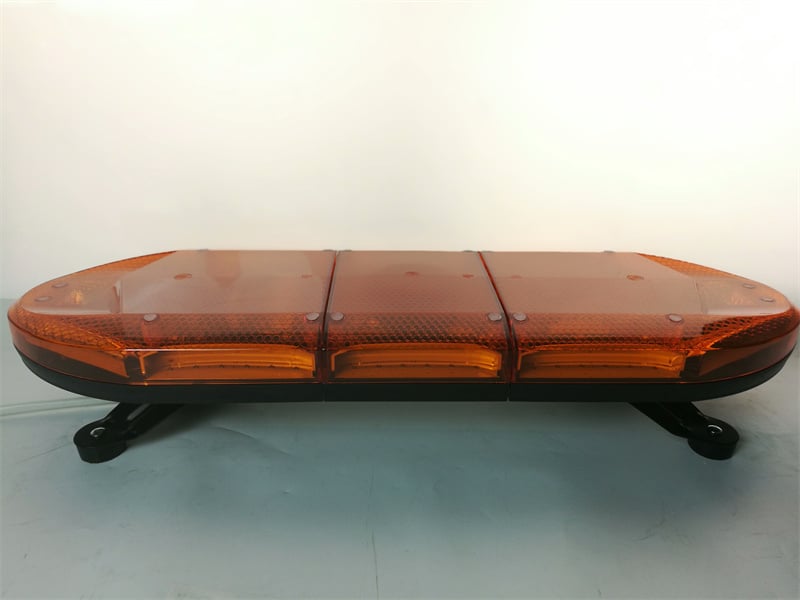
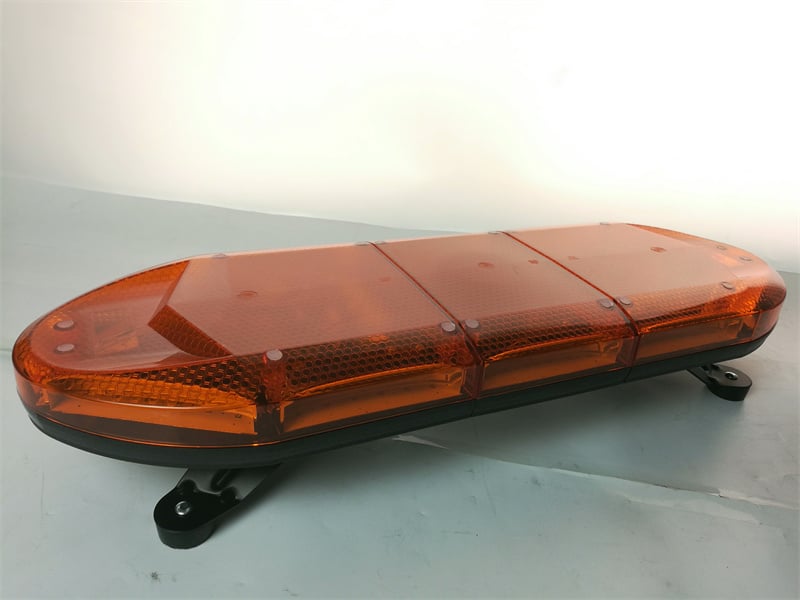
The housing of an LED lightbar is its first line of defense against extreme weather, road debris, and UV radiation. Top-tier manufacturers use high-impact ABS or UV-stabilized Polycarbonate. Unscrupulous factories cut costs by using recycled plastics (regrind). These materials are brittle, prone to cracking upon impact, and will quickly yellow or become opaque under the sun, destroying the light's optical output.
Thin Shells and Poor Sealing
To save on material costs, low-end manufacturers make the housing walls as thin as possible. This not only makes the LED warning light vulnerable to physical damage but also compromises the internal sealing. Moisture and dust will inevitably penetrate the housing, short-circuiting the PCB and ruining the LEDs. A cheap light that fails in six months is far more expensive than a premium light that lasts for years.
The Danger of Patent Infringement
Designing a high-performance, aerodynamic LED lightbar requires significant R&D investment. Cheap suppliers simply copy the designs of established brands. When you buy these counterfeit products, you aren't just risking poor quality; you are exposing your business to severe legal risks and customs seizures for patent infringement.
Invest in Reliability with LIYI
Don't let a low initial price blind you to long-term costs. Choose LIYI for LED warning lights engineered with premium materials, rigorous quality control, and original designs. Protect your investment and your reputation.

 EN
EN