Ако радите у индустрији специјалне опреме за возила, посебно у извозу упозоравајућих светла на европско тржиште, не можете избећи израз "Р65 сертификација". То није само тест квалитета производа, то је обавезан стандард у складу са упозоравајућим светлима возила у Европи и основно правило за обезбеђивање безбедности рада на путевима. Данас ћемо разбацити уље и излете сертификације Р65, њене кључне захтеве и зашто је толико важно и за произвођаче и за кориснике упозоравајућих лампа.
Р65 сертификација, пуно име ЕЕЦ Р65 Регулација, техничко је правило за "предузривачке светла возила" које је поставила ЕЕЦ. То је такође обавезно сертификацију за улазак на европско тржиште. Једноставно речено, свако упозоравајуће светло возила које се продаје у Европи или земљама које признају ЕЦЕ стандарде (као што су делови Блиског истока и Јужне Америке) мора да прође Р65 сертификацију и да има одговарајући Е-знак. У супротном, не може да прође тамоницу, или beу законски коришћен на путу.
Многи људи мешају Р65 са обичним сертификацијама квалитета производа, али су веома различити. Редовне сертификације квалитета се фокусирају на издржљивост и стабилност перформанси, док се Р65 односи на "безбедност и стандардизацију функција упозорења". На крају крајева, упозоравајућа светла на специјалним возилима (пожарнички камиони, машињари, спасилачка возила, патрулни аутомобили итд.) су директно повезана са животом радника и возача у близини, тако да морају постојати јединствени технички правила која ће их водити.
Вреди напоменути да Р65 није "једна величина за све" - има нивое. Узмите Цхецзян Лиии Сцхеуритис ЛЕД39000 серије дугих редова полицијских светла на пример, , који су међу првим добили релевантне сертификације. Његова двојна сертификација R65 нивоа 1 + нивоа 2 значи да производ не само да испуњава основне захтеве упозорења већ и достиже више стандарде у основним показатељима као што су интензитет светлости, покривеност и прилагодљивост окружењушто га чини погодним за сложеније сценарије рада.
Шта је Р65 сертификациони тест? Ови основни захтеви нису подговарани
Тестирање за сертификацију Р65 је много строже него што мислите, од оптичких перформанси до конструкционог дизајна, свака ствар је усмерена на "реалне сценарије". Ево шта је важно:
1. у вези са Оптички перформанси: 360° покривеност + прецизни светлостни сигнали
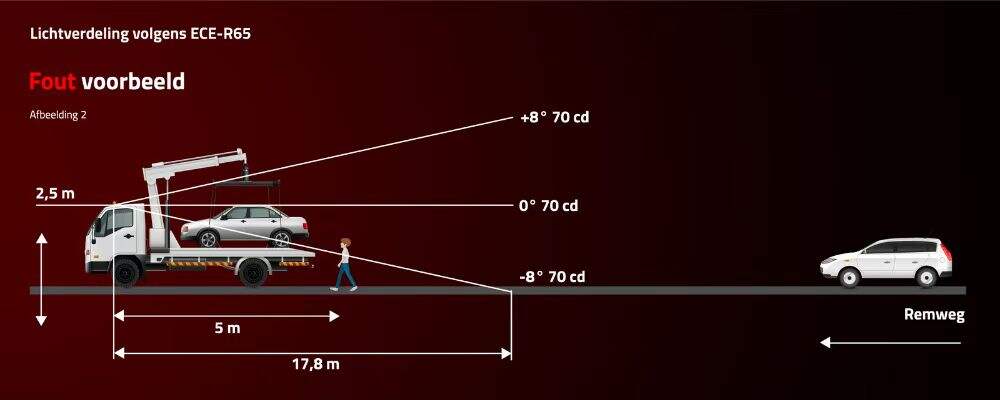
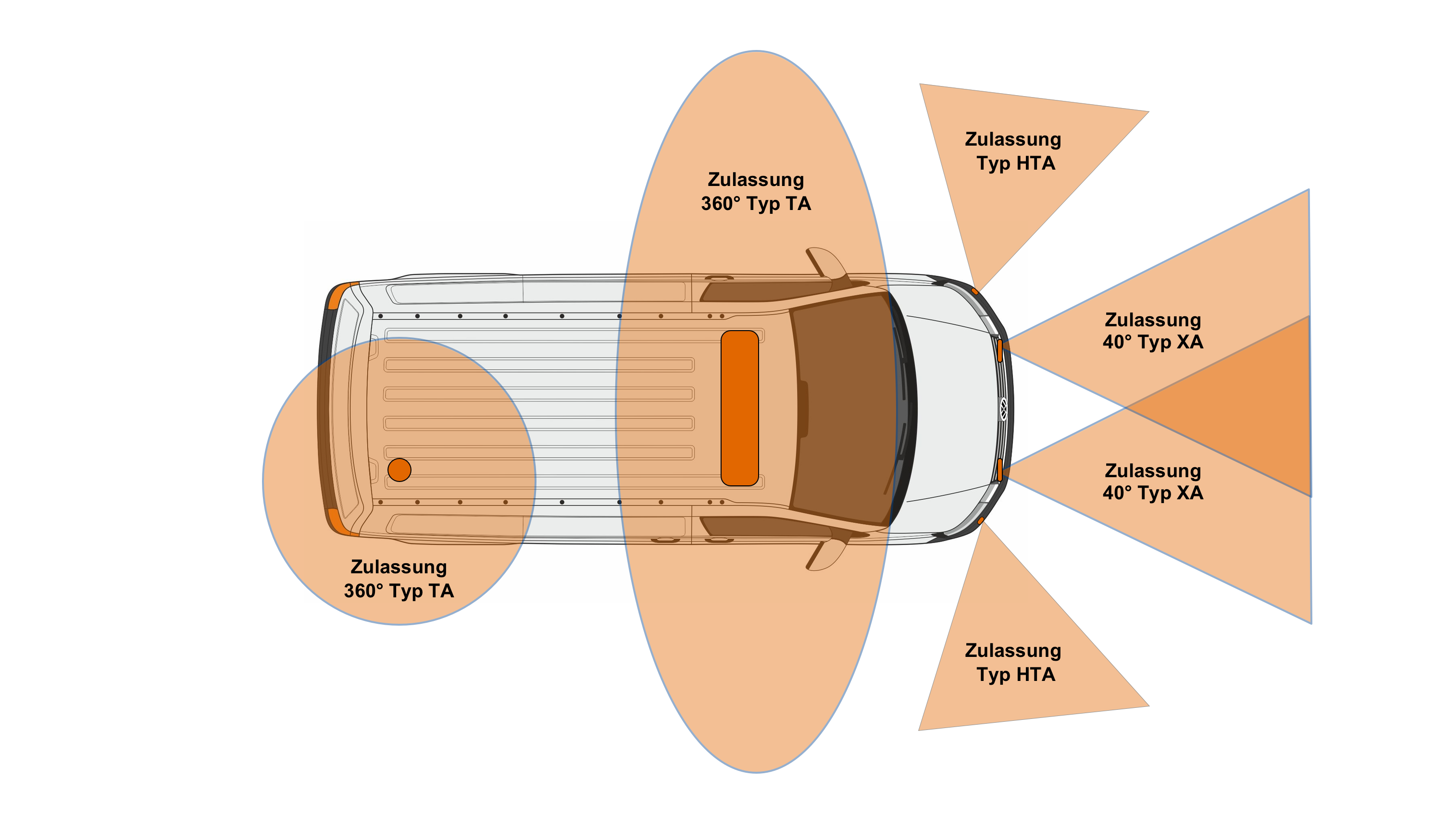
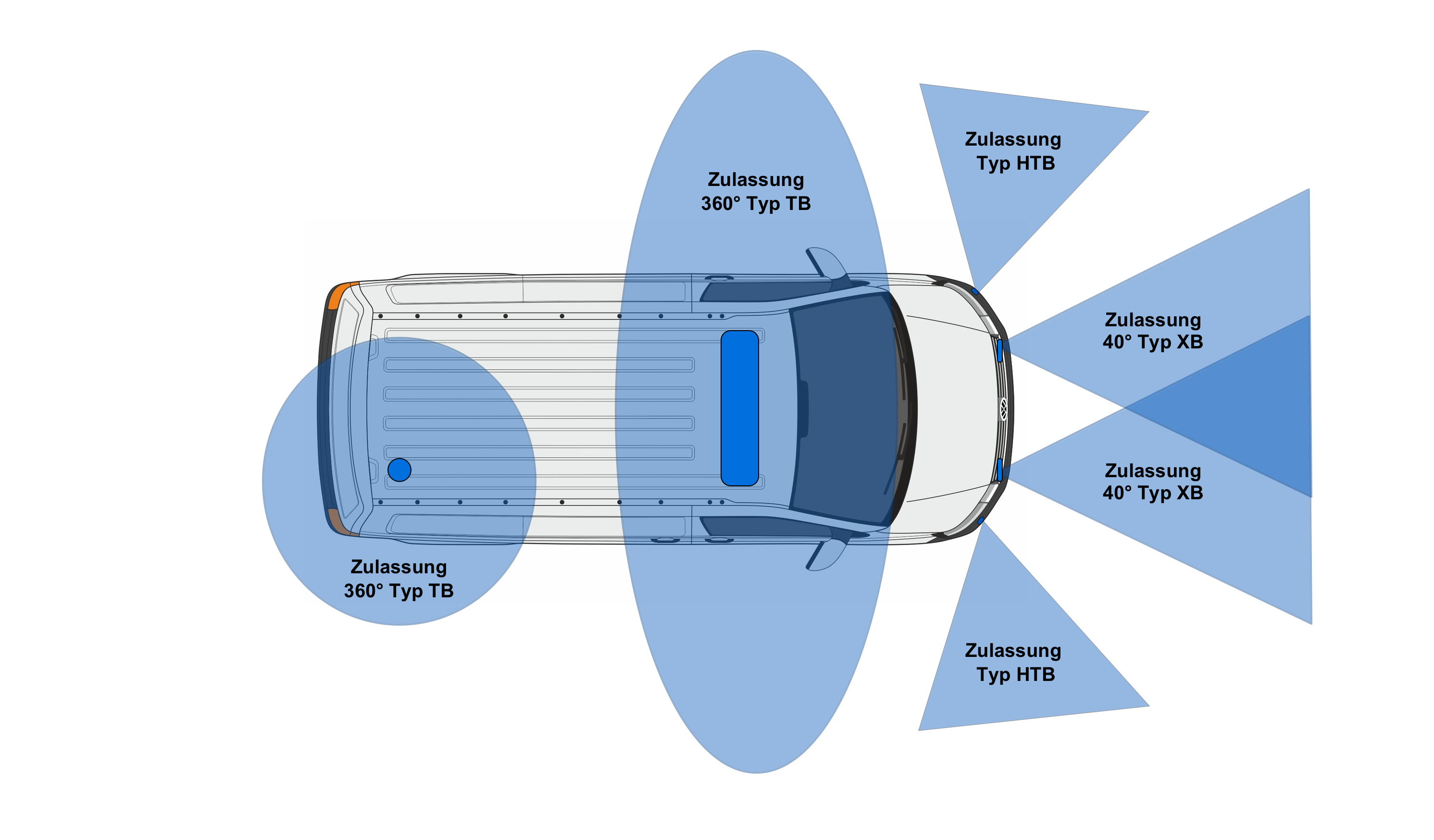
Ово је језгро Р65. Тестирање симулише стварну вожњу и радна окружења, захтевајући да упозоравајуће светла покривају 360 ° хоризонтално без слепих тачака. Интензитет светлости мора бити у одређеним границама; превише слаба и удаљена возачи не могу да је виде; превише светла и ослепљује друге. Модови мигљења (фреквенција, ритам пулса итд.) такође су регулисани како би се осигурало брзо препознавање чак и у киши, магли или јаком сунчевом светлу. Цхецхианг Лиии Сцхеакуритис пуна гама полицијских лампа за дуги ред користи распоред светла у окружном стилу и стабилан режим мигљења 24ХЗтачно да задовољи овај захтев.
2. Уколико је потребно. Прилагођивање околини: Издржавање екстремних услова
Европа има велике површине и велике климатске разлике од -40°C хладноће у северној Европи до +50°C топлоте у јужној Европи. Опасни светлац мора да ради нормално овде. Дакле, тестови за Р65 укључују строге тестове високе/ниске температуре, тестове циклуса влажне топлоте и проверке у односу на УВ отпорност и анти-агинг (да би се избегло жутовање сенка или слабило светло након дугог коришћења на отвореном). Зато светла сертификована за Р65 користе строге материјале: јапански Мицубиши увезе уљеште уљеште уљеште уљеште уљеште уљеште уљеште уљеште уљеште уљеште уљеште уљеште уљеште у Ови материјали не само да пролазе сертификационе тестове, већ и отпорују сунцу, киши, ударима и зноју у стварној употребипроширујући живот производа.
3. Уколико је потребно. Структура и инсталација: Безбедност на првом месту, добро прилагођеност
Р65 има јасна правила за нивои заштите од конструкције (водоупорна, прашноупорна), отпорност на ударе, па чак и методе инсталације. То осигурава да се светла неће опустити или пасти током вожње високом брзином или неравномерним путевима, а структурни проблеми неће оштетити ефекте упозорења. На пример, серије LED61000 и 62000 (поддршка за држење и магнетско монтаже) и ултратене серије LED63000 са ниским провлаком дизајниране су уз у виду правила монтаже R65s. Они се чврсто уклапају на различите специјалне возила без утицаја на првобитну перформансу возила.
4. Уколико је потребно. Електромагнетска компатибилност: не мешају у друге уређаје возила
То је лако занемарити, али је критично. Р65 тестира електромагнетну радијацију упозоравајућих светла када раде, не смеју да ометају навигацију, комуникацију или кочнице возила. Многи произвођачи додају Р10 сертификацију (за електромагнетну компатибилност) за двоструку заштиту. Цхецзян Лиии Сцeкуритис 39000 серија је типичан Р65 + Р10 двојно сертификовани производ.
Зашто је Р65 сертификација толико важна? То је "увереност" и за произвођаче и за кориснике
За произвођаче: Р65 је "клуч" на европско тржиштенедостатак сертификације значи да чак и велики производи не могу легално ући. Што је још важније, процес сертификације темељно прегледа Р&Д и производњу. Од дизајна, морате да се ускладите са стандардима; у производњи, потребна вам је строга контрола квалитета. На пример, компанија Zhejiang Liyi Security годишње врши ревизије са властима како би се сертификација одржала важећомод узорка сировина до поновног тестирања готових производа, без пропуста. То подстиче произвођаче да побољшају општу чврстоћу.
За кориснике: упозоравајуће светла сертификована за Р65 су као "гаранција за безбедност". Не морате се бринути о лошим ефектима упозорења, слабих трајности или отказивању у критичним тренуцима. Сваки сертификовани производ је прошао тестове треће стране и стабилно ради у сложеним условима. На пример, када машински камион ради поред аутопута или пожарникарски камион трчи на место злочина, Р65 светла осигурају брзо ухваће упозоравајућих сигнала, што минимизује ризике за безбедност.
Уобичајене неразумије о Р65 сертификацији
позиција 1: Р65 је "једнократна" ствар
Многи мисле да је сертификација трајна, али не. Р65 захтева од произвођача да одржавају производњу конзистентно. Па, погледљив произвођачи обављају годишње ревизије и проверке како би се осигурало да квалитет не опада.
позиција 2: Сви сертификати за Р65 за упозоравајуће светла су исти
Као што је поменуто, Р65 има нивоеразличити нивои означавају различите стандарде испитивања и случајеве употребе. Када купујете, бирајте на основу ваших потреба: за сложене путеве, изаберите сертификатне производе вишег нивоа за поузданије упозорења.
позиција 3: Сертификовани производи су увек добри
Сертификација је основни праг, али стварно искуство корисника зависи од детаља. На пример, два производа сертификована за Р65 могу се разликовати у дизајну распршивања топлоте, лакоћи инсталације или флексибилности прилагођавања боје. Морате да судимо на основу вашег случаја употребе (врста возила, радно окружење).
Укратко, сертификација Р65 није само "сертификат", то је комплетан систем изграђен око "безбедног упозорења". За специјална упозоравајућа светла возила, то је "пропуст" за усклађивање и "амулет" за безбедност. Када изаберете упозоравајућа светлапосебно за извоз или посао са високом потражњомпрецизно користите производе сертификоване за Р65 са текућим годишњим ревизијама. Тако се добија прави мир у уму.

 EN
EN